Dangerous Algal Blooms: What You Need to Know, at the Cary Institute in Millbrook
Scientists and state officials explain the largest bloom recorded in nearly 40 years of monitoring — and how to spot and report the next one.

Scientists and state officials explain the largest bloom recorded in nearly 40 years of monitoring — and how to spot and report the next one.
Wednesday, August 5, 7–8:30pm | Millbrook, NY | Free, in-person and live stream
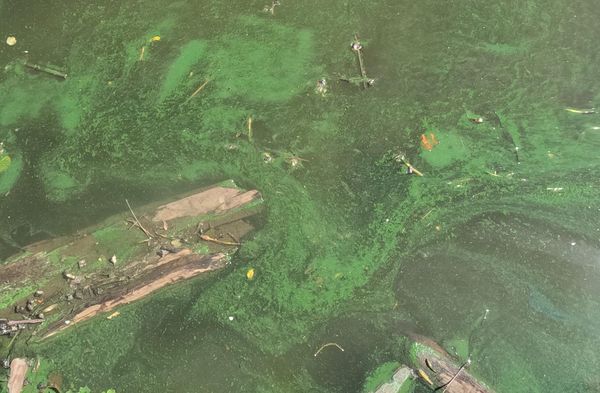
The Cary Institute of Ecosystem Studies hosts a public talk on harmful algal blooms on August 5, with a particular focus on how they behave in flowing waters like the Hudson River. The event comes a year after Cary researchers encountered an unprecedented bloom in the river while conducting unrelated food-web research—the largest bloom observed in nearly 40 years of the institute's long-term monitoring, identified as Microcystis, a cyanobacteria capable of producing toxins harmful to people, pets, and wildlife.
Speakers include Brian Duffy, Section Chief of the Monitoring and Assessment Section at the NYS Department of Environmental Conservation; Gena Gallinger, Director of Outreach and Education at the NYS Department of Health; Cary aquatic ecologist Dr. Christopher T. Solomon; and Dan Shapley, Senior Director of Advocacy, Policy and Planning at Riverkeeper, the nonprofit Cary has been partnering with to develop new monitoring methods for the river.
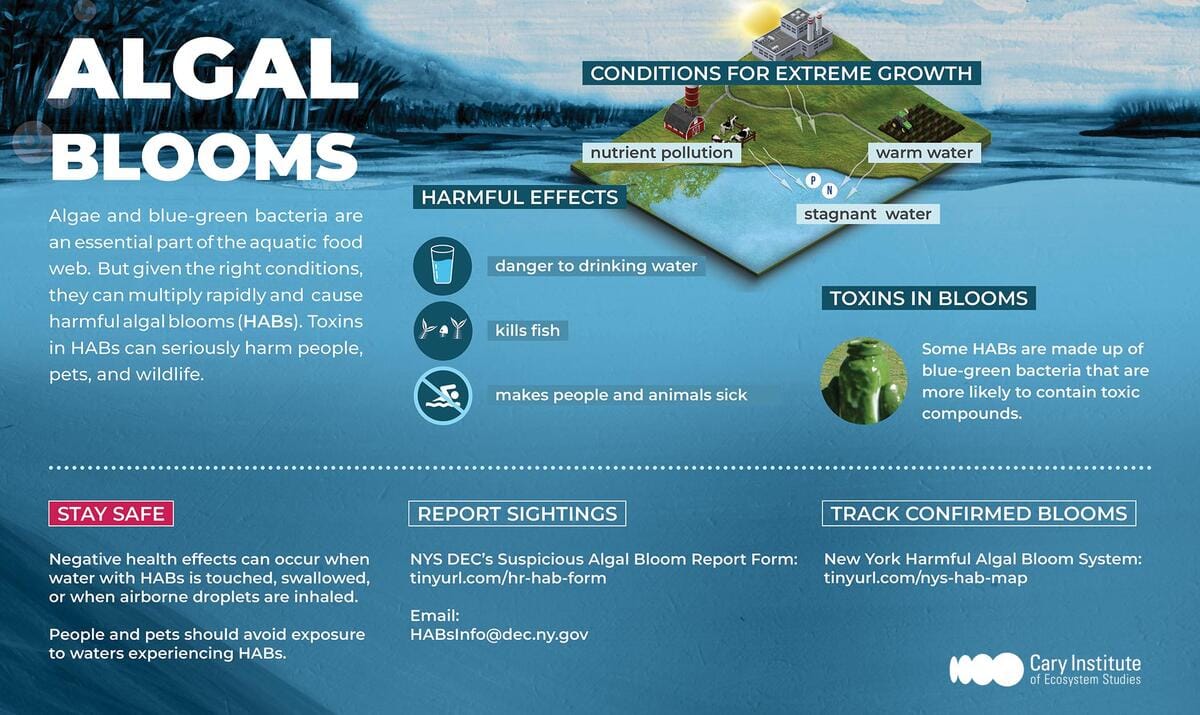
The panel will cover what algal blooms look like in moving water, the risks posed by toxin-producing varieties, current detection research, and how the public can report a bloom in any body of water. The evening runs as a series of short updates followed by a moderated Q&A.
For anyone attending in person at Cary's Lovejoy Auditorium, a poster session and reception starts at 6:15pm, featuring high school students and educators presenting summer research on the Hudson and its tributaries through Cary's Mid-Hudson Young Environmental Scientists Program and Research Experiences for Teachers Program—topics include harmful algal blooms, invasive water chestnut, and the effects of urbanization on water quality. Refreshments will be served.
Support for the lecture comes in part from Harney & Sons Fine Tea.
Cary Institute of Ecosystem Studies, 2801 Sharon Turnpike (Rte. 44), Millbrook, NY. In-person and live stream registration at eventbrite.com.