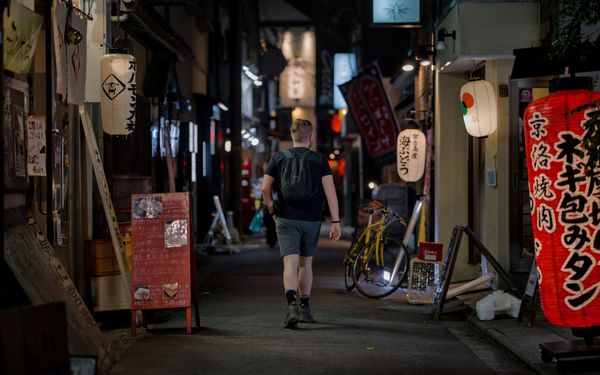
Japan offers a unique blend of ancient traditions, modern cities, scenic landscapes and distinctive local culture. While trains and buses provide convenient ways to travel between major destinations, exploring on foot can offer a more immersive experience. From wandering through historic neighbourhoods and temple districts to discovering local markets, cafés and hidden food spots, walking allows travellers to slow down and notice details that may otherwise be missed.
Choosing the right walking tours Japan experience can require some research, particularly with so many options available across the country. Factors such as tour length, destination, group size, guide experience and included activities can all influence your overall experience. Whether you are visiting Japan for the first time or returning to discover a different region, considering these factors can help you select a walking tour that matches your interests, schedule and travel style.
Consider the Destination
Japan offers a wide range of walking experiences, and each destination provides something different. Tokyo is ideal for travellers interested in contemporary culture, shopping districts, food and the contrast between modern architecture and historic neighbourhoods. Kyoto, on the other hand, is well known for temples, traditional streets, gardens and cultural landmarks.
Other popular destinations include Osaka, Nara, Hiroshima and Kanazawa, each offering unique attractions and historical experiences. Before booking, consider what you want to see and choose a tour that focuses on the areas that interest you most.
Choose a Tour Based on Your Interests
Walking tours in Japan can cover a wide variety of themes. Some focus on history and architecture, while others centre on Japanese food, traditional culture, photography, shopping or local neighbourhoods.
For example, a food-focused tour may take you through markets and small eateries, while a historical walking tour could explore temples, shrines and significant cultural sites. Choosing a tour based on your interests can make the experience more enjoyable and informative.
Check the Tour Duration and Walking Distance
Walking tours can vary significantly in length. Some may take just a couple of hours, while others can last most of the day. It is important to choose an itinerary that matches your fitness level and travel schedule.
Review the advertised walking distance, number of stops and expected pace before booking. A longer tour may provide more opportunities to explore, but a shorter option could be more comfortable if you have other activities planned for the day.
Comfortable walking shoes are also essential, particularly when exploring historic areas with uneven pavements, stairs or cobbled streets.
Research the Tour Guide
A knowledgeable guide can make a significant difference to your experience. Rather than simply pointing out landmarks, a good guide should provide useful context about Japanese history, customs, architecture and everyday life.
When comparing walking tours, look at reviews and testimonials from previous travellers. Pay attention to comments about the guide's knowledge, communication style, organisation and ability to answer questions.
Consider Group Size
Group size can influence the atmosphere of a walking tour. Smaller groups often provide a more personalised experience and make it easier to interact with the guide. Larger groups may be more affordable, but they can sometimes feel less flexible.
If you prefer a quieter and more customised experience, consider a private or small-group walking tour. Travellers who enjoy meeting other people may prefer a larger group tour.
Look at What Is Included
Before booking, check exactly what the tour price covers. Some walking tours include entrance fees, food tastings, public transport, drinks or other activities, while others only cover the guide's services.
Understanding what is included helps you compare tours accurately and avoid unexpected expenses. It is also worth checking cancellation policies, meeting locations and whether the tour operates in different weather conditions.
Think About the Season
The best walking tour in Japan can depend on the time of year you visit. Spring is popular for cherry blossoms, while autumn offers colourful foliage in many parts of the country. Summer can be hot and humid, making shorter morning or evening tours more comfortable. Winter may provide a quieter experience in some destinations, although colder temperatures can affect outdoor activities.
Choose a tour and departure time that suits the seasonal conditions during your visit.
Read Recent Reviews
Online reviews can provide valuable insight into what you can realistically expect. Look for recent feedback that mentions the organisation of the tour, accuracy of the description, guide quality, walking pace and overall experience.
Rather than relying solely on the overall rating, read several reviews to identify recurring comments. This can help you determine whether the tour matches your expectations.
Make Your Japan Experience More Memorable
Choosing the best walking tours in Japan is about finding an experience that fits your interests, schedule, fitness level and preferred way of travelling. Consider the destination, tour theme, duration, group size, guide and inclusions before making your decision.
A well-planned walking tour can offer more than a checklist of tourist attractions. It can introduce you to local stories, traditional customs, neighbourhoods and everyday experiences that help you develop a deeper appreciation for Japan. With the right tour, you can explore at a comfortable pace while discovering a different side of this fascinating destination.