Anyone who lives off a gravel road in Litchfield County knows what remote really means. The ambulance may come from two towns over, staffed by volunteers. The cell signal fades in the hollow below the house. Many of us also have a parent who lives the same way across the border, on a farm in the Eastern Townships or a lake road north of Kingston.
For that parent, a useful first stop is Life Assure's page on comparing medical alert systems for Canadian households. Life Assure is a Canadian company, and its monitoring service is available to customers in Canada only. This guide is for families whose parent lives north of the border, not for readers in Sheffield or Millerton. The country logic behind the choice, though, will feel very familiar.
What Does Rural Distance Change About a Medical Alert?
Distance changes the math of an emergency. In a village, a neighbor might hear a shout. On forty acres, nobody hears anything.
Rural emergency care has its own pressures. The Rural Health Research Gateway's emergency medical services topic gathers federally funded research on rural EMS and trauma care.
A button cannot shorten the drive from the fire hall. What it shortens is the gap before anyone knows help is needed. That gap is where rural falls turn serious, because a person can lie in a cold barn for hours.
Responders also have to find the house. The National Emergency Number Association represents 911 professionals, and its members know how often crews lose time on unmarked roads. Post a large, reflective house number at the end of your parent's driveway, visible from both directions.
Where Does Your Parent Actually Spend the Day?
Before you compare anything, map a normal day on paper. Ask your parent to walk you through it, hour by hour. Most country routines stretch far past the kitchen.
A typical map might include:
- The kitchen, bathroom and bedroom stairs.
- The woodshed, garden beds or chicken coop.
- The mailbox at the end of a long driveway.
- The pickup truck, the post office and the hardware store in the village.
- A walk on a snowmobile trail or along the lake.
Circle the places your parent goes alone. A parent who rarely leaves the house has very different needs from one who still splits wood and drives to town each morning.
Home Base Unit or Mobile Button: Which Fits Country Life?
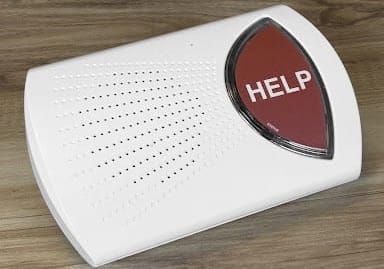
Life Assure sorts its two Medical Alert Devices by lifestyle. The Classic Home system is meant for people who spend most of their time at home. The Premium Mobile Plus is a button that gives access to help around the clock anywhere in Canada.
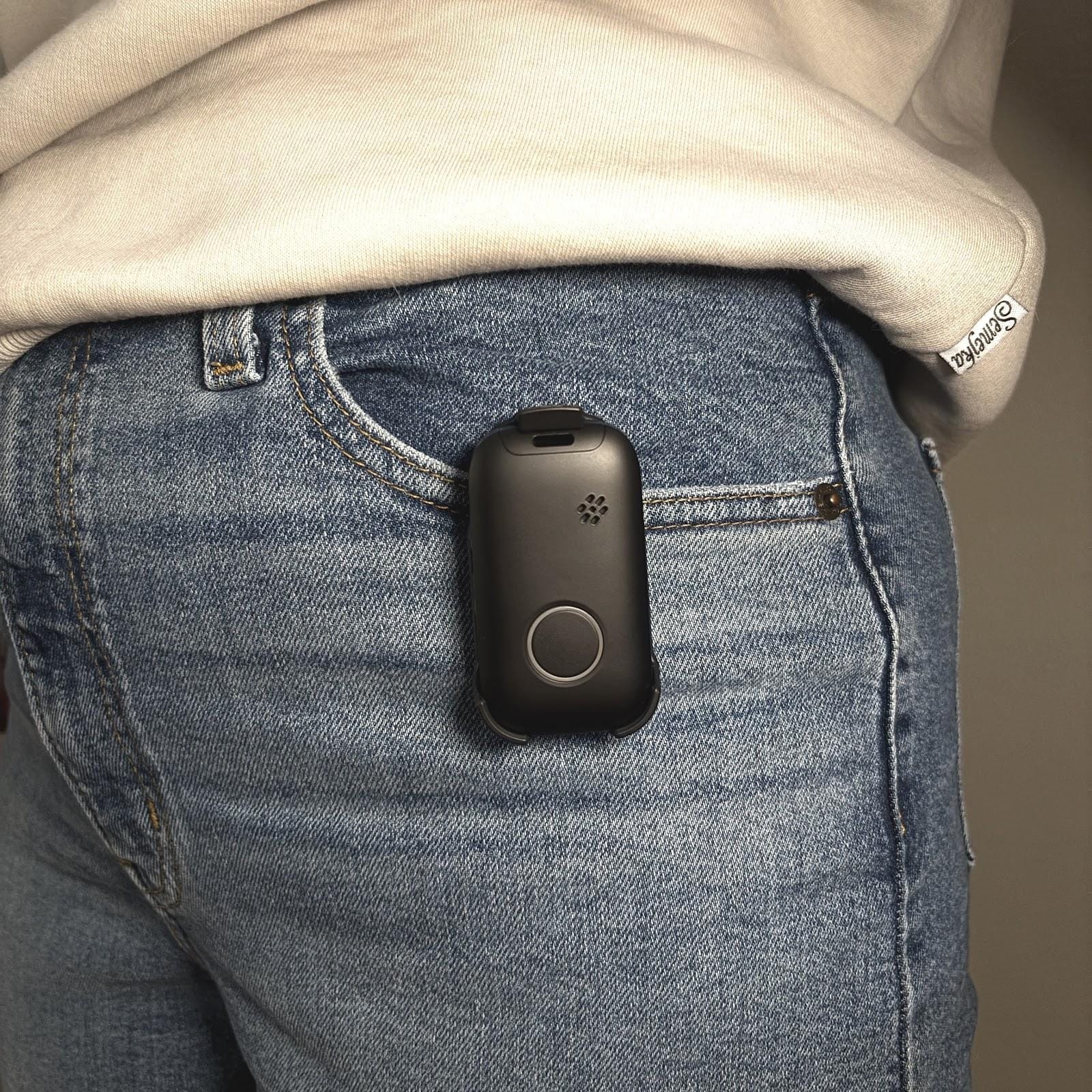
For a rural parent, the honest answer depends on the map. If the circles cluster inside the house, a home base unit may be enough. If they spread to the barn, the truck and the trails, a mobile button follows your parent where the risk actually lives.
Two country details are easy to miss. First, test the cell signal in every room, the outbuildings and the driveway before you choose a device that relies on it. Second, ask about the lock box add-on. Life Assure offers it so emergency services can get inside without damaging the property. That matters on a farmhouse where the door stays locked and the nearest spare key is miles away.
What Belongs On a Rural Comparison Checklist?
A comparison page works best with your own questions in hand. Life Assure's table lists features such as Canadian ownership, no setup fees, no contracts and a free mobile tracking app. Turn each one into a question about your parent's life.
- Does the device work where your parent spends the day, including outdoors?
- Can it be set up without a technician driving out to the farm?
- Is there a contract, or can you change course if it is not the right fit?
- Can family members follow along through a companion app?
- Can first responders get inside a locked house without breaking a door?
- Does a pendant suit your parent, or would a wristband stay on during chores?
The Life Assure pendant can be worn as a necklace or a wristband. When the button is pressed, one of its Medical Alert Specialists comes on the line to check that your parent is okay. If your parent cannot speak, the specialist still sends help.
Who Else Belongs In the Plan?
A device is one piece of a rural plan, not the whole thing. Put the nearest neighbor first on the contact list, ahead of any child who lives across a border.
Independence is usually what rural parents guard most closely. Salisbury author Chris Crowley's thoughts on aging at 92 are a good reminder that staying active is the goal, not something to engineer away. Frame the device as what lets your parent keep living on the land.
Look for local support in your parent's township, too. Here at home, the shift in Columbia County's housing safety net is a reminder that home-repair help matters to older owners. Ask your parent's municipal office what help exists for railings or ramps.
Frequently Asked Questions
What If My Parent's House Has Weak Cell Coverage?
Walk the property with a phone and note where calls drop. Share those spots with Life Assure's Seniors Advocates before ordering. They can help you match the device to the house.
Should a Farmer Wear a Pendant or a Wristband?
That depends on the chores. A pendant can swing into machinery, while a wristband stays close to the body. Let your parent try both positions during a normal morning.
Can I Be On the Contact List From the Berkshires?
Ask the Seniors Advocates whether a relative outside Canada can be listed. Either way, put someone nearby first. A neighbor ten minutes away can reach the house long before you clear the border.
Does the Device Work if My Parent Visits Us In New York?
No. The monitoring service works in Canada only. Plan another safety net for visits south, such as a charged phone and someone staying close.
What Is the Next Step This Weekend?
Call your parent and ask for that hour-by-hour map. Then open the comparison page together and match each circle to a device. The right choice usually becomes clear once the barn, the truck and the mailbox are on the table.