Nasty Northeast Ticks Carry Multiple Disease-Causing Pathogens, New Study Shows
Nearly 11 percent of ticks tested carried pathogens for BOTH Lyme disease and babesiosis.

Nearly 11 percent of ticks tested carried pathogens for BOTH Lyme disease and babesiosis.

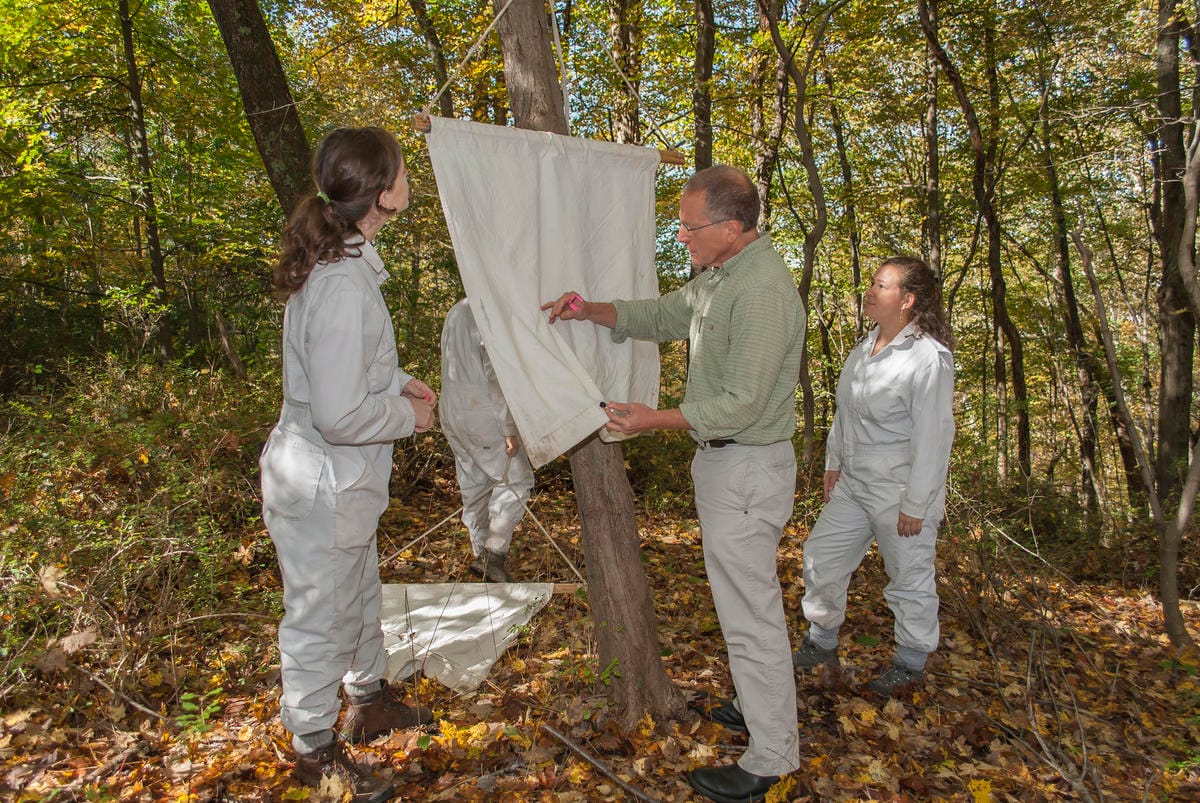
Pictured: Sampling for ticks on Cary Institute’s campus. For more than three decades, Cary researchers have been investigating how environmental factors influence Lyme and other tick-borne diseases. Credit: Dornith Doherty
The ticks of the RI region are already regarded as the GOATs (Gnarliest Of All Ticks of course) for causing the most cases of Lyme disease in the world, but it turns out these bad bugs aren’t satisfied just being a menace in one category. Now, our overachieving ticks increasingly carry more than one disease-causing pathogen, according to a new study led by scientists at the Cary Institute of Ecosystem Studies in Millbrook. The findings add a new layer of concern to the region’s already rising rates of tick-borne illness.
The research, published in the journal Ecosphere and conducted in collaboration with the SUNY Center for Vector-Borne Diseases, analyzed more than 2,000 blacklegged ticks collected between 2014 and 2022 from forested plots on the Cary Institute’s campus. The site hosts a long-running ecological monitoring project that tracks how tick populations and the pathogens they carry change over time.
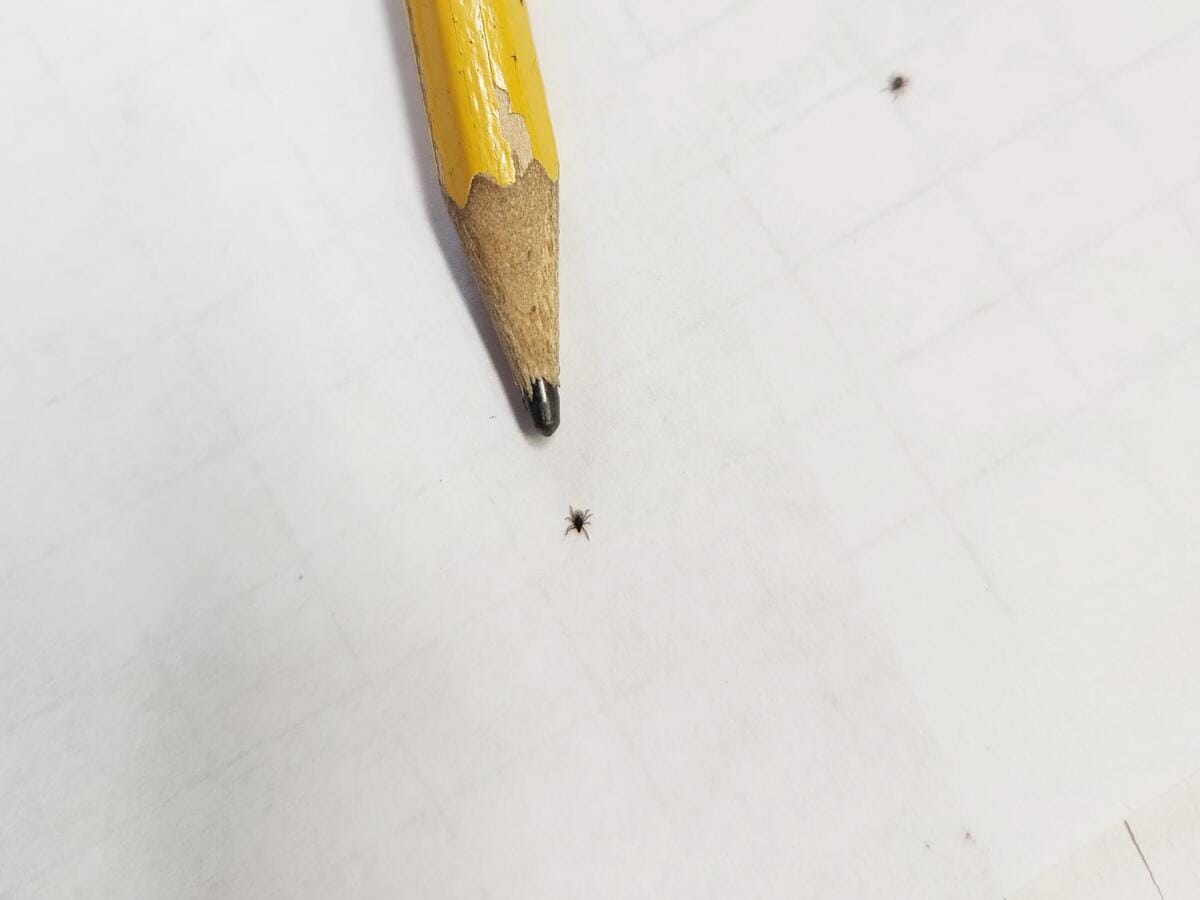
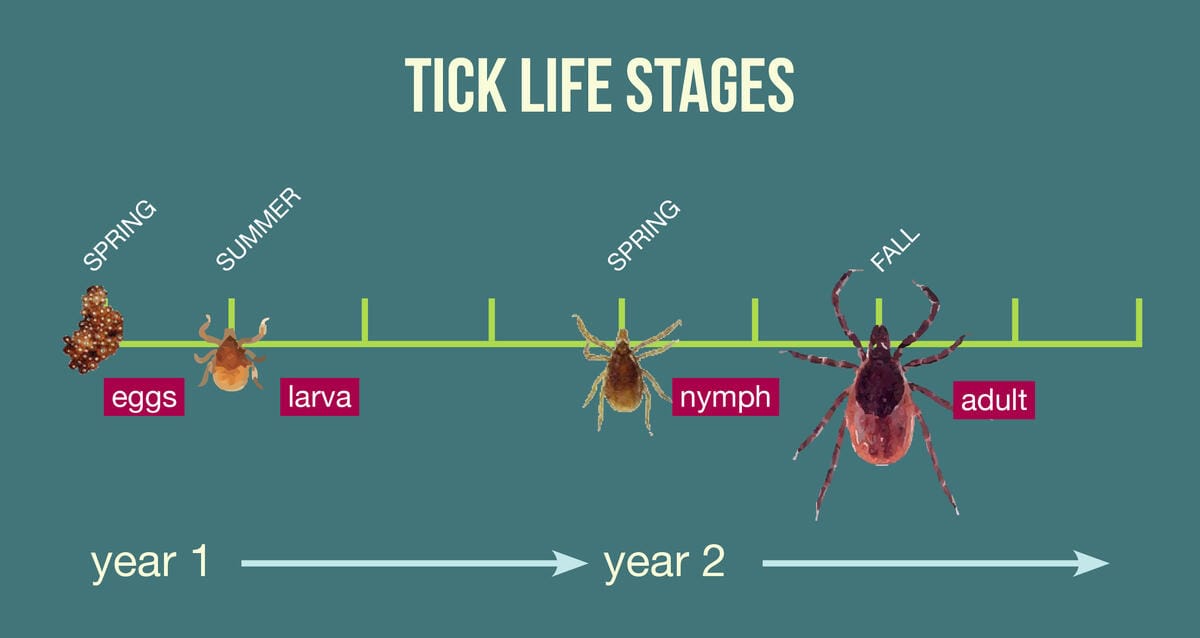
Led by Cary Institute disease ecologist Shannon LaDeau, the team screened the ticks for 16 different pathogens at the Upstate Tick Testing Laboratory. Their focus was the nymphal stage of the blacklegged tick—the tiny, poppy-seed–sized life stage most likely to transmit disease to people.
“Rates of infection tend to be even higher in adult ticks because they have more opportunities to feed and acquire pathogens,” LaDeau notes. “But they are also bigger and so easier for people to detect and remove before they spread disease.”
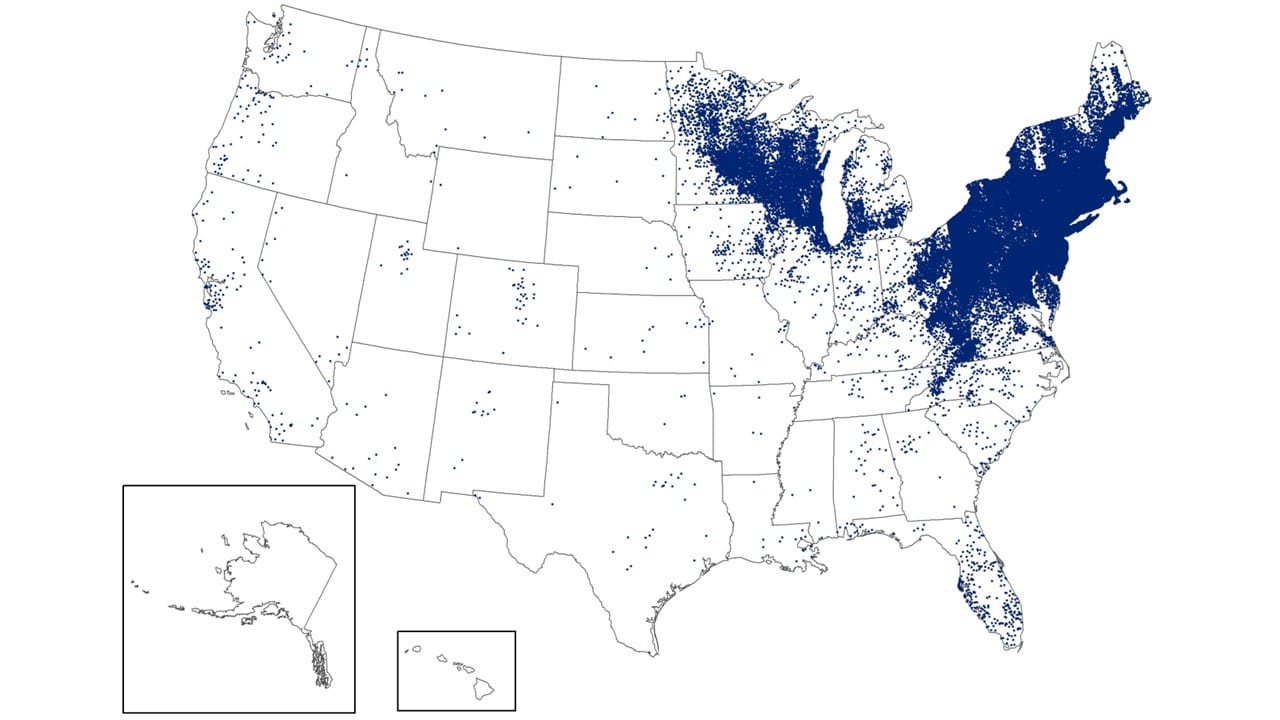
One of the study’s most striking findings is the growing number of ticks carrying more than one pathogen at the same time. Among the thousands of ticks tested over the nine-year period, roughly one in ten carried at least two disease-causing organisms.
“Overall, it’s a concerning co-infection rate that has been increasing over time,” LaDeau noted.
The most common pairing was Borrelia burgdorferi, the bacterium that causes Lyme disease, and Babesia microti, the parasite responsible for babesiosis—a malaria-like illness that attacks red blood cells. By the end of the study period, nearly 11 percent of ticks carried both pathogens together.
“In the Northeast, when someone gets sick after a tick bite, medical professionals should be testing for both pathogens to ensure proper diagnosis and treatment,” LaDeau says. Lyme disease is typically treated with antibiotics such as doxycycline, while babesiosis requires antiparasitic medications.
The study also underscores just how common disease-carrying ticks have become.
More than 38 percent of the nymphal ticks tested were capable of transmitting at least one pathogen to humans.
“The probability of being exposed to a pathogen by a single bite from a nymphal tick is approaching 40 percent,” says coauthor, and Disease Ecologist Dr. Richard Ostfeld, who has studied tick-borne diseases at the Cary Institute for decades. “That seems uncomfortably high. These ticks are so small, most people don’t even realize when one is feeding on them.”
Perhaps the most surprising result involved babesiosis. The parasite Babesia microti appeared in more than 21 percent of nymphal ticks—making it the most common pathogen detected in the study. Earlier estimates had suggested prevalence closer to 10 percent.
Babesiosis can cause fever, chills, fatigue, muscle pain, and anemia. While many infections are mild, severe cases can occur, particularly in older adults or people with compromised immune systems.
Borrelia burgdorferi, the bacterium behind Lyme disease, was detected in 19.3 percent of ticks and was the only pathogen found in every year and every site sampled. Researchers also found that the likelihood of a tick carrying Lyme disease increased steadily during the study period—rising by an average of 5.7 percent each year.
Beyond Lyme disease and babesiosis, the researchers detected several additional pathogens in the sampled ticks.
The bacterium Anaplasma phagocytophilum, which causes anaplasmosis—a flu-like illness that can develop into severe complications if untreated—was found in 5.8 percent of ticks each year. Borrelia miyamotoi, responsible for Hard Tick Relapsing Fever, appeared in about 2 percent of ticks annually.
Researchers also detected Rickettsia rickettsii and Rickettsia parkeri in 10 ticks, bacteria that can cause Rocky Mountain spotted fever and related illnesses. These pathogens are typically associated with tick species not included in the testing, making the finding notable.
In one instance, scientists identified the rare Powassan virus, which can cause inflammation of the brain, or the membranes surrounding the brain and spinal cord.

The pathogens detected in ticks from the Cary Institute’s research plots closely matched those found in ticks submitted by the public to the Upstate Tick Testing Laboratory. According to coauthor Saravanan Thangamani, that consistency suggests the study accurately reflects the risks people encounter outdoors.
“The pathogens found in ticks collected from Cary's long-term monitoring sites closely match those found in ticks that people encounter and submit to the Upstate Tick Testing Laboratory at SUNY Upstate Medical University,” Thangamani says. “This strong agreement between ecological sampling and public tick submissions underscores that the risks identified in natural environments are reflected in ticks encountered by people.”
For locals and the broader Northeast, where hiking, gardening, and time outdoors are part of daily life, the study offers a clear reminder that tick season is effectively year-round. LaDeau says preparation remains the most reliable protection.
“Healthcare workers should be on the lookout for rising co-infection risks,” she says. “And for people spending time outdoors in the Northeast, as a general rule, if the ground is not freezing, it’s a good idea to take precautions to avoid tick bites. Prevention is key.”