No Nails Needed: Andrew Jack Opens a New Chapter for the Windsor Chair in Sheffield
On Sunday, March 1, from 10am to 4pm, Windsor chairmaker Andrew Jack will throw open the doors to his new workshop and gallery at 292 South Main Street in Sheffield.

On Sunday, March 1, from 10am to 4pm, Windsor chairmaker Andrew Jack will throw open the doors to his new workshop and gallery at 292 South Main Street in Sheffield.
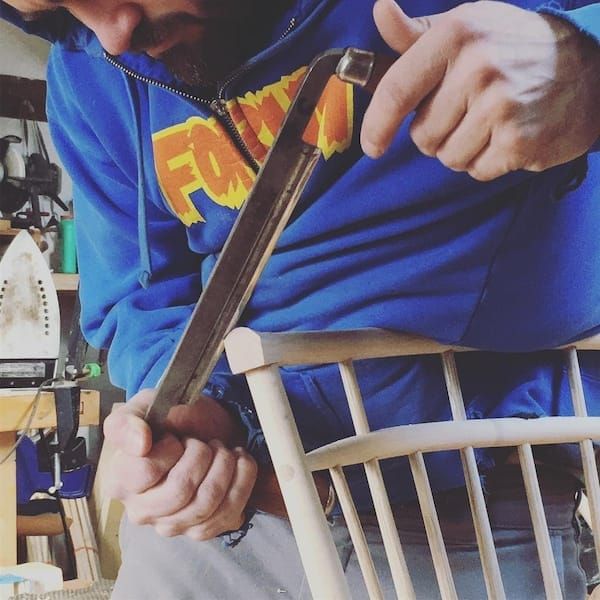
A Democratic Chair, made by Andrew Jack.
On Sunday, March 1, from 10am to 4pm, Windsor chairmaker Andrew Jack will throw open the doors to his new workshop and gallery at 292 South Main Street in Sheffield. The open house is part studio warming, part exhibition, part invitation: come sit, look closely, ask questions, and have some soup. In an era of disposable furniture and algorithmic design, Jack serves an audience that still values furniture shaped by hand, assembled without screws, and engineered through an intimate understanding of how wood bends, swells, and comes together.
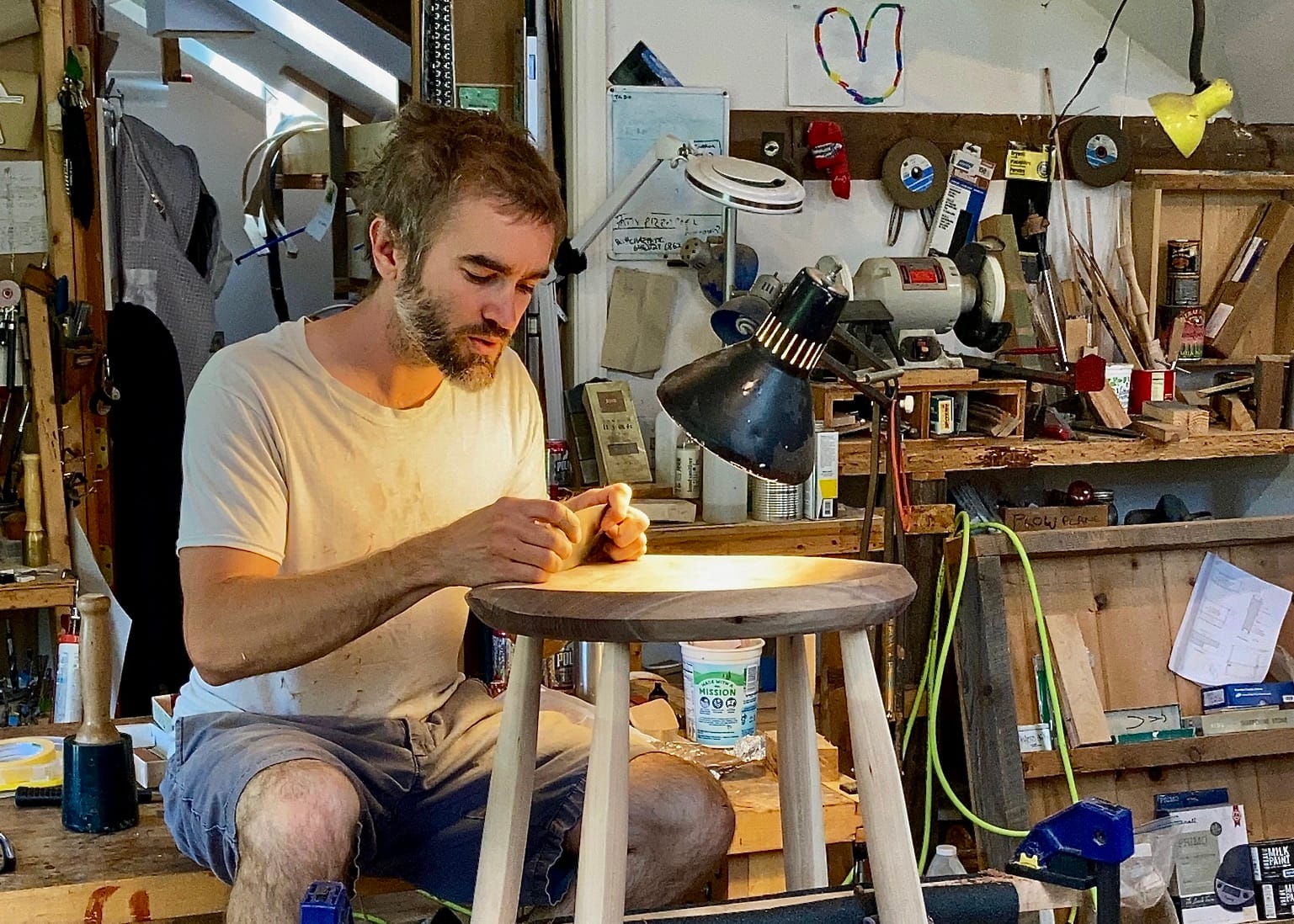
For more than a decade, Jack worked out of a barn workshop at his Cannan home, a former cabinetmaker’s space that he adapted to his needs. The move to the new sunlit storefront allows Jack a place not just to sell his work but to teach the classic craft handed down to him.
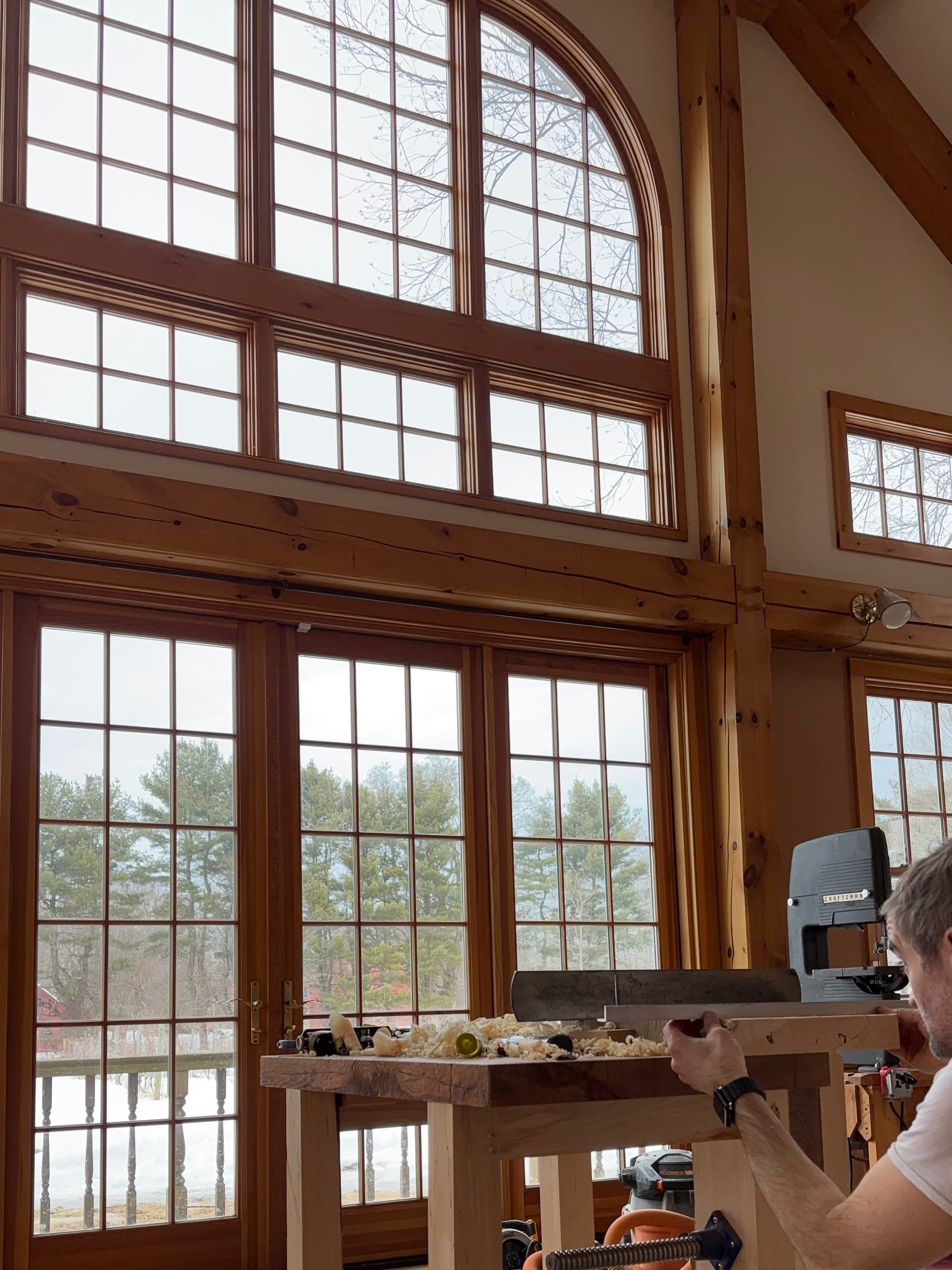
The new space is an attractive platform for his elegant work. With high ceilings and banks of windows, the shop is both a working studio and gallery, making visible the rigor behind the refinement.
Jack grew up in Kent, the son of a mill worker who made archtop windows and curved staircases. “There was always a home wood shop element to growing up,” he recalls.
And yet woodworking did not immediately call to him. He came to it in art school at SUNY Purchase, initially studying photography before gravitating toward sculpture. The key, he says, was access: a bench in the woodshop, the freedom to work through the night, and the gradual realization that furniture could exist within a sculptural context.
The pivot from art student to chairmaker came during a Furniture Society conference at Purchase just after graduation. Assigned to assist demonstrators in a pre-conference workshop, Jack found himself captivated by one of them: Tennessee chairmaker Curtis Buchanan. “I was kind of glued to what he was doing,” Jack says. “By the end of that three days, we hammered out an agreement for me to go and make a chair with him in Tennessee.”
Buchanan is widely regarded as one of the foremost contemporary interpreters of the Windsor tradition. For decades, he has championed a return to hand-tool methods and the structural intelligence of early American forms. His work—particularly his “democratic chair”—has circulated internationally and inspired craftspeople around the world. Many of Jack’s pieces are derived directly from Buchanan’s designs.
What struck Jack most was not only the elegance of Buchanan’s chairs, but the economy of means. Here was heirloom-quality work made with a small number of tools. “I saw this guy working with basically nothing,” Jack says. “I thought, that’s for me. I can really sink my teeth into it.”
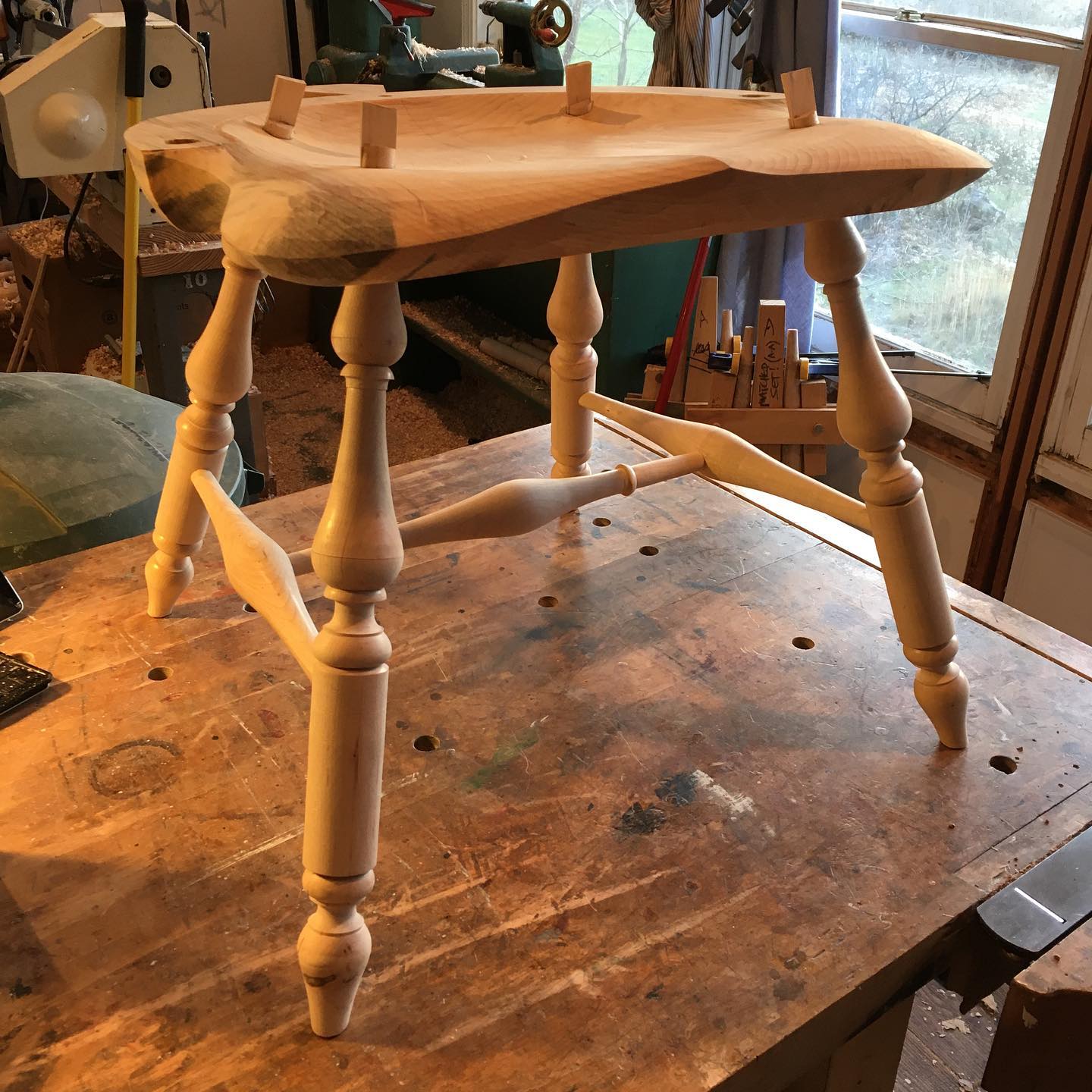
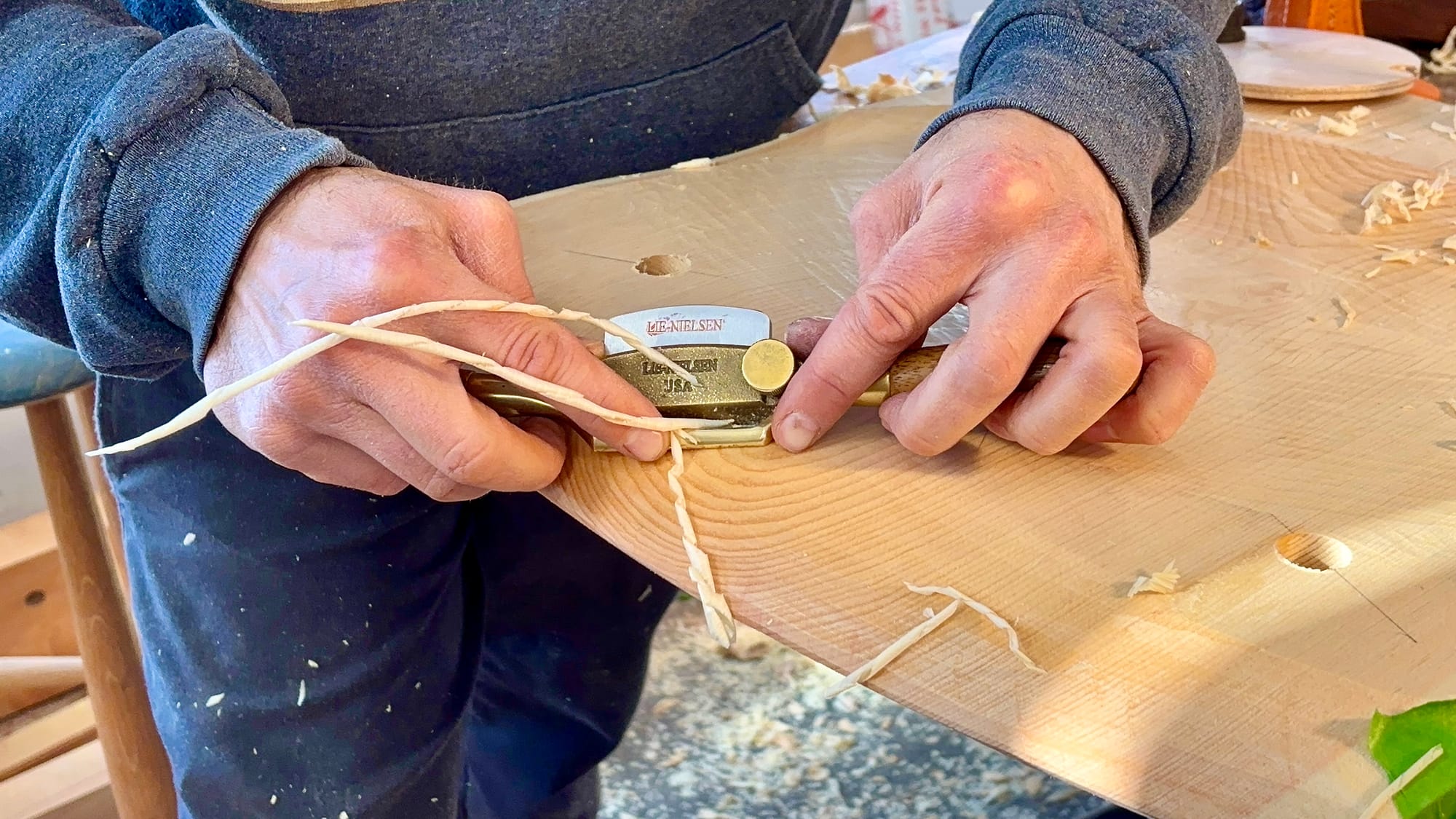
The Windsor chair, with its lathe turned legs, steam-bent bows, and slender spindles driven directly into a solid wood seat, is deceptively complex. Its engineering hinges on a central principle: the seat as a structural nucleus. “The seat is like a dividing line,” Jack explains. “It’s the epicenter for all the joinery.”
Below, the legs and stretchers lock into it; above, the spindles and arms rise from it. Every angle of tension fit connection is drilled by eye.
The joinery relies on a differential in moisture content between the components when they come together—a traditional technique that allows parts to seize and tighten as their humidity equalizes.
In practice, Jack sometimes uses a bit of glue as “insurance,” but there are no screws, nails, or metal fasteners. The strength resides in a nuanced understanding of wood’s behavior over time.
If the architecture of a Windsor chair is disciplined, its surface can be expressive. Jack’s work remains rooted in traditional forms, but with subtle inflections—slight elongations, sexy curves, variations in spindle ornamentation. “I’ve used traditional forms as a jumping off point,” he says, “developing the hand skills to a point where designing around the basic construction model is fluid now.”
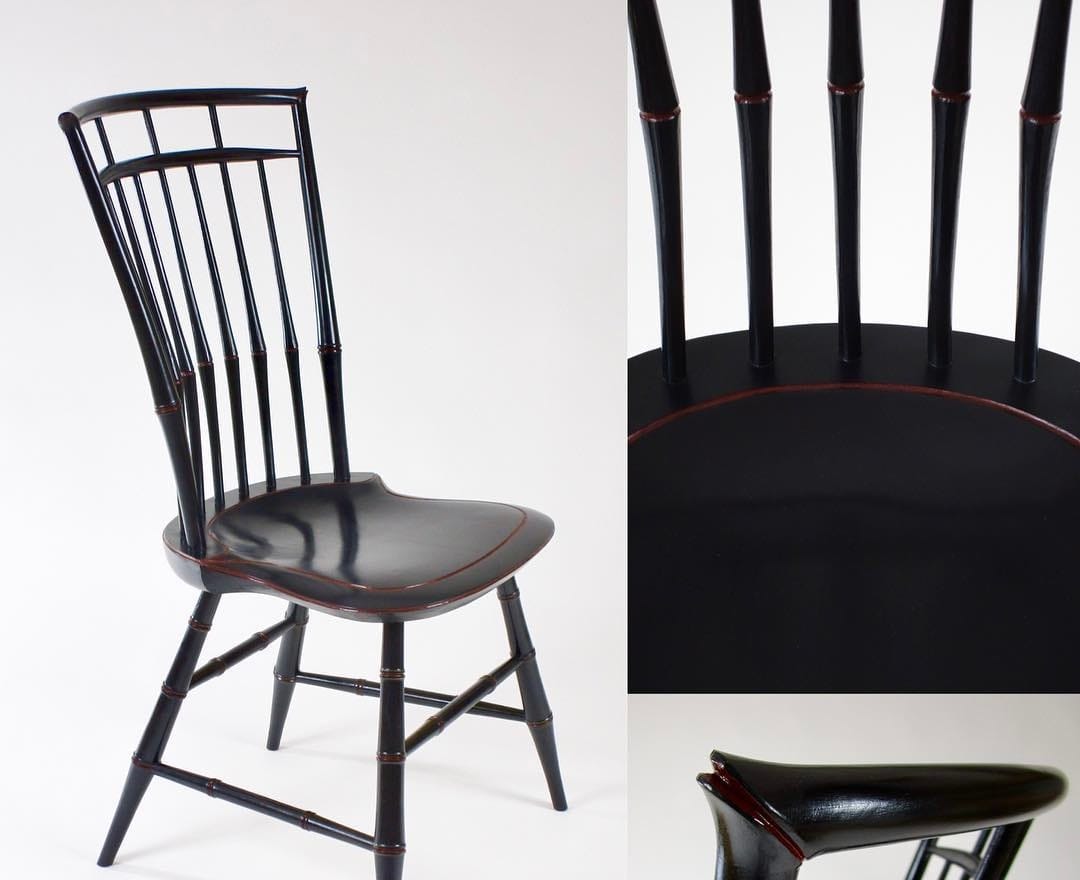
One of the most technically demanding pieces in his repertoire is the Birdcage Windsor, distinguished by a constellation of steam-bent spindles that rise and visually interact in space. “There’s 11 pieces that are steam bent,” Jack notes, each required to meet with exacting precision.
Because the mortises are drilled freehand and each bend can emerge slightly differently from the form, the assembly demands intense focus. The chair, he says, keeps him honest.
Buchanan’s influence is explicit in certain designs, including the Democratic chair, named for its accessibility. The idea, Jack explains, was to create “a design that can be produced without heavy investment.”
For Buchanan and now Jack, this is both philosophical and practical: a way of keeping the craft portable and teachable. Now, as Buchanan slows down he is referring prospective clients and students to Jack. There is a direct lineage from centuries of the chairmaking craft to the new showroom.
For Jack, teaching is an imperative part of his work, as fewer and fewer people learn the specific skills for constructing a Windsor. Moving into the Sheffield storefront was, in part, a strategic decision to attract more students. Teaching also makes practical sense.“If I can get two students in here for a six-day class, that pays the rent,” he says with a laugh. In life, like chairmaking, form must follow function.
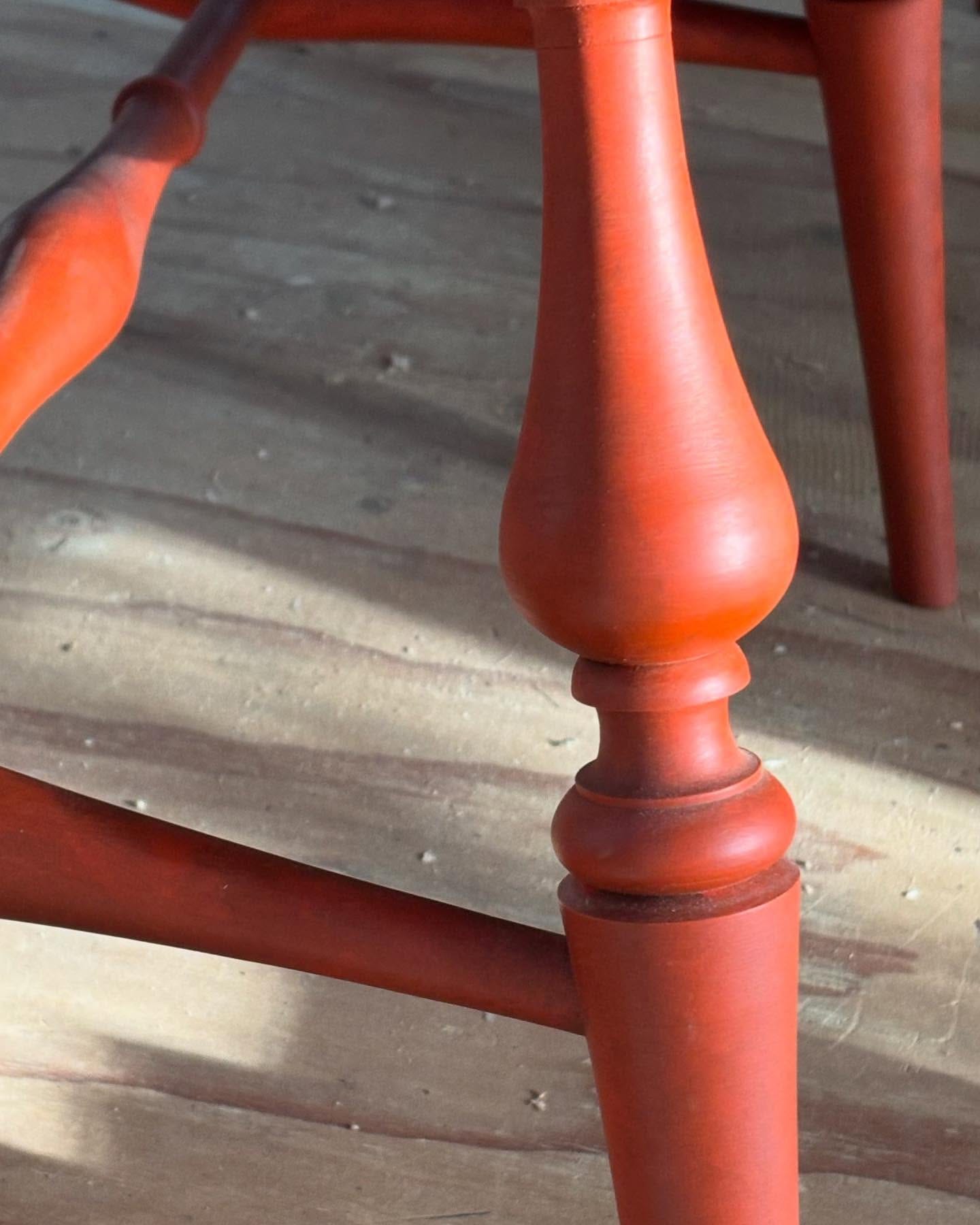
But the deeper motivation lies in transmitting to the next builder the logic of the joints, the choreography of hand skills, and patience. Jack says what he’s passing down is less about preserving a static form than about honoring a system. “The main obligation I feel right now is to work within this sort of basic architecture,” he says. Once the structural integrity is assured, design becomes a conversation: how far can the lines be pushed without compromising strength? Where can a “swoop” introduce contemporary ideas?
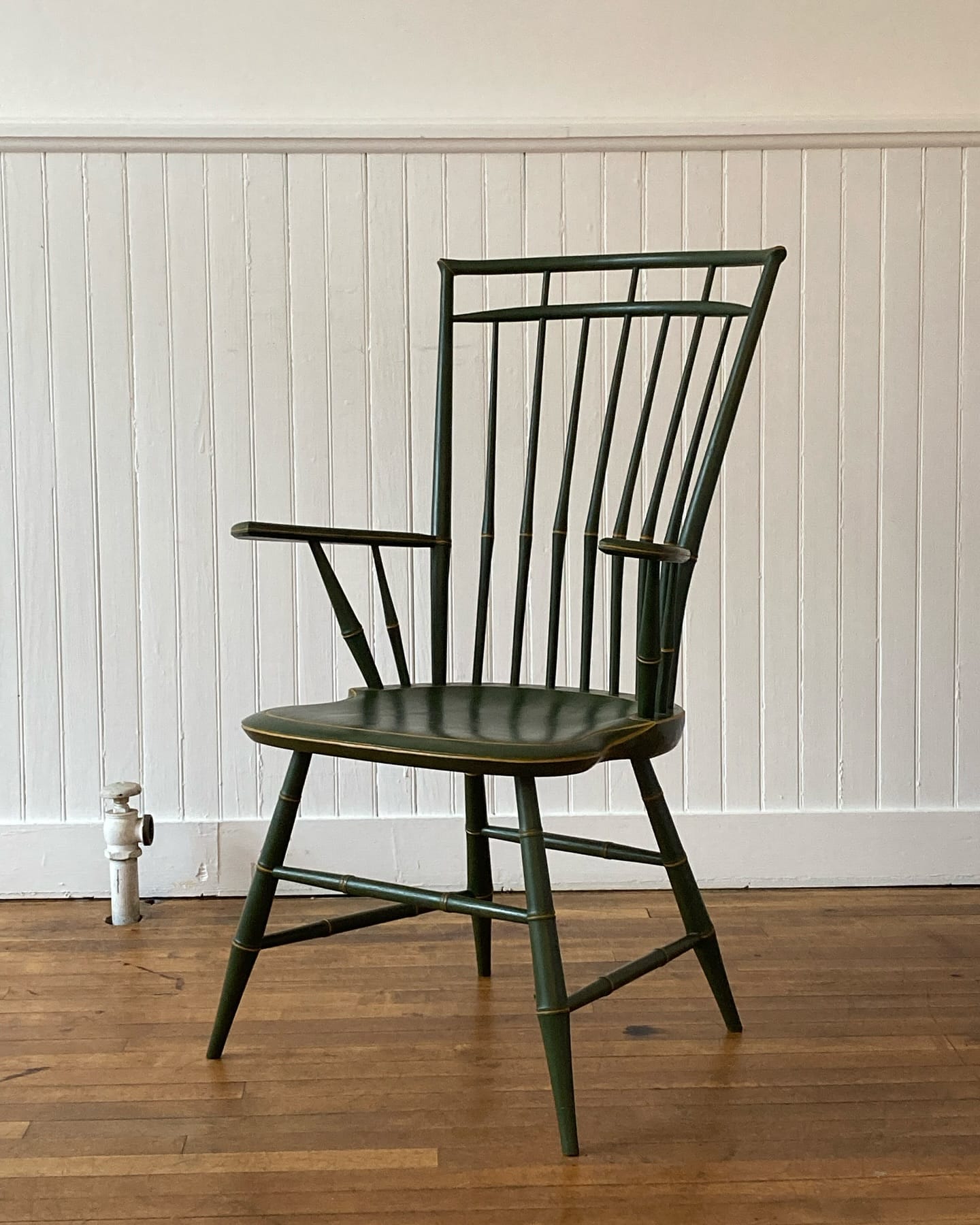
For patrons, the result is furniture that feels historically grounded yet relevant. A dark green birdcage armchair reads as sculptural silhouette as much as seating. The paint adds depth and a sense of completion, though it also extends production time. A labor-intensive chair may require roughly a week of hands-on work before finishing, with turnaround varying depending on commissions and curing times.
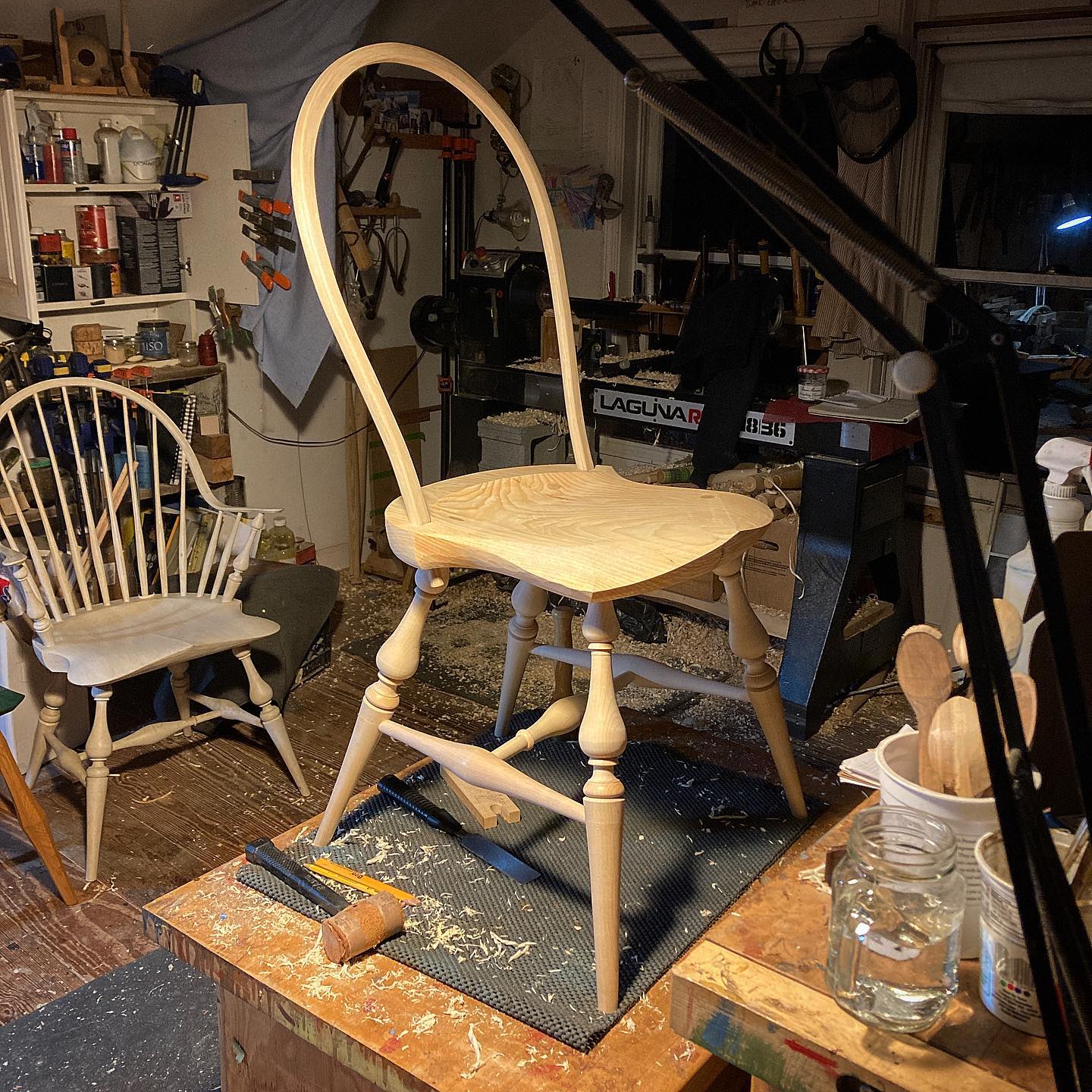
The open house offers a chance to see (and purchase) completed work as well as see chairs and stools in different stages of completion. Windsor chairs are meant to be sat in. Their comfort derives from hand plained seats, the rake and splay of legs, the give of slender spindles.
On Sunday, Jack offers an invitation to sit down, look closely, and consider the craftsmanship or a truly well built chair.