"The world of mycology and the mycelial network really connects all plants," says Cassandra Purdy, CEO and founder of Sweetgrass Botanicals (a cannabis dispensary and wellness shop in Lee) and the organizer behind the Berkshire Mushroom Festival. "We now know that trees communicate with each other via mycelium. It is sort of the original internet.” 

The festival runs August 22 and 23 at Dewey Hall in Sheffield and, for the first time, is open to all ages. Purdy started the event two years ago in the parking lot of her dispensary, under a rented tent that flooded nearly every time, restricted to customers 21 and over.  Last year she partnered with Daniel Shankin, founder of the psychedelic coaching practice Tam Integration, who relocated to Great Barrington during the pandemic.

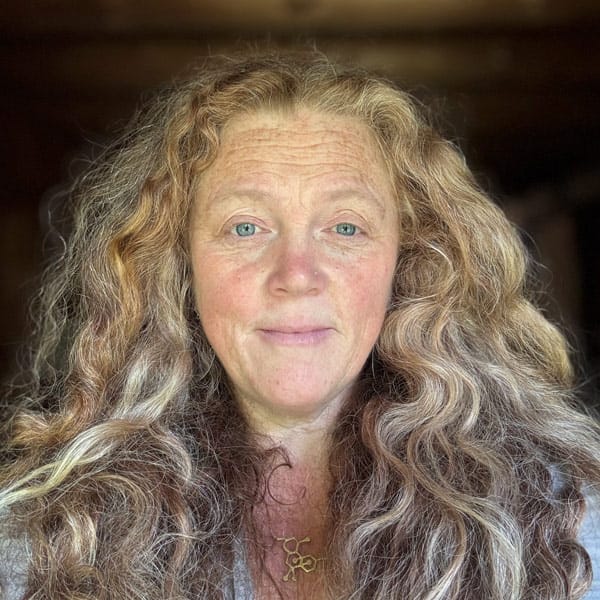
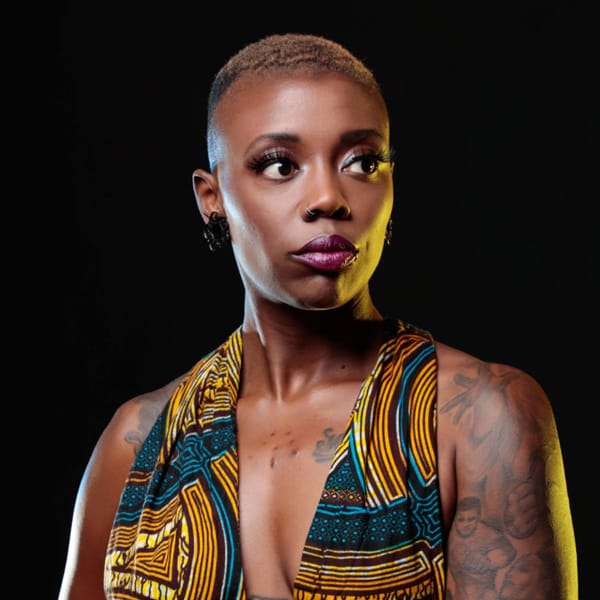
Cassandra Purdy, CEO and award winning product developer of Sweetgrass Botanicals Dispensary.

“The soil health and the fruiting bodies of mycelium are a major gift on this planet, and it's an incredibly interesting thing to know about,” Purdy says. “I can't think of many other subjects that cover such a vast array of interests. Art and craft, wild food, wild medicine, spiritual journeying. It's just a massively interesting subject, and we are blessed to have all these people around us who know about it."

Purdy's own path to starting the festival runs through more than three decades in the plant medicine world—as a book translator and editor for a publishing house focused on shamanism and entheogens, and as a participant in ceremonies and retreats in India, Mexico, and Europe, long before Sweetgrass Botanicals existed. That background shapes how she talks about the festival's split personality: half foraging and cultivation, half the more explicitly psychedelic and therapeutic end of mycology. "There're really big names in the world of mycology attending, and speaking here," she says.

Chris Kilham, this year's headliner, has taught ethnobotany at UMass Amherst since 2000, holds the title "Explorer in Residence," and has spent three decades researching medicinal plants in more than 40 countries with his wife, the artist and activist Zoe Helene. CNN has called him "the Indiana Jones of natural medicine." Known as the Medicine Hunter, he keynoted last year's festival and returns to speak on entheogens and psychedelics. 

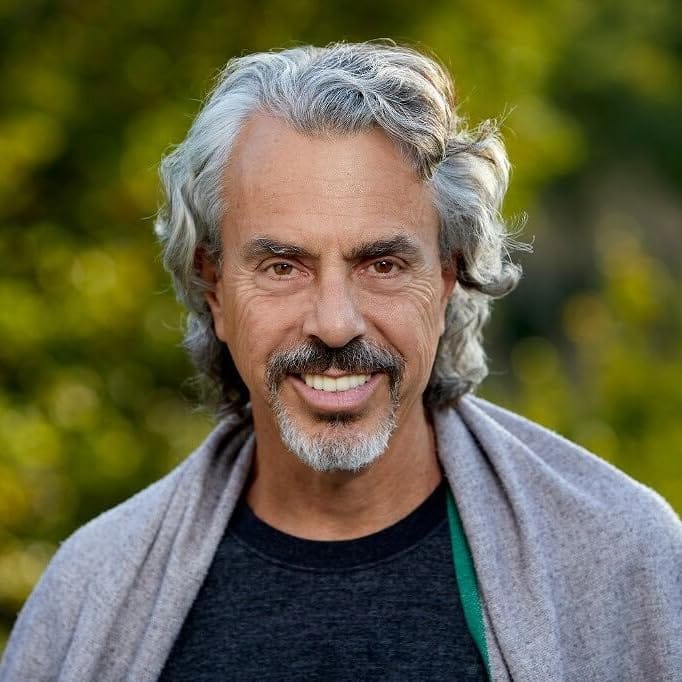
Chris Kilham is a medicine hunter, author, yogi and global explorer. He works with indigenous people in many countries, helping to develop botanical trade. He has written sixteen published books.

On the identification and foraging side is Luke Sarrantonio, a Hudson Valley mycologist who runs Mycophilic and Eat Flowers Farm in Accord, New York, and founded the annual For the Love of Fungi festival, held in the Hudson Valley. He also leads walks across Dutchess, Ulster, Catskill, and Berkshire counties. Spencer Lord, who founded Oracle Mushroom Co. in South Kent, Connecticut, with a biochemistry background, will talk about running a commercial cultivation operation. 

And a speaker who goes by Amanita Dreamer—who has said publicly that the Amanita muscaria mushroom helped her out of a decade of panic attacks and benzodiazepine dependence—will speak specifically on that species, the classic red-and-white toadstool. Purdy is careful with her language here: Amanita muscaria is "poisonous but considered an important psychedelic," used historically in careful, heavily diluted microdoses, and "not to be toyed with."

That caution extends to psilocybin, the compound in what most people think of as "magic mushrooms." It does grow wild in New England, Purdy confirms, but she's steering that conversation toward the festival's cultivation talks rather than its foraging walks. "A poisoning could feel like a psychedelic trip until it stops," she says, and misidentifying a wild mushroom isn't a risk she wants beginners taking on her festival's advice. 

On the therapeutic side, Beth Weinstein, a business coach who hosts the podcast “Medicine for These Times,” will speak on integrating psychedelic insight into professional life—part of a track Purdy says has grown alongside a wider culture of people treating psychedelic experiences as something to make sense of, not just endure.

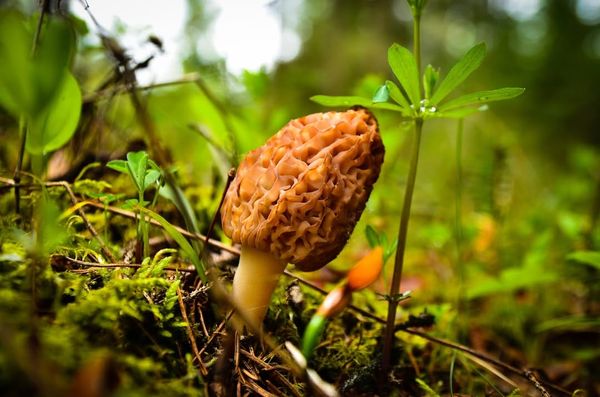
When it comes to sourcing edible and medicinal mushrooms Purdy has a running list of what's actually growing here. Chicken of the woods, with its unmistakable salmon-orange color, is one of the easiest wild mushrooms to identify with real confidence. Morels, which surface briefly each spring, are her personal favorite: "so precious, and so rare, and delicious." Reishi, prized for centuries in traditional Chinese medicine, and chaga, a knotty black growth she calls "a powerful anti-cancer medicine" but notoriously hard to spot, both turn up throughout local woods. 

Imani Turnbull-Brown is a Navy veteran, certified personal trainer, nutritional coach, and shamanic practitioner with deep roots in ancestral healing. As the founder of the Entheogen Melanin Collective, she is passionate about reclaiming plant medicine as a tool for Black wellness, empowerment, and liberation.

This year, a panel on “mycoremediation,” the use of fungi like oyster mushrooms to break down oil spills and help restore soil at sites too contaminated for other cleanup methods will take place as well.

Being open to all ages also means a lighter slate for kids and families this year, including craft activities and workshops dyeing fabric and yarn with mushroom-derived pigments. But Purdy keeps circling back to the same idea: that the festival's real product isn't any single panel, but the community of likeminded folks it’s produced. A Berkshire Psychedelic Society meetup, born out of the festival's audience, now gathers monthly at her dispensary, drawing writers, researchers, and therapists alongside the merely curious. "The festival has been a great community-building thing," Purdy says. "Just like the mycelial network itself!"

Tickets and the full schedule are available at berkshiremushroom.com. Dewey Hall is located at 91 Main Street in Sheffield, Massachusetts.

Share this post

Written by

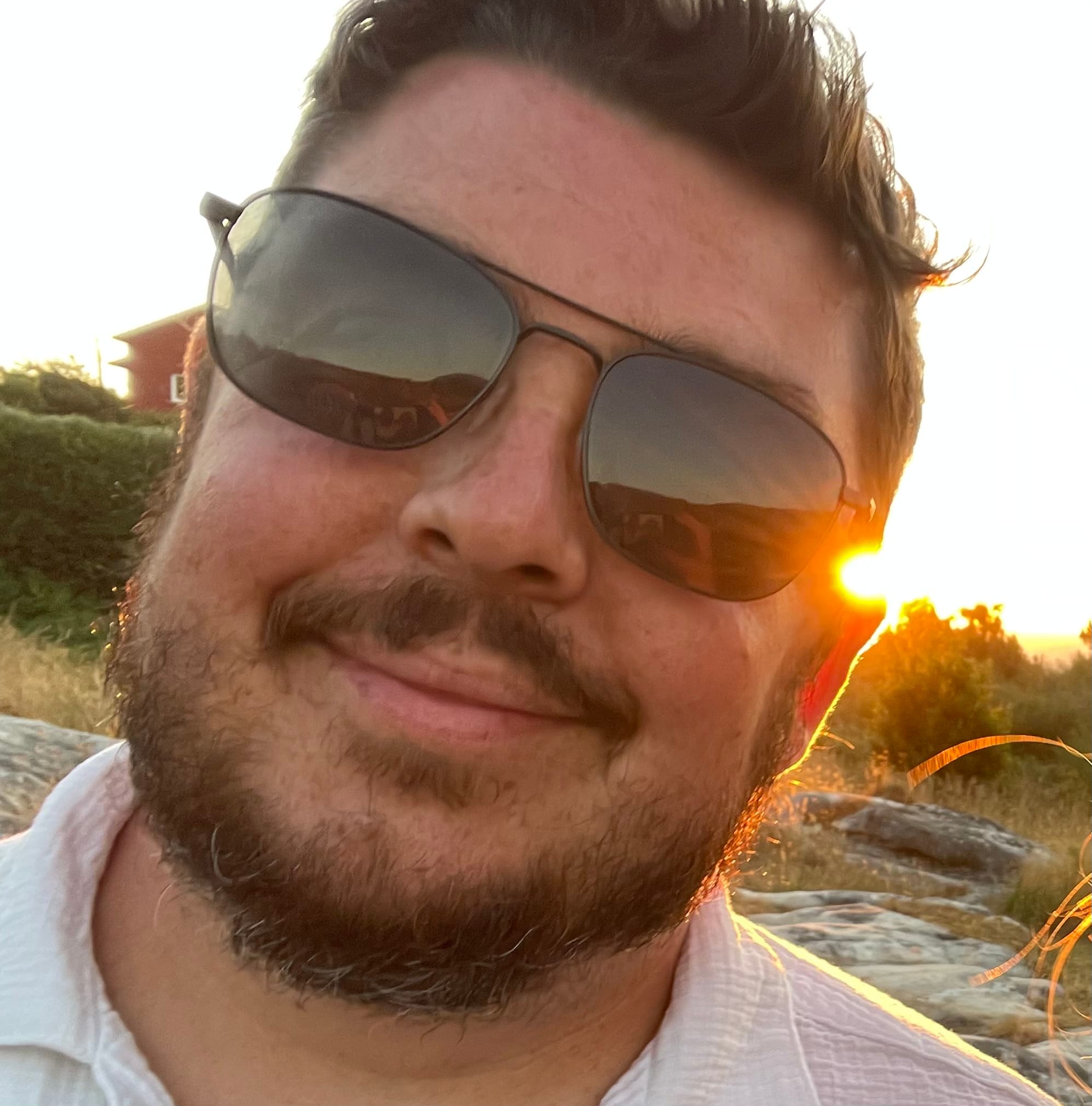
Jamie Larson
After a decade of writing for RI (along with many other publications and organizations) Jamie took over as editor in 2025. He has a masters in journalism from NYU, a wonderful wife, two kids and a Carolina dog named Zelda.