The Last Sisters of Linwood to Sell Rhinebeck Riverfront Spiritual Center
Town of Rhinebeck aiding in search for buyer that suits the town’s comprehensive plan, looking to put multimillion-dollar estate back on tax roll.

Town of Rhinebeck aiding in search for buyer that suits the town’s comprehensive plan, looking to put multimillion-dollar estate back on tax roll.
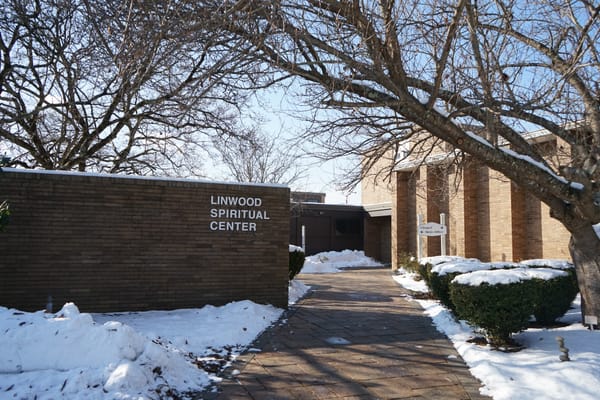
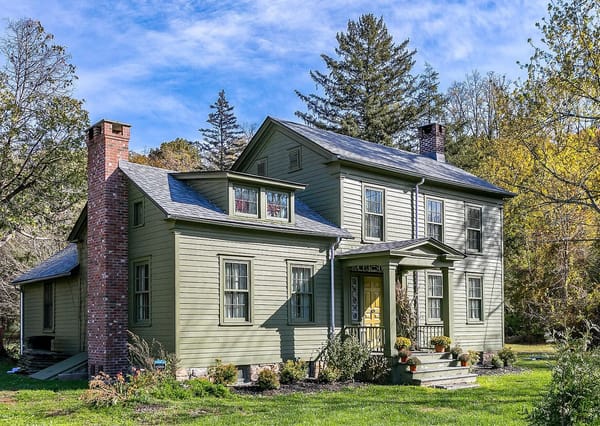
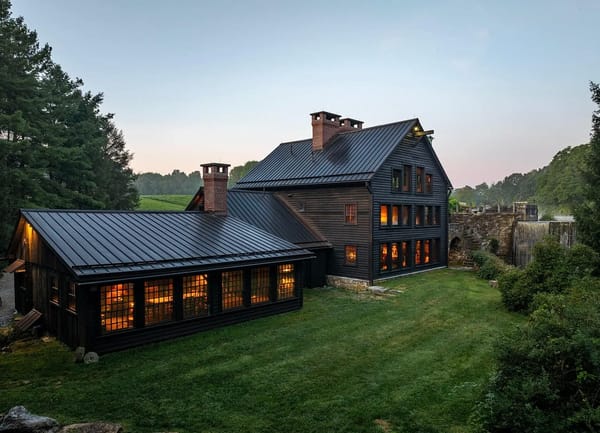
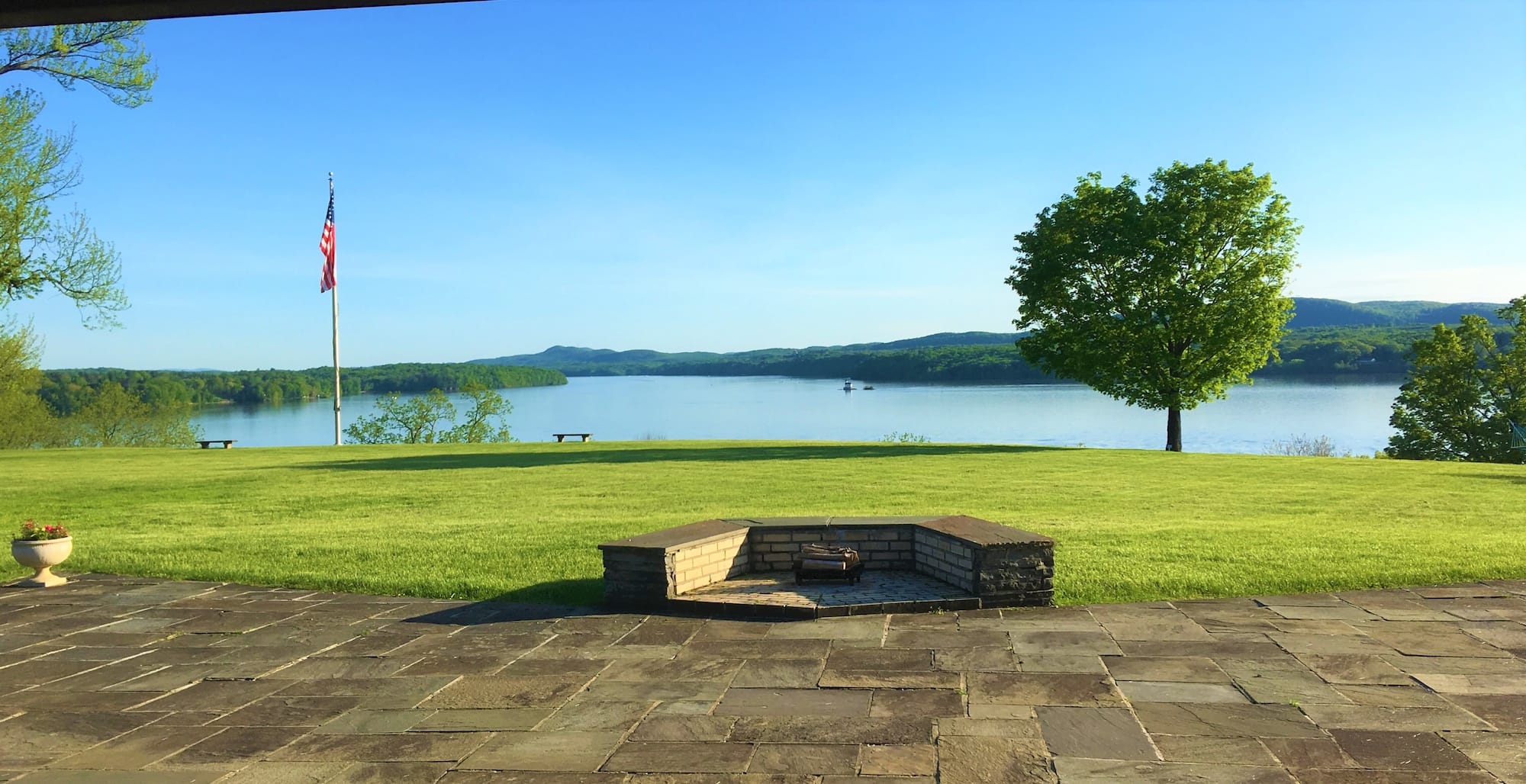
For more than six decades, the Sisters of St. Ursula of the Blessed Virgin of New York have maintained a quiet but impactful presence along the Hudson River in Rhinebeck, New York. The Linwood property, a 51-acre site that includes a spiritual retreat center and a former convent residence, has served as both home and public facing ministry for the Sisters since the early 1960s. Today, after years of internal contemplation and consultation, the order has put the site up for sale.
The decision was shaped by demographic realities within American religious life and guided by a desire to see the land reused in alignment with both their values and the Town of Rhinebeck’s long-term planning goals.
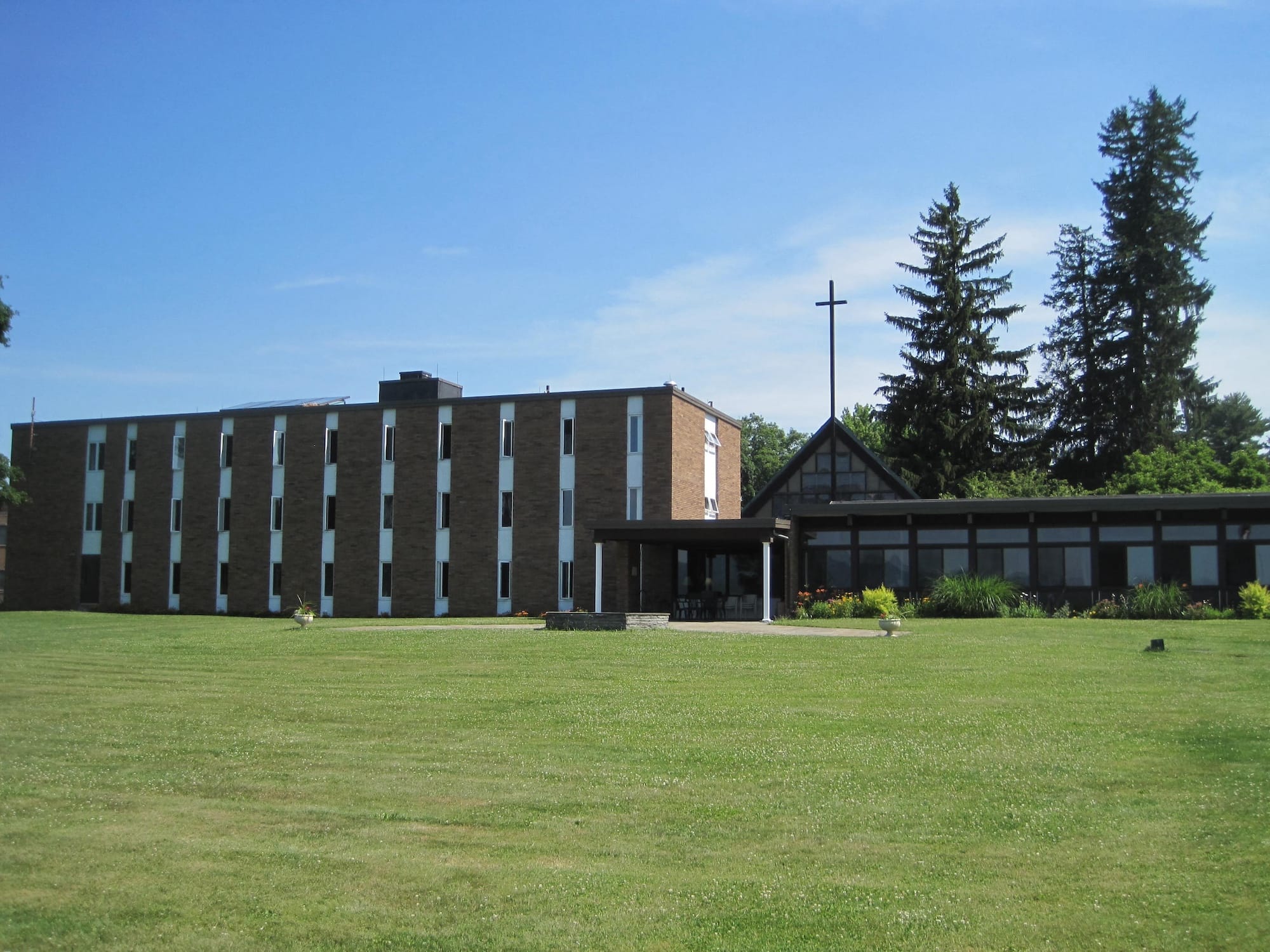
“The Linwood Property has supported the spiritual health and wellness of communities in Rhinebeck, the Hudson Valley, and beyond for six decades,” said Elizabeth DiTolla, SU, regional superior of the Sisters of St. Ursula. “Through this sale, we are hoping that the property can continue its legacy and serve the surrounding region for generations to come.”
In a request for proposal (RFP) released Februray 11, the Sisters are now seeking buyers and real estate development teams that can, “deliver the highest market value for the property while respecting its natural beauty and historic context, the Sisters’ mission and values of diversity, education, and service, and the Town of Rhinebeck’s small-town character and planning priorities.”
The RFP goes on to say that, “given the property’s history and the desire to facilitate appropriate reuse of the property, the Town of Rhinebeck is collaborating with the Sisters in the disposition process, including the evaluation of proposals and cooperation to the extent legally permissible in the local land use process.”
The Rhinebeck Town Board passed a resolution in September 2025 allowing for the private-public collaboration.
The Sisters of St. Ursula are an international Catholic religious community founded in France in the late 16th century. Their mission, as Sister Kathy Donnelly explains, was radical for its time: education for women and girls carried out in the world, rather than from behind cloister walls. “When we began, all women religious were behind the cloister, behind the grill,” she says. “And [St. Ursula] didn’t want that for us.” That outward-facing mission has shaped the community’s work for more than four centuries.
The order came to the United States in 1901 after anti-clerical laws in France forced many religious communities to leave. Four sisters arrived in New York City with limited resources and little English, settling in Harlem, where they opened a grammar school within a year. Education remained their primary ministry throughout the 20th century, with schools and programs across the Northeast.
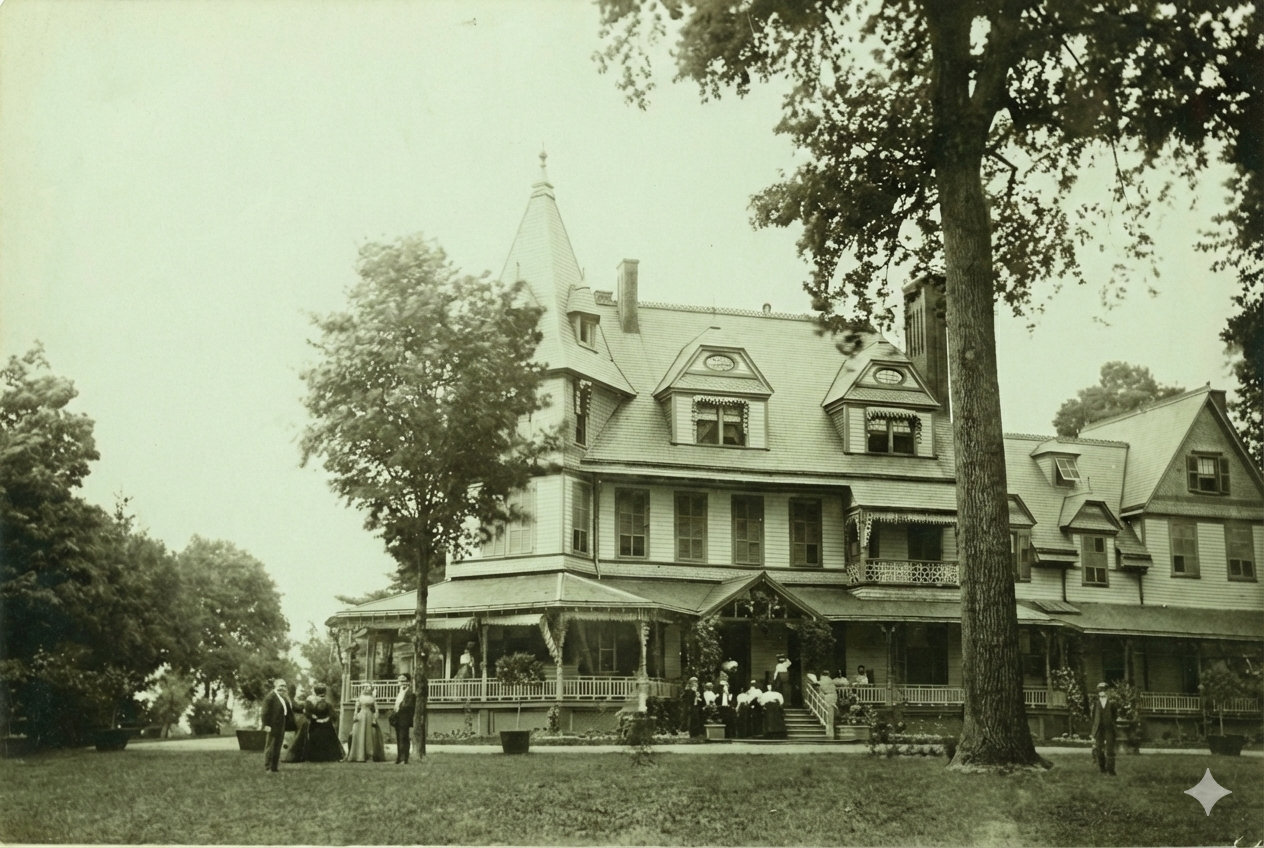
The donation of the Linwood property in the early 1960s by Ruppert Schalk marked a shift, but not a departure, from that mission. “We happened to have inherited the property,” says Sister Mary Dolan. “But nobody said, ‘Oh, let’s build a new high school there.’” Instead, the Sisters developed Linwood as a spiritual center, offering retreats rooted primarily in spirituality. Over time, the center became known for directed retreats, particularly for women, and later for recovery-oriented retreats connected to 12-step programs for men as well.
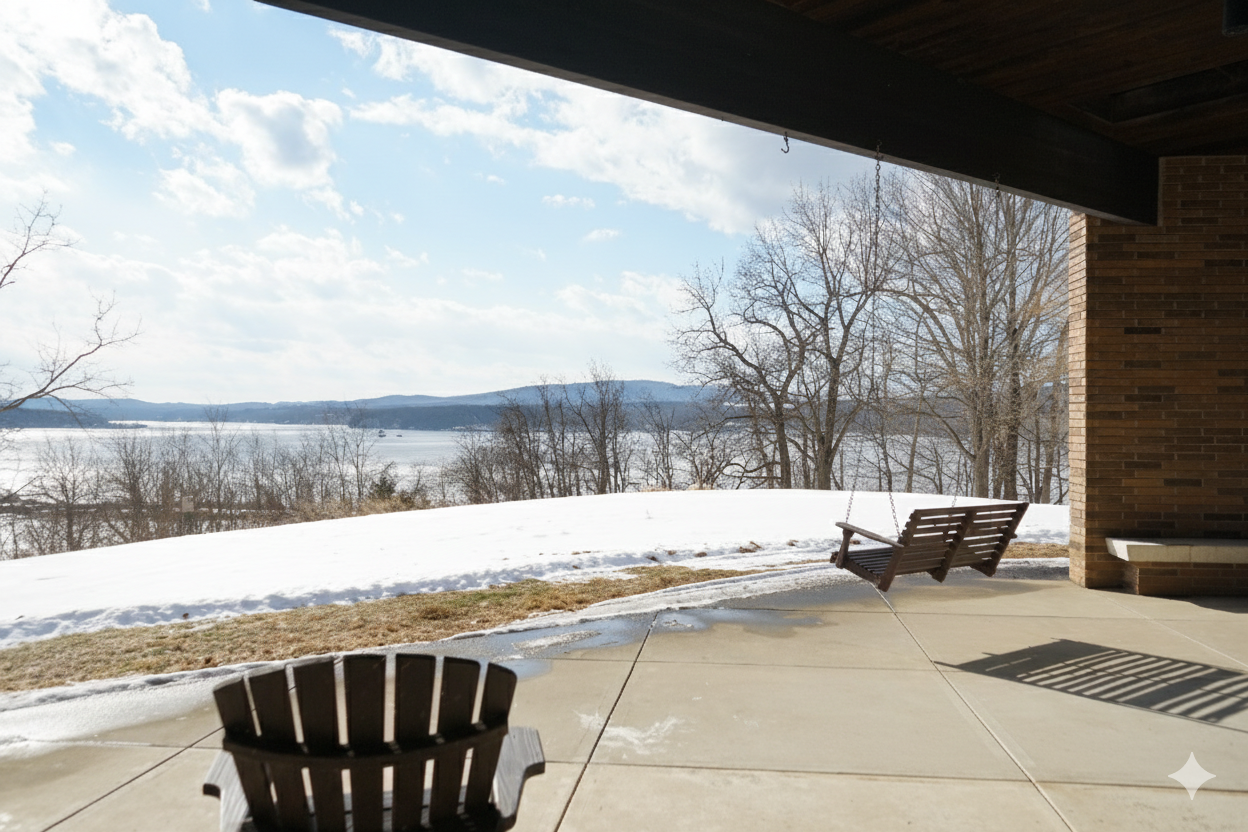
The decision to sell Linwood did not come quickly. According to the Sisters, it followed several years of study, consultation, and financial planning. Sister DiTrolla describes working with outside consultants to assess the long-term sustainability of the property. “We’re 18 sisters in the US (we call it the American region) and aging every year,” she says. “Our median age is around 83 or 84, and we realized that we could no longer manage a property of 51 acres.”
At the same time, the Sisters were confronting the increasing costs and logistical challenges of elder care. “It was painful, to be perfectly blunt,” Sister Dolan says. “But also the need to care for our oldest sisters was a big motivating factor.” Several Sisters who had lived at Linwood for decades had already moved into nursing facilities.
That decision also reflects broader shifts within Catholic religious life in the United States. While the number of women religious has declined sharply in North America and Europe, the Sisters emphasize that their community is not disappearing—it is changing geographically. “We’re international,” Sister Dolan says. “The energy is in the South. You have to cross the equator.” The largest concentrations of Sisters of St. Ursula today are in India and several African countries, including the Congo, Ivory Coast, Togo, and South Africa.
“What people don’t realize,” Dolan adds, “is that religious life didn’t always look like it did here in the ’50s and ’60s. That was the anomaly.” Many American congregations, she notes, are now consolidating, closing large properties, or transitioning their assets to new uses—a process that has become increasingly common across denominations.
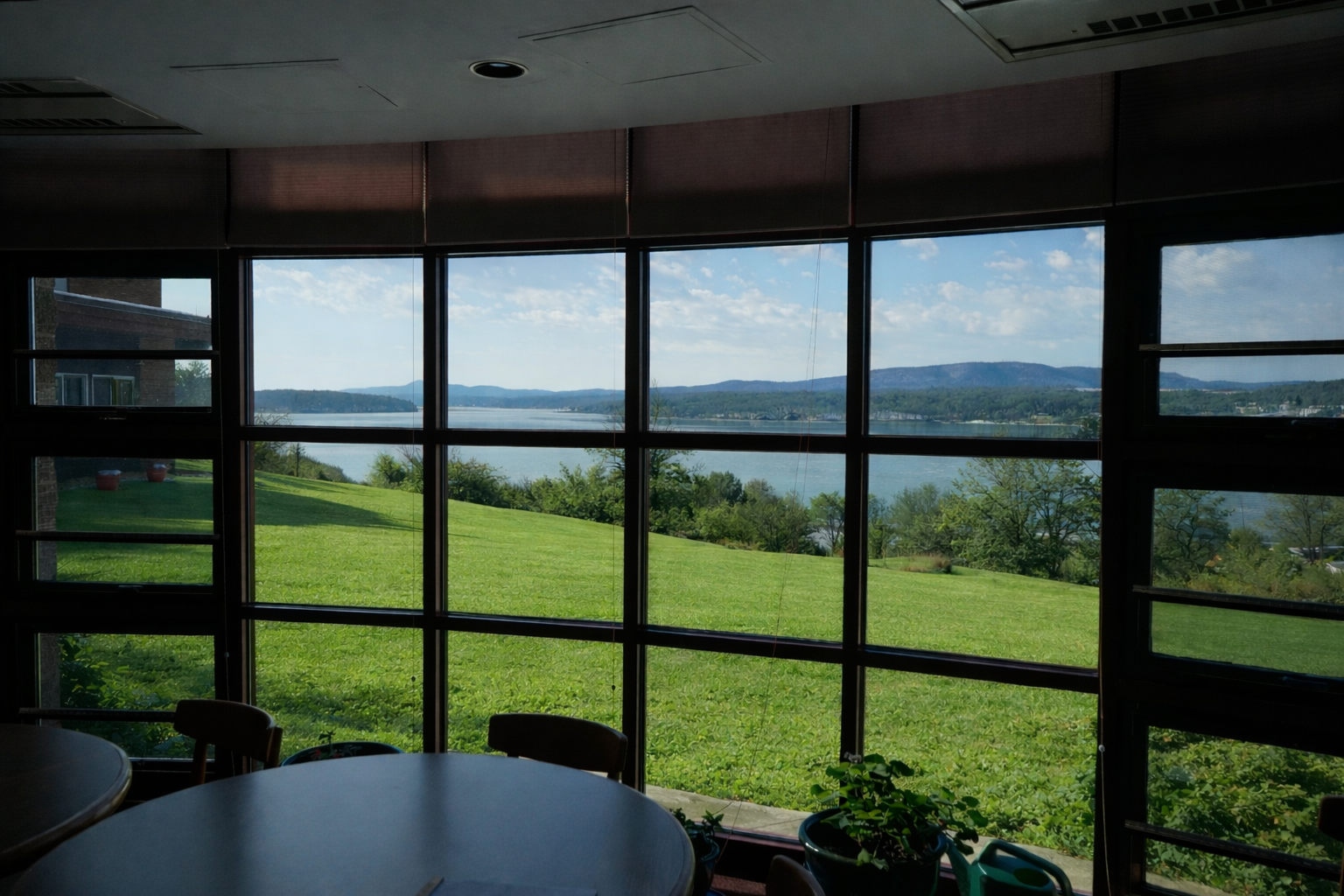
From the outset, the Sisters sought to ensure that the sale of Linwood would not result in a use that contradicted either their mission or the desires of the town. Sister Donnelly says she reached out to Town Supervisor Elizabeth Spinzia as a courtesy once the decision to sell was made.
For Spinzia, the collaboration made sense on multiple levels. Linwood predates modern zoning and historic preservation regulations in Rhinebeck, and any future redevelopment would require careful coordination. “We had similar goals,” Spinzina says. “The sisters were adamant that it wouldn’t be a home for a billionaire. They wanted the public to have access to it. They wanted it to be a benefit to the town.”
The town, Spinzia says, is interested in adaptive reuse that aligns with its comprehensive plan, supports the local economy, and brings the property onto the tax rolls. “We wanted something in keeping with the comprehensive plan,” the Supervisor says, “which is all about adaptive reuse.” She emphasizes that the town is not purchasing the property or controlling the sale, but working alongside the Sisters to signal to potential buyers that there is municipal support for the right kind of project.
“We want it handed on to somebody who will love it as much as we have,” Donnelly says.
Interested development teams are invited to submit their proposals by the deadline of April 17, 2026 (5pm ET), and to contact linwood@hraadvisors.com.