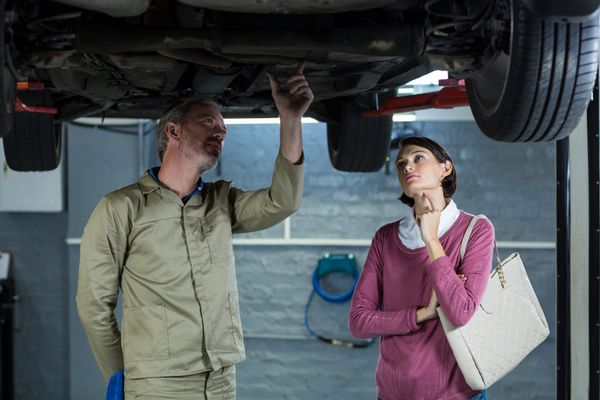
Keeping your vehicle properly maintained is essential for ensuring reliable performance, safety, and long-term value. Regular servicing allows drivers to address wear and potential mechanical issues early, helping prevent unexpected breakdowns and expensive repairs. From the engine and transmission to the brakes, suspension, and other key systems, every component contributes to how smoothly and efficiently your vehicle performs.
For drivers looking to maintain or enhance their vehicle’s capabilities, mmx performance can be part of a broader approach to performance-focused vehicle care. Combining regular maintenance with quality components and appropriate performance upgrades can help support better handling, responsiveness, and overall driving performance. Taking a proactive approach ensures your vehicle remains dependable while meeting your performance expectations.
Improves Engine Performance
The engine is the heart of your vehicle, and regular maintenance helps keep it operating as intended. Routine services such as oil and filter changes, spark plug inspections, fluid checks, and air filter replacement can support efficient engine operation.
Over time, contaminated oil, blocked filters, worn spark plugs, and other issues can affect acceleration, fuel efficiency, and overall drivability. Following the manufacturer’s recommended maintenance schedule can help maintain consistent engine performance and reduce unnecessary strain on key components.
Helps Prevent Costly Repairs
One of the biggest advantages of regular vehicle maintenance is early problem detection. Small mechanical issues can often develop gradually without producing obvious symptoms. A routine inspection may identify worn belts, leaking fluids, deteriorating hoses, brake wear, or other problems before they result in major component failure.
Addressing minor issues early is generally more manageable than dealing with extensive repairs after a breakdown. Regular maintenance can therefore be a practical way to manage vehicle ownership costs over the long term.
Supports Better Fuel Efficiency
A well-maintained vehicle can operate more efficiently than one that has been neglected. Factors such as incorrect tyre pressure, dirty air filters, worn spark plugs, poor wheel alignment, and overdue oil changes can contribute to reduced fuel economy.
Keeping these components in good condition allows the vehicle to work more efficiently. For drivers who regularly commute or travel long distances, maintaining fuel efficiency can make a noticeable difference to ongoing running costs.
Enhances Safety on the Road
Performance maintenance is not solely about improving speed, acceleration, or driving comfort. It also has an important connection to vehicle safety. Brakes, tyres, suspension components, steering systems, lights, and other safety-related parts should be inspected regularly to ensure they remain in suitable condition.
For example, worn brake components can affect stopping performance, while improperly inflated or damaged tyres can reduce traction and handling. Routine inspections provide an opportunity to identify these concerns and address them before they compromise road safety.
Preserves Vehicle Longevity
Vehicles are made up of numerous interconnected mechanical and electronic systems. Regular maintenance helps reduce excessive wear and allows these systems to continue functioning properly.
Simple measures such as replacing fluids at the recommended intervals, maintaining correct tyre pressure, checking battery condition, and servicing the engine can contribute to the overall longevity of a vehicle. Proper maintenance can also help drivers get more value from their investment by keeping the vehicle dependable for longer.
Maintains Resale Value
If you plan to sell or trade in your vehicle in the future, a consistent maintenance history can be beneficial. Prospective buyers are often more confident in a vehicle that has been serviced regularly and properly maintained.
Keeping service records, receipts, and inspection documentation can provide evidence that the vehicle has received appropriate care. A well-maintained vehicle may also have fewer visible and mechanical issues, helping it remain more appealing in the used-car market.
Follow a Consistent Maintenance Schedule
The best approach to vehicle care is preventative rather than reactive. Instead of waiting until something goes wrong, follow the maintenance schedule recommended by the vehicle manufacturer and consider the driving conditions your vehicle regularly experiences.
Professional inspections can complement routine servicing by identifying developing problems that may not be obvious to the average driver. Whether your vehicle is used for daily commuting, long-distance travel, towing, or occasional trips, maintenance requirements can vary depending on its use and age.
Keep Your Vehicle Performing at Its Best
Regular performance maintenance is an investment in your vehicle’s reliability, efficiency, safety, and longevity. By addressing routine servicing requirements and dealing with potential problems early, drivers can reduce the likelihood of unexpected breakdowns and expensive repairs.
A proactive maintenance routine not only helps your vehicle perform better today but can also protect its condition and value for years to come. For any vehicle owner, staying consistent with servicing and professional inspections is one of the simplest ways to support dependable performance on the road.