Ephemeral April: 10 Singular Spring Events
ten ways to spend April experiencing something that can’t quite be streamed, duplicated, or simulated.

ten ways to spend April experiencing something that can’t quite be streamed, duplicated, or simulated.
The idea that life in America is broadly “normal” no longer feels especially convincing. In moments like this, when so much of our social constructs has revealed itself to be built of whole cloth, the most rewarding way to engage with the world may be to seek out experiences that feel ephemeral: art that asks urgent questions, performances tapping into living traditions, gatherings that exist only in one particular place at one particular moment.
April across the Berkshires and Hudson Valley offers exactly this kind of timely cultural ambrosia. From experimental reflections on artificial intelligence inside the cavernous walls of MASS MoCA and handmade political theater by Bread and Puppet, to Cuban flamenco dance at Jacob’s Pillow and cherry blossoms blooming over Hyde Park’s world-class sake brewery, the region’s cultural calendar is evanescent.
Here are ten ways to spend April experiencing something that can’t quite be streamed, duplicated, or simulated.
April 24–25 at pm, Linde Center for Music and Learning, Lenox, Massachusetts
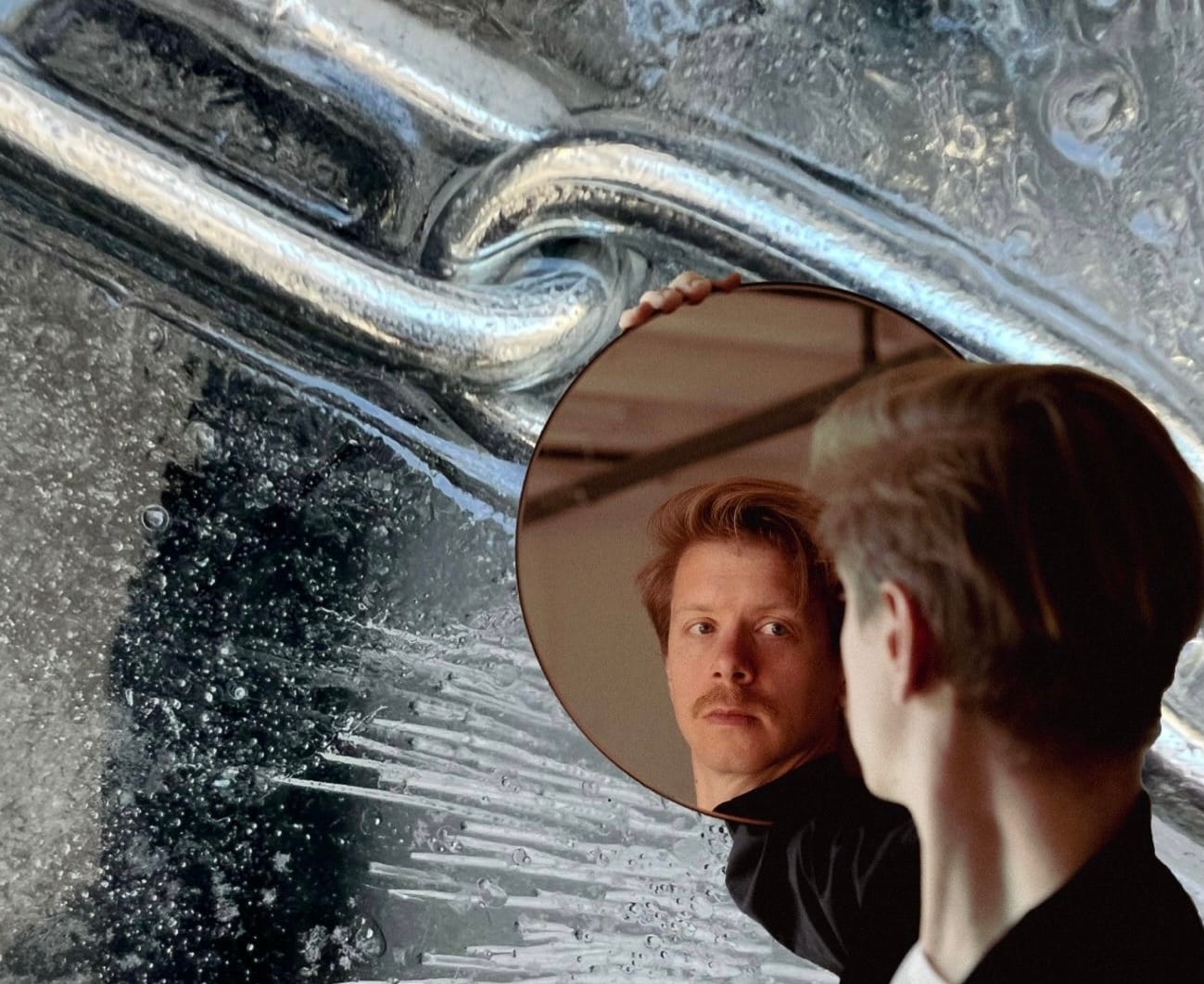
Two consecutive evenings at Tanglewood’s Linde Center for Music and Learning explore Franz Schubert’s Winterreise from both historical and contemporary vantage points. On April 24, Andrew Munn (on bass) and pianist Elenora Pertz perform the original 1827 song cycle in Studio E, an intimate setting well suited to the work’s psychological intensity. Often described as Schubert’s most devastating masterpiece, Set to poems by Wilhelm Müller, the cycle’s 24 songs trace a descent into loneliness, memory, and existential dislocation.
The following evening, April 25, Munn and Pertz return with postWinterreise, a contemporary companion piece that reframes Schubert’s winter landscape through the lens of environmental change. The performance incorporates electronics and projections, with live electronics by Jared Redmond and electroacoustic compositions by Kat Austen. According to the Boston Symphony Orchestra, fragments of Schubert’s music begin to destabilize as the work progresses, breaking apart in proportion to two centuries of glacial ice melt.
Field recordings, sound art, and electronic textures gradually intrude on the original material, turning the romantic metaphor of winter into a meditation on climate transformation. Heard together across two nights, the performances create an unusual dialogue between Schubert’s inward psychological winter and a contemporary winter shaped by ecological uncertainty.
April 24-27, Becket, Massachusetts
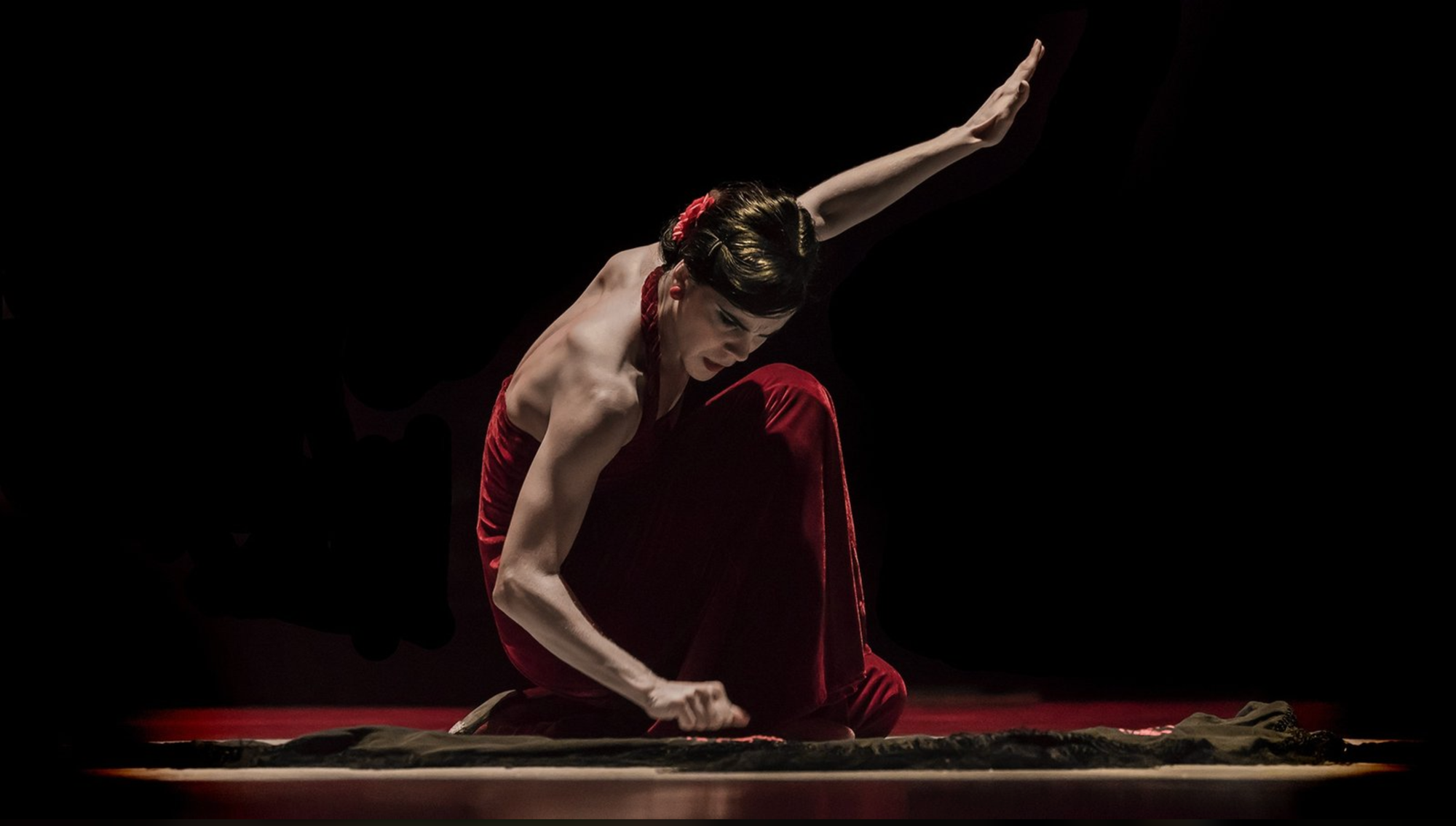
Jacob’s Pillow presents a strong pre-festival season dance weekends with the world premiere of "Flamenco Soul" by Compañía Irene Rodríguez. Running April 24 through 26 in the Doris Duke Theatre, the production is built as an intimate solo performance by Rodríguez, accompanied by a live three-person ensemble. The Pillow describes the work as “magnetic,” with seating in the round and acoustics designed to immerse the audience in the performance’s seismic force.
The following evening on April 27, Jacob’s Pillow continues the momentum with Hari Krishnan’s company inDANCE, presenting contemporary works rooted in the vocabulary of traditional bharatanatyam. Krishnan’s choreography draws on the classical South Indian dance form while expanding it through contemporary movement, theatrical staging, and explorations of gender and identity. Known for combining rigorous classical training with bold reinterpretation, the Canadian-based choreographer has built an international reputation for his progressive spin on a historic form.
Now, North Adams, Massachusetts
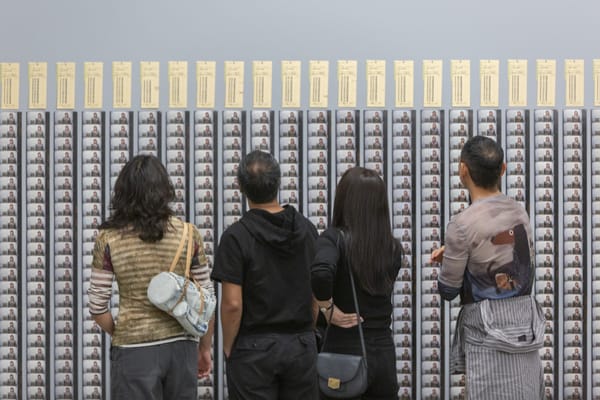
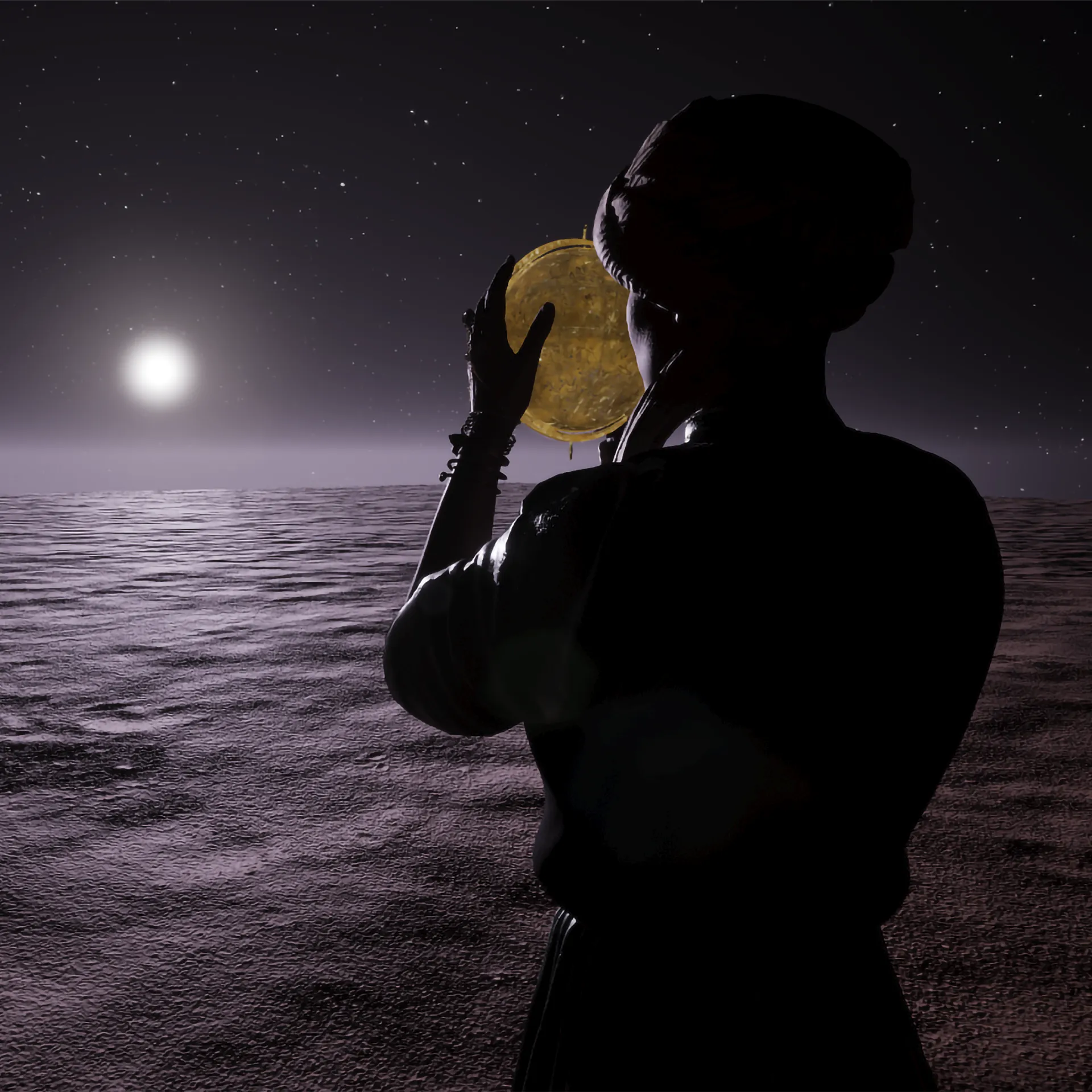
On view at MASS MoCA, “Technologies of Relation” is one of the most thought-provoking exhibitions to catch in April. The museum’s director of curatorial affairs Susan Cross has orchestrated a group show bringing together more than a dozen artists working across installation, performance, textile, sculpture, video, and code to examine how digital systems shape human relationships. Rather than reducing artificial intelligence to a simple argument for or against technological progress, the exhibition places it inside the lived spaces of kitchens, living rooms, cultural memory, and everyday surveillance. It is a show about intimacy infrastructure, and about the uneasy fact that techno-organic symbiosis is no longer scifi. It’s ordinary.
“Technology is embedded in our lives,” Cross says. “But I think some of us just accept it without kind of poking it and examining it. Is it God or a devil? Is it an existential threat to humanity, or is it like an economic driver, or even more so, like a savior? I don’t think the works in this exhibition lead to one answer, but it makes [visitors] think about it, and they can have their own viewpoint at the end of it.”
April 2, 7pm, Hudson, New York
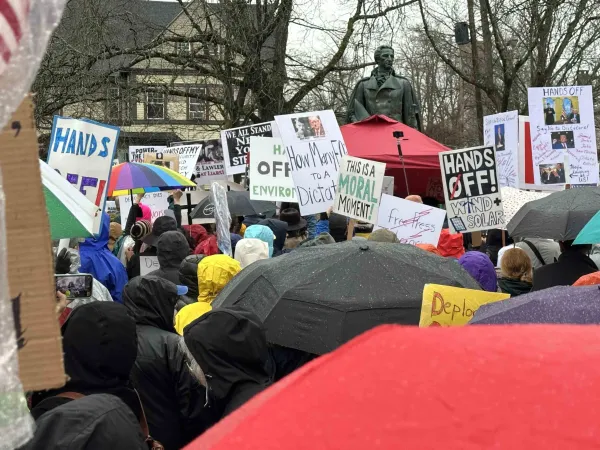
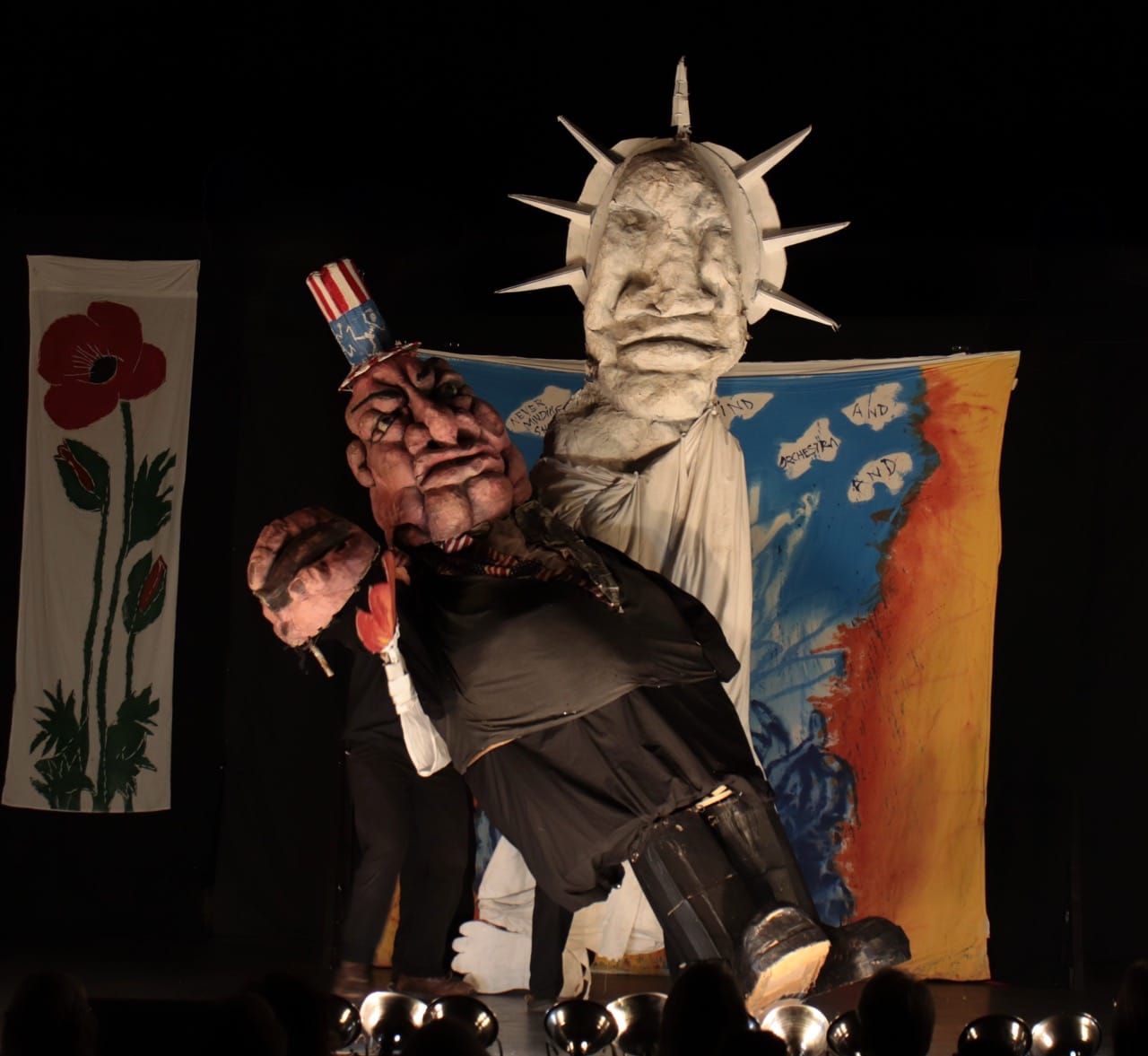
Bread & Puppet Theater makes its regular spring trip to Time & Space Limited on April 2 with The End of the World Never Minding Show. The new production promises exactly the kind of handmade, humanist, political criticism that has long defined the company’s work.
TSL predicts an evening featuring a revolt orchestra, screaming choirs, and a reckoning with the catastrophe of logic of “our upside-down situation,” while director Peter Schumann frames the show in language of plague, fear, and darkness. That combination of political fury, natural-edged pageantry, and protest ritual makes Bread & Puppet’s performance a meaningful public moment.
April 11-12 and 18-19, 11am-5pm, Hyde Park, New York
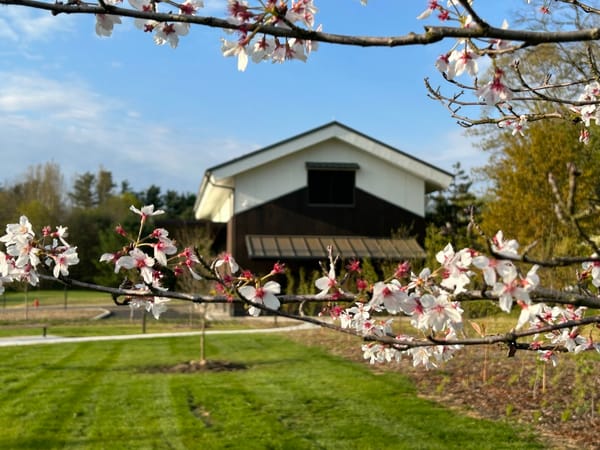
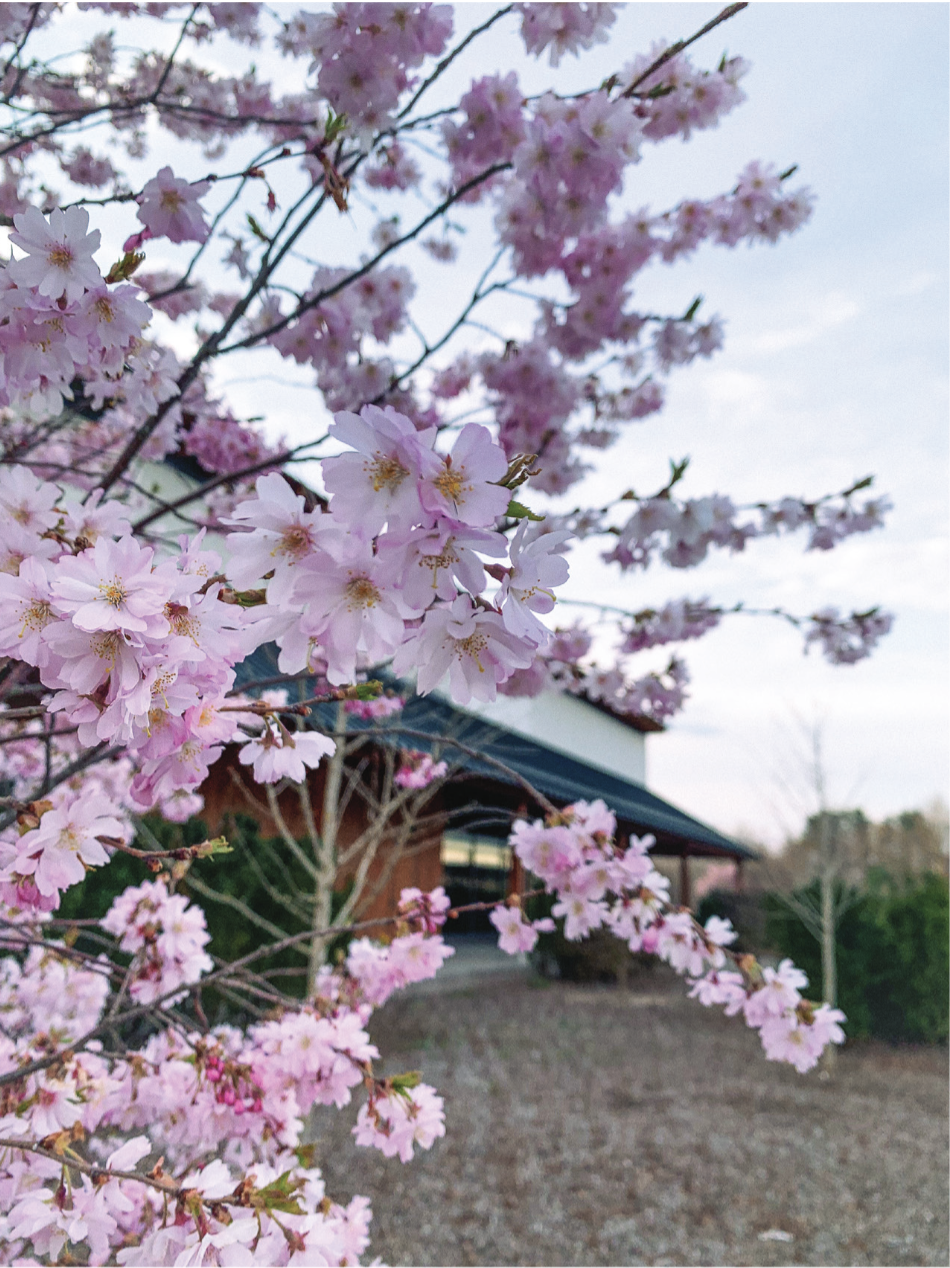
World class sake brewery Dassai Blue’s Cherry Blossom Festival returns over two April weekends with an open-house format that turns the brewery’s Hyde Park campus from a tasting destination into a seasonal, culturally significant community event. The activities under Dessai’s blooming cherry tree-filled grounds are family-friendly and free to attend. Visitors are invited to picnic under the blossoms, browse local craft and art vendors, sample seasonal food, and enjoy Dassai Blue’s signature sake offerings.
This mix of hanami (the Japanese traditional custom of enjoying the temporary beauty of flowers), Hudson Valley spring light, and polished Japanese brewing culture gives the festival a distinctly international character.

April 12, 3pm, Pine Plains, New York
The Stissing Center hosts a live taping of the long-running NPR series Selected Shorts on April 12, bringing two instantly recognizable performers to Pine Plains. Joanna Gleason serves as host, while Emmy-winning actor Jane Curtin (Saturday Night Live, Kate & Allie, 3rd Rock from the Sun) joins celebrated actors Deborah S Craig, Michael Emerson.
The premise of the show is straightforward: actors read short stories aloud. But in the hands of performers like Curtin, with her impeccable timing and dry wit, the format becomes something special. This program focuses on stories about neighbors and the strange intimacy of everyday life.
April 10 at 7:30pm, West Stockbridge, Massachusetts
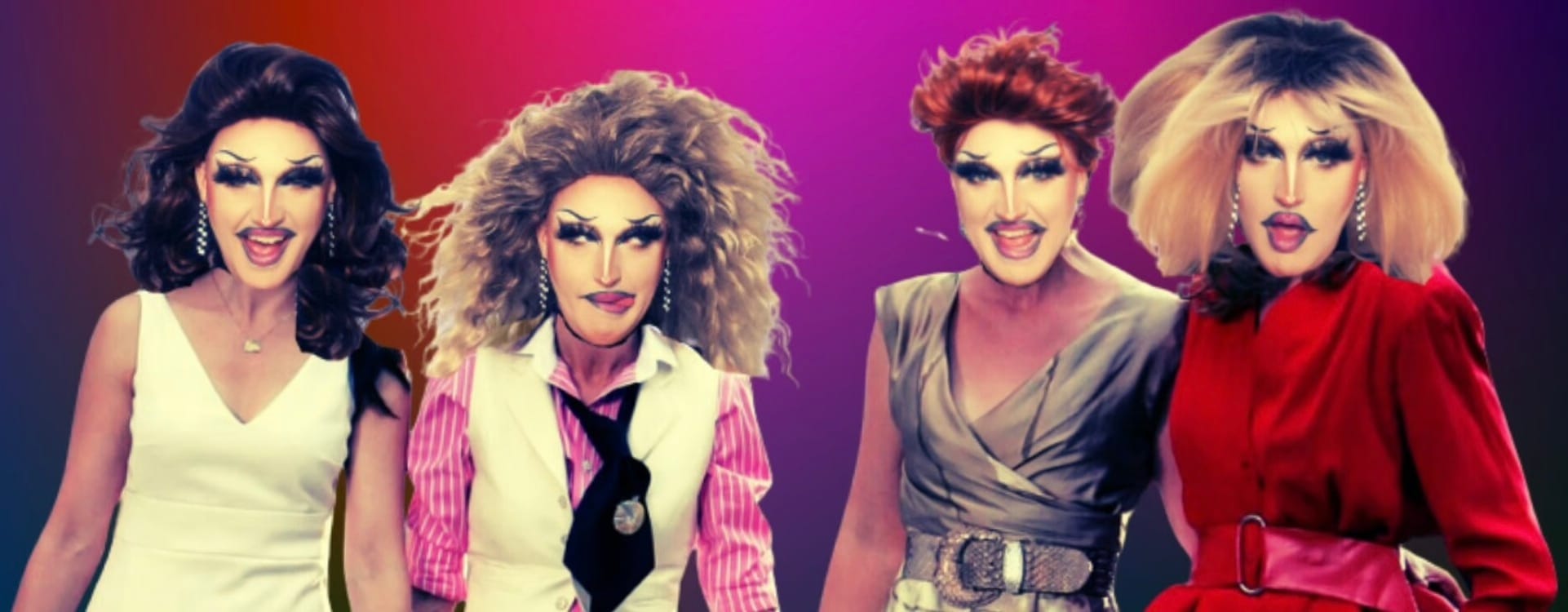
At the Foundry on April 10, Miss Woman the Woman brings Sex and the City Season 1, Episode 11, “The Drought,” to the stage as a lip-synced live performance. Come to the Foundry to see one drag performer, four wigs, a full-length video recreation, and a high-camp unauthorized parody that has already played Provincetown and sold-out New York runs. Less a tribute than a comic feat of endurance, Miss Woman the Woman turns a familiar episode into a knowingly ridiculous feat of live performance. For viewers with affection for drag, parody, and millennial TV memory, that may be enough.
April 25 at 7pm, Great Barrington, Massachusetts
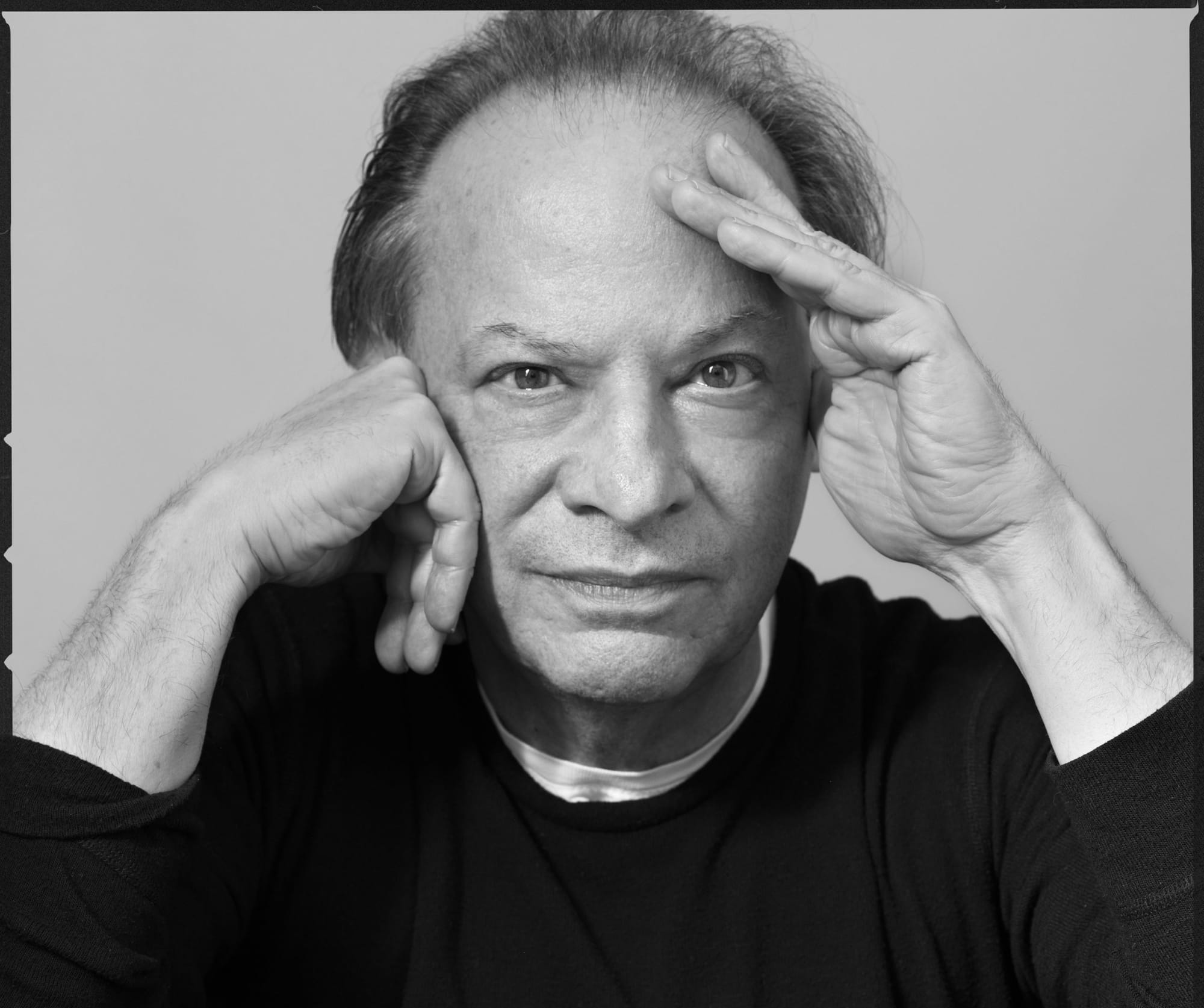
Adam Gopnik brings his one-man show "Adam Gopnik’s New York" to the Mahaiwe on Saturday, April 25. Produced by Steve Martin and James L. Nederlander, the evening promises what the Mahaiwe calls “mischief, meanings, and tales that shimmer with insight and charm.” Gopnik himself says the show ranges from the making of Central Park—“a microcosm of everything we love about New York City”—to his own “most unsuccessful” psychoanalysis. That blend of urban history, memoir, wit, and essayistic observation is exactly what has made Gopnik such an enduring New Yorker.
April 18-May 10, 11am-4pm, Pittsfield, Massachusetts
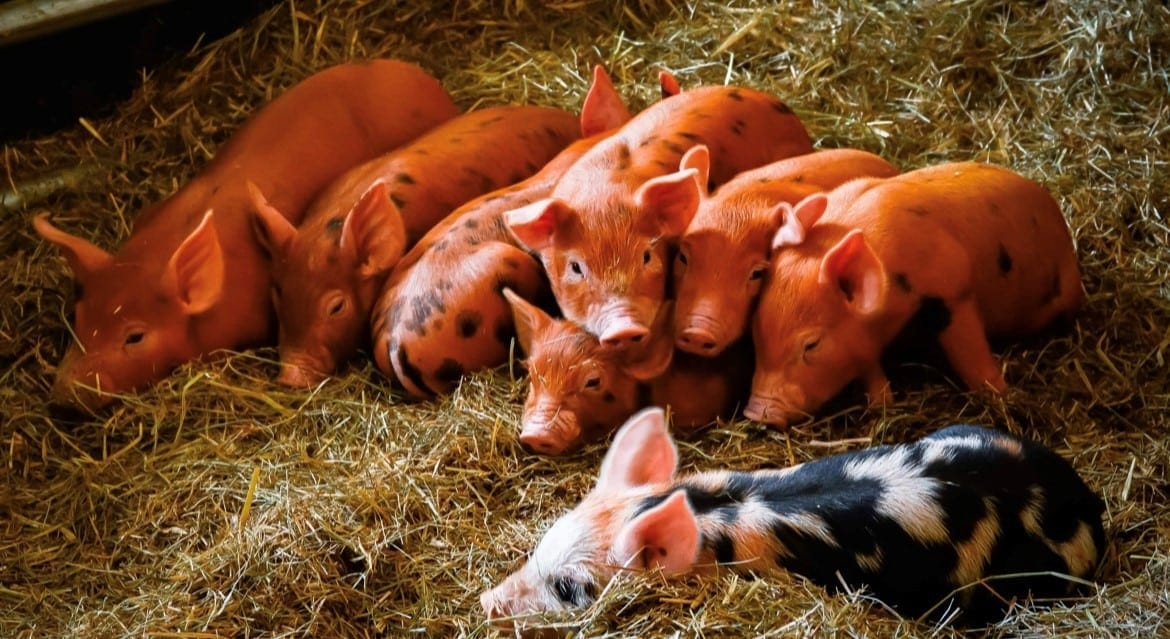
Hancock Shaker Village’s Baby Animals Festival runs from April 18 through May 10, and is one of the region’s most enduring and endearing spring rituals. Visitors can meet lambs, piglets, calves, chicks, and goat kids while also taking in daily talks about the farm and the Shakers, craft demonstrations, and walks along the Farm & Forest Trail. The event pairs obvious family appeal with a more grounded agricultural setting. There is also a separate behind-the-scenes tour each day at 10am, limited to one group, that includes the Round Stone Barn, Dairy Ell, and barnyard. In other words, this is not just a photo-op with baby goats; it is a full living spring outing.
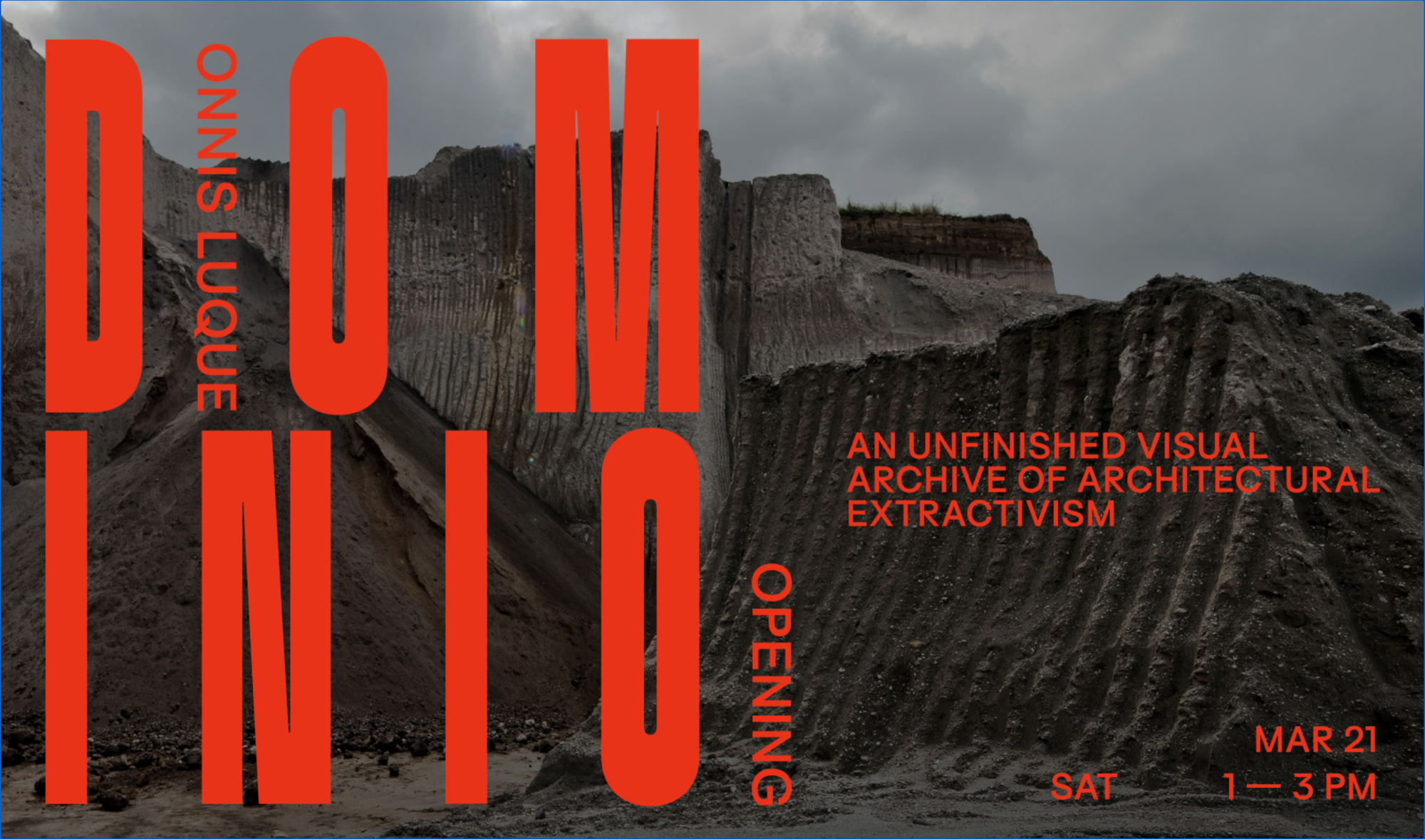
On view through May 31, Newmark Gallery, Ghent, New York
At Art Omi, Onnis Luque’s "DOMINIO: An Unfinished Visual Archive of Architectural Extractivism" makes an argument for releasing our societal obsession with finished surfaces. On view in the Newmark Gallery through May 31, the photography project examines sand, stone, and earth as foundational building materials rarely pictured with the same care lavished on contemporary architecture itself. Luque’s photographs trace those materials back to the damaged landscapes from which they were taken, including quarries, fractured hillsides, and industrial scars across Mexico.
Curated by Julia van den Hout, the exhibition asks viewers to consider not just what buildings mean, but what they cost materially and ecologically. It is rigorous, visual, and unusually clear in its ethical stakes.