New Intimate Leonard Bernstein Doc Opens at Triplex and Moviehouse
Built entirely from archival footage, "Bernstein's Wall" makes Leonard Bernstein argue his own case for art's role in a divided society


Built entirely from archival footage, "Bernstein's Wall" makes Leonard Bernstein argue his own case for art's role in a divided society
Opens July 3 | Great Barrington, MA and Millerton, NY
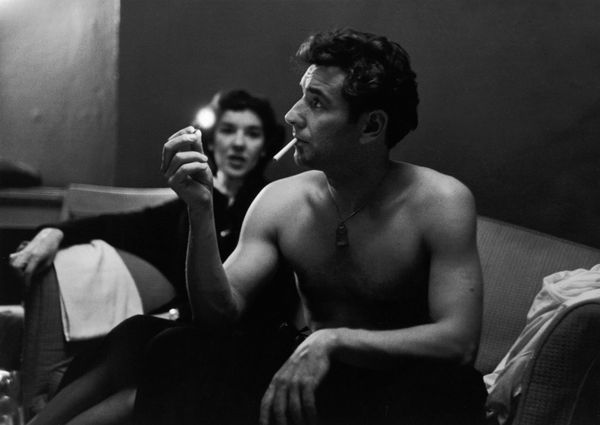
Bernstein's Wall, director Douglas Tirola's documentary on Leonard Bernstein, opens July 3 at the Triplex Cinema in Great Barrington and the Moviehouse in Millerton, following a run at Film Forum in New York that drew strong reviews. The Triplex engagement runs several weeks with multiple daily showtimes; the Moviehouse run is scheduled for just one week.
Tirola, who previously made Drunk Stoned Brilliant Dead about National Lampoon, constructs the Bernstein film entirely from existing material—television interviews, news footage, home movies, audio recordings, and personal letters—with no new talking-head interviews. Aside from personal letters rendered in elegant graphics, the film amounts largely to a first-person character study; the briefest interview snippets with Bernstein's wife and sister are the only bespoke additions.
The effect is a film that lets Bernstein narrate his own complexity rather than having it explained by others. The idea originated when Tirola, researching an unrelated project about 1980s New York, came across Bernstein's Christmas Day concert in Berlin in 1989, seven weeks after the Wall fell. That concert—where Bernstein figuratively chipped away at the divide between East and West with Beethoven's Ninth before literally taking a chisel to the wall itself—became the framing device for the whole picture.
The film traces Bernstein's upbringing, his difficult relationship with his Ukrainian Jewish immigrant father, his studies at the Curtis Institute and at the Tanglewood, and his formative mentorships under Serge Koussevitzky and Aaron Copland.
Excerpts from his correspondence with Copland suggest a sexual relationship, or at least the desire for one, and the film is direct about Bernstein's sexuality and how his wife, Felicia Montealegre, understood it from early in their 27-year marriage. Bernstein's leftist politics run throughout as well—his civil rights and anti-Vietnam activism, and the 1970 fundraiser for jailed Black Panther members that prompted Tom Wolfe to coin the phrase "radical chic" as an attack on Bernstein's politics.
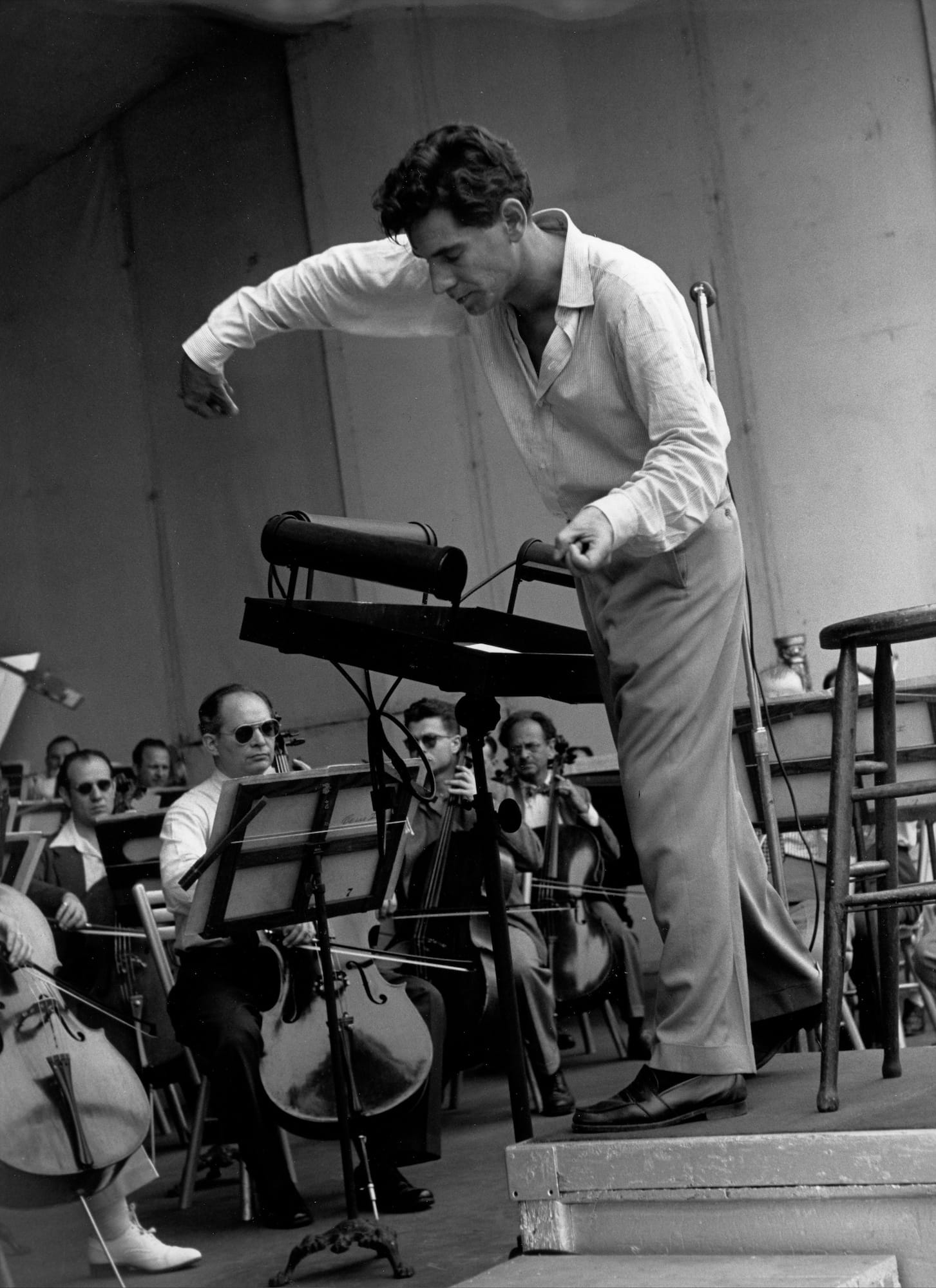
Indiewire called it a "well-conceived, adoring but hardly hagiographic portrait that smartly avoids talking heads," comparing it to Listen to Me Marlon as a kind of X-ray of an artistic figure. Variety's Owen Gleiberman wrote that what the documentary captures, profoundly, is that Bernstein was a fierce hedonist who worked hard to live the life he wanted, while the New York Times's Alissa Wilkinson noted that the film makes the case that Bernstein's charge to artists to lead the way in culture is timeless and more vital than ever. Not every critic was fully won over—Rotten Tomatoes' consensus graded it a B-, finding it more focused on Bernstein's political commitments and conducting genius than a deeper look at his inner, often tormented life. But for audiences in a region with deep Bernstein ties, the film carries an obvious local resonance.