Review: Debra Jo Rupp Shines in BSC's "Driving Miss Daisy" All June Long
Debra Jo Rupp and Ray Anthony Thomas lead a heartfelt, finely crafted production of Alfred Uhry's Pulitzer Prize-winning classic through July 5.

Debra Jo Rupp and Ray Anthony Thomas lead a heartfelt, finely crafted production of Alfred Uhry's Pulitzer Prize-winning classic through July 5.
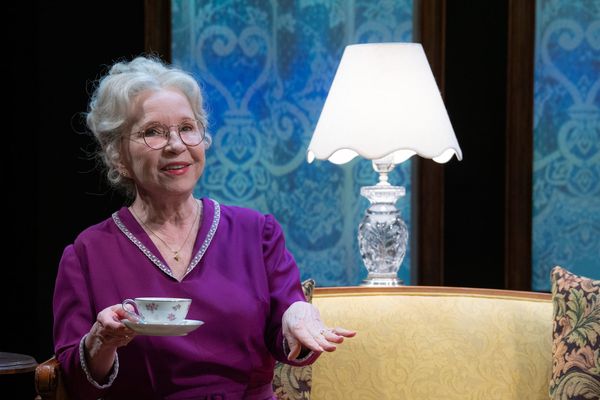
When Alfred Uhry's Driving Miss Daisy premiered Off-Broadway at Playwrights Horizons in 1987, New York Magazine critic John Simon said it was "the kind of play as redolent of the good old days as 5-cent beer and about as likely to make a comeback." And yet Simon gave the play a rave review, praising its unpretentiousness, coziness, and quietude.
It won the Pulitzer Prize the next year, and was made into a movie with Jessica Tandy and Morgan Freeman (who'd been in the original production), which won the Oscar for Best Picture in 1990. Barrington Stage Company's current production, starring Debra Jo Rupp in the title role, proves the play has lost none of its power.
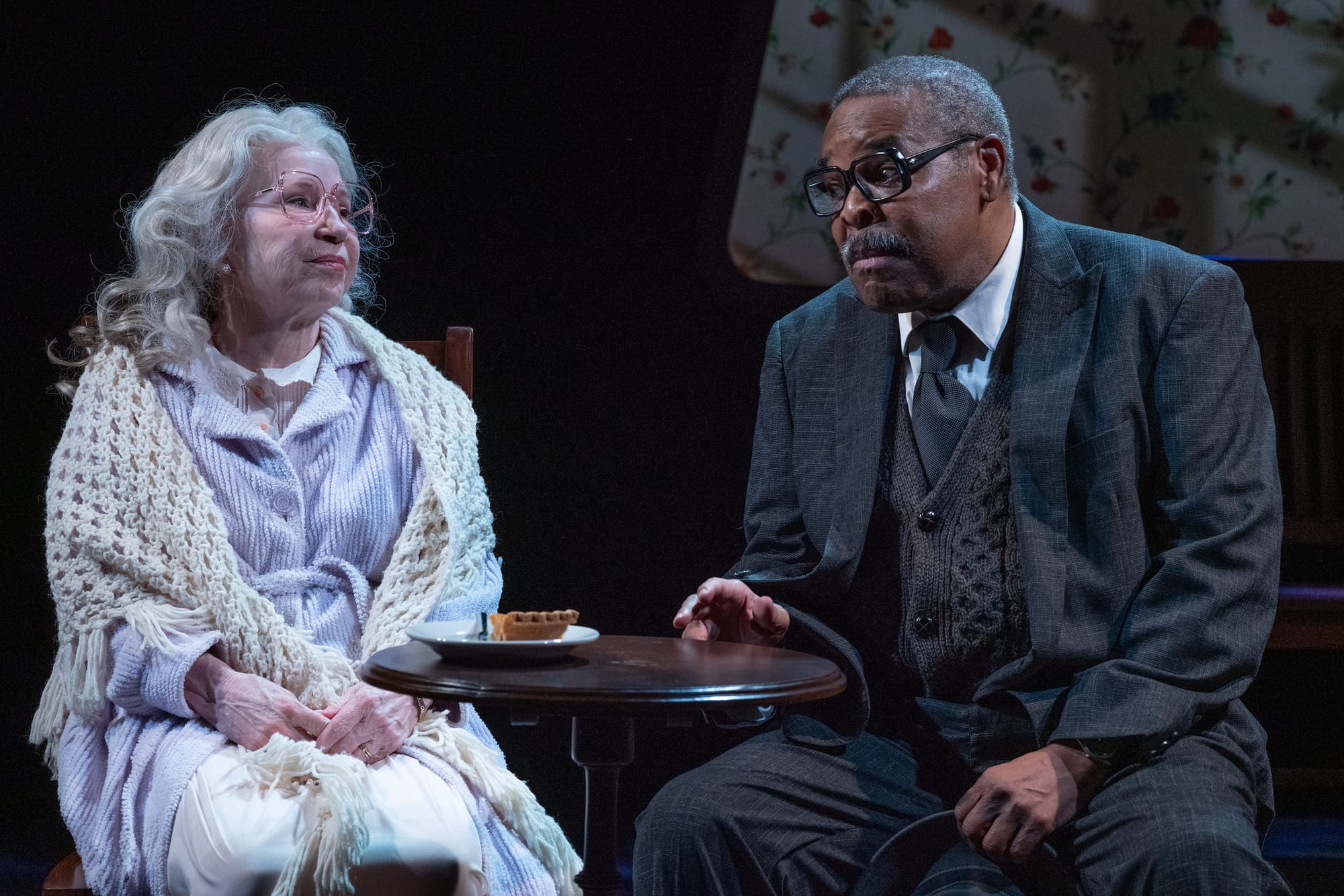
The story is a simple one: It's 1948 in Atlanta, Georgia, and Daisy Werthan is a wealthy 72-year-old white Jewish woman whose son, Boolie, hires a Black chauffeur, Hoke Colburn, who's her contemporary, to ferry her around after she's crashed her car one too many times. Miss Daisy does not want a chauffeur at first, and the unlikely friendship that develops between the two over the next quarter-century may be predictable, but it's heartfelt and heartwarming.
The Barrington Stage Company (BSC) production of Driving Miss Daisy, which runs at BSC's St. Germain Stage at 36 Linden Street in Pittsfield through June 21 before moving to the '62 Center at Williams College at 1000 Main Street in Williamstown from June 26 through July 5, is an 85-minute sentimental journey that is old-fashioned in the most satisfying way. It's also fitting that Daisy is directed by Julianne Boyd, BSC's founding artistic director who stepped down from that role in 2022 after 27 years. Boyd has teased out every bit of the script's humor and pathos, and under her assured but subtle direction, the actors give compelling performances, with every gesture and utterance seemingly inevitable.
Debra Jo Rupp, a BSC Associate Artist who has starred in numerous BSC productions over the years, plays Miss Daisy with admirable restraint. Though perhaps best known to wider audiences for her television and film work—most notably as the lovable Kitty Forman on That '70s Show and its Netflix sequel That '90s Show—her stage work is equally accomplished. Even when Rupp's Daisy is crotchety or insensitive, she remains sympathetic and humane.
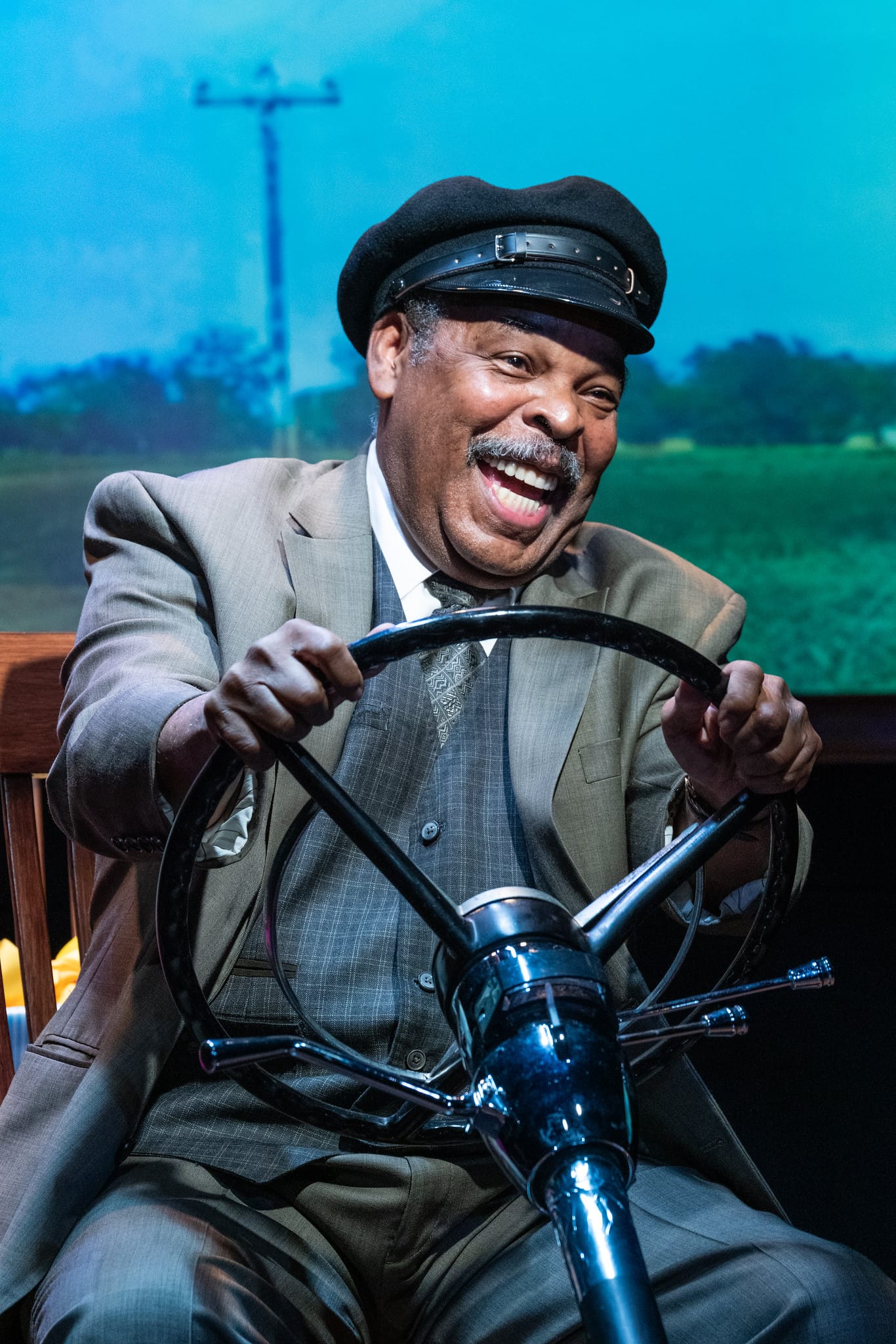
Ray Anthony Thomas, making his BSC debut as Hoke, has impeccable comic timing, and he, too, delivers a performance that feels wholly natural and respectful of his character's dignity. In his winning performance as Daisy's son, who hires and pays Hoke, Matthew W. Korinko is the perfect foil for the prejudices of his elders (despite harboring some himself).
Although Daisy touches lightly on racism and anti-Semitism—a synagogue is bombed (presumably by the Ku Klux Klan), and Boolie fears losing clients if he attends a dinner honoring Martin Luther King Jr.—it's not an issues-oriented play. At its core, Daisy is about the importance of friendship and the need for meaningful connections. In these disconnected times, with people turning to AI companions to keep themselves company or spending time with loved ones primarily on Zoom or in group chats, Daisy drives home the point that humans are social animals and that sometimes the most important relationships are the most unexpected ones. It's a timeless message delivered in an old-fashioned vehicle that speaks eloquently to the modern moment—a perfect start to the Berkshires' summer theater season.