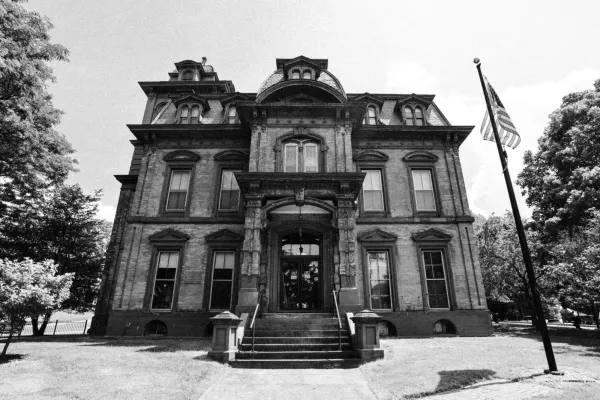
The North Adams Library. Image courtesy of Coley Cary.

Walk into any old Berkshire library and you feel it. The light falling through tall windows, the smell of aging paper, and a nostalgic quiet, pregnant with ideas, history, and community identity. Capturing that feeling, not just documenting the aesthetics of the buildings that hold it, is the real work behind "The Last Quiet Place," photographer Coley Cary's ongoing project to photograph every public library in Berkshire County. "I want my photos to make people feel something," she says. "To make people feel the feeling of the library."

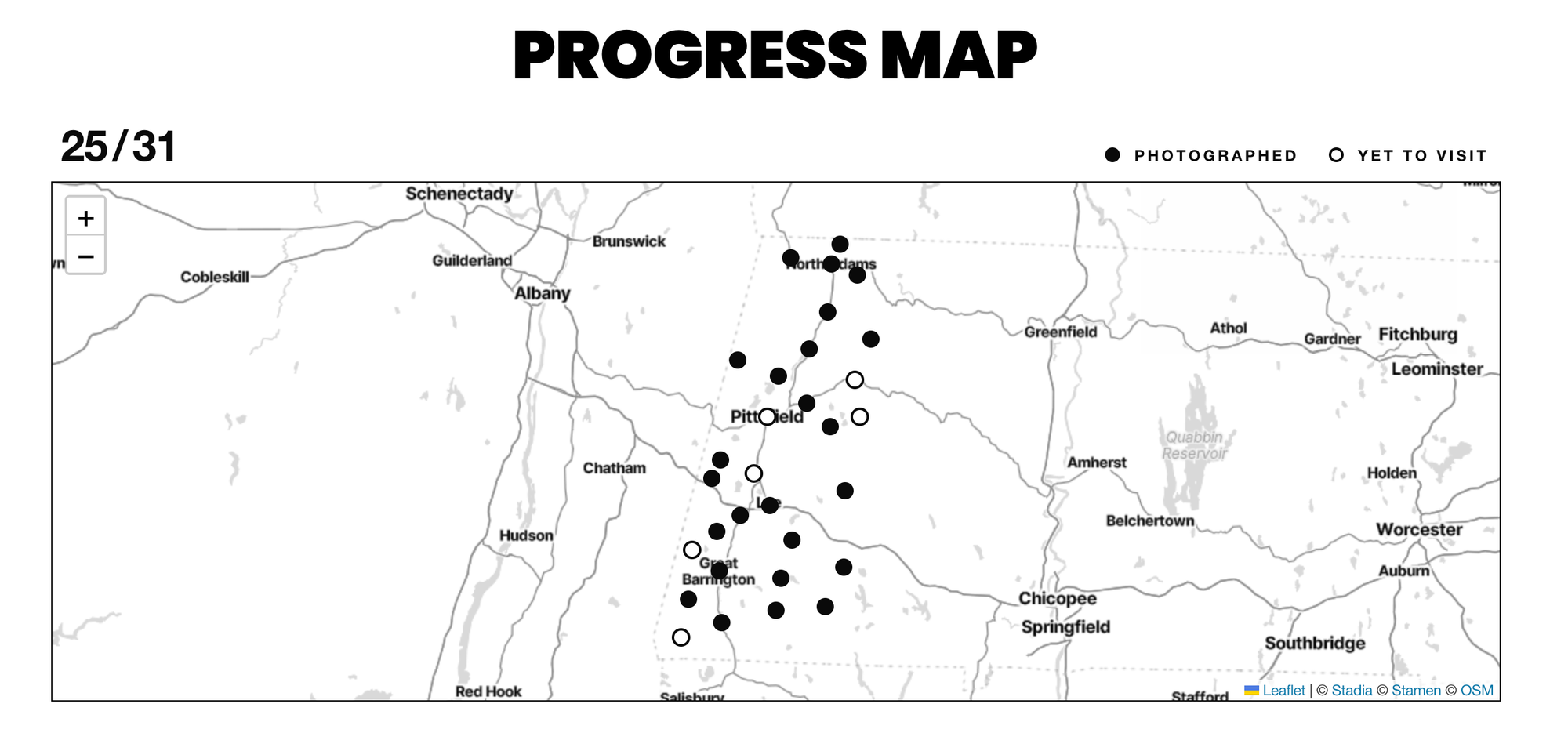
Cary is publishing the all black and white project as she goes—field notes and photographs from each library, posted alongside a running progress map on her website and a journal of the process that skirts the line between journalism and a love letter. Her cataloging process is nearly done and the next phase is the creation of a book and library exhibitions, all in the works for next year. 

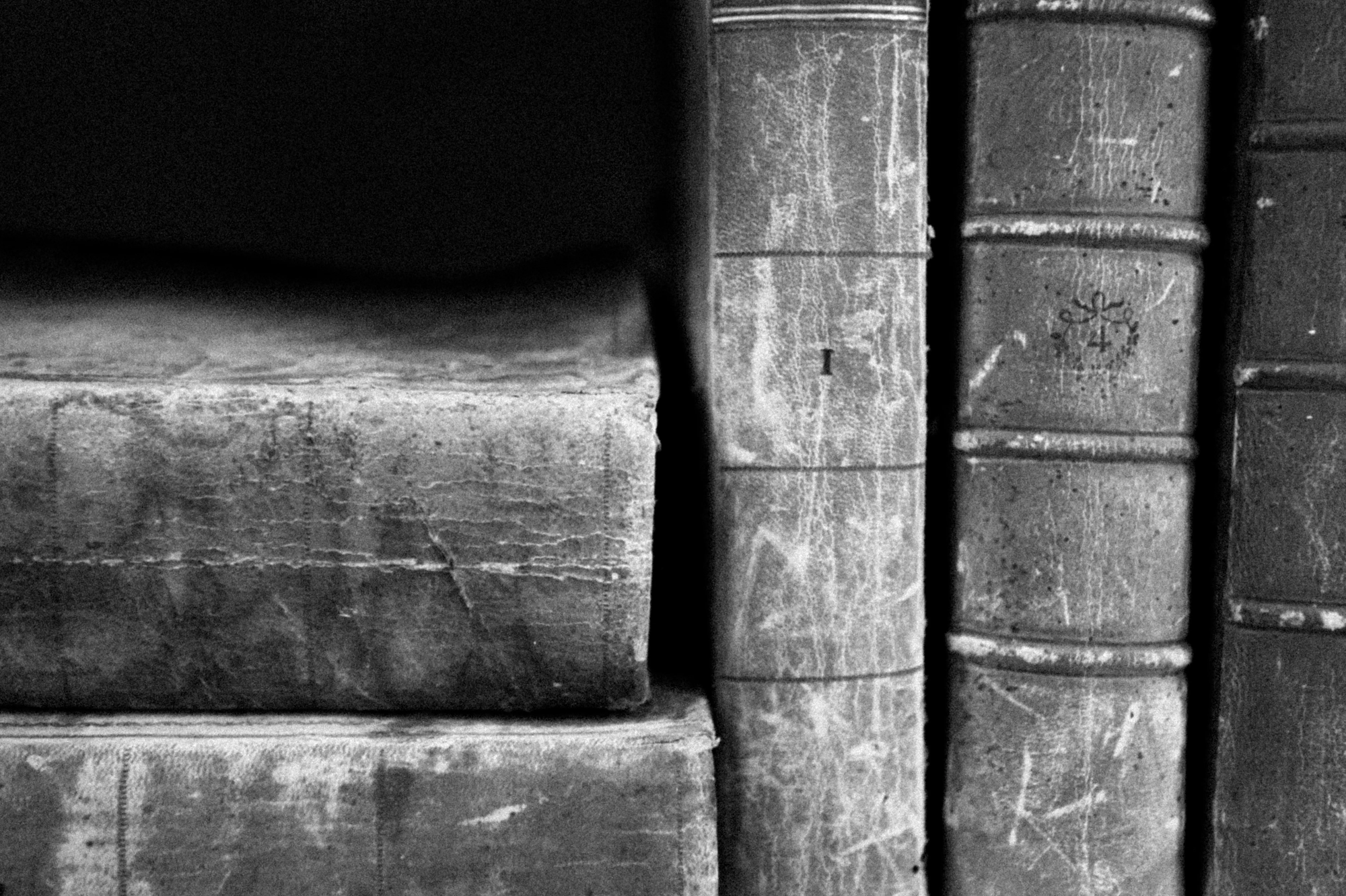
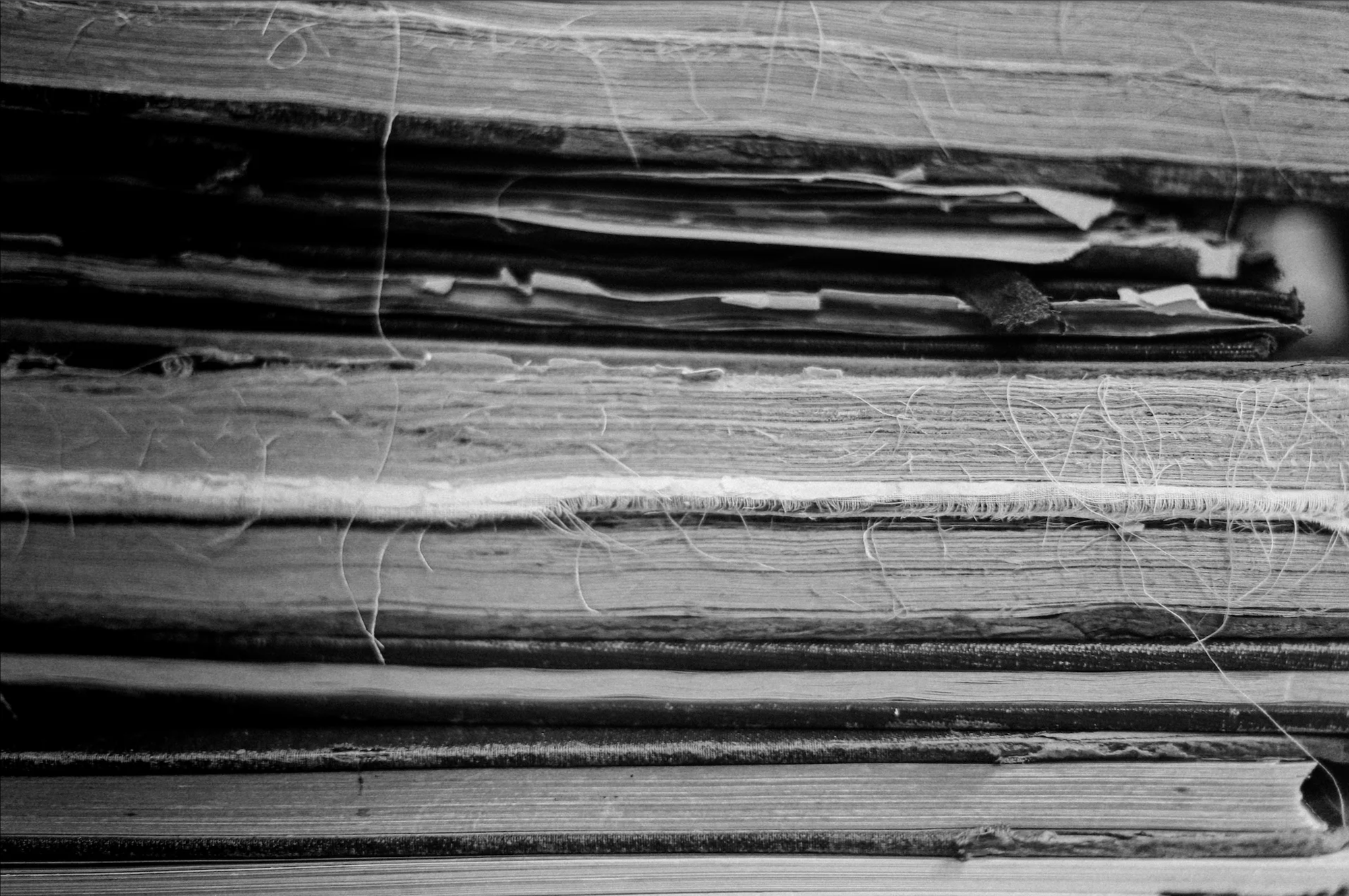
Details capture Cary's attention. Old book spines provide a narrative texture she's particularly drawn to. Image courtesy of Coley Cary.

From Maryland's Regional Systems to the Berkshires' Town Libraries

Cary grew up outside Baltimore and moved to Sheffield five years ago with her young family. What struck her immediately, she says, was something people who grew up here might not think twice about: A culturally distinct public library in nearly every town.

"Berkshire County is so unique and so different from other places," Cary says. "There's this large community, like a county community, and there's all these little towns sprinkled with different things to offer, different kinds of vibes and art and people." Maryland didn't work that way for her. "Where I grew up, it was just so populated, and there weren't these Main Street towns where every library had a story and history," she says. "It was very industrial, overpopulated. Not the slower pace." 

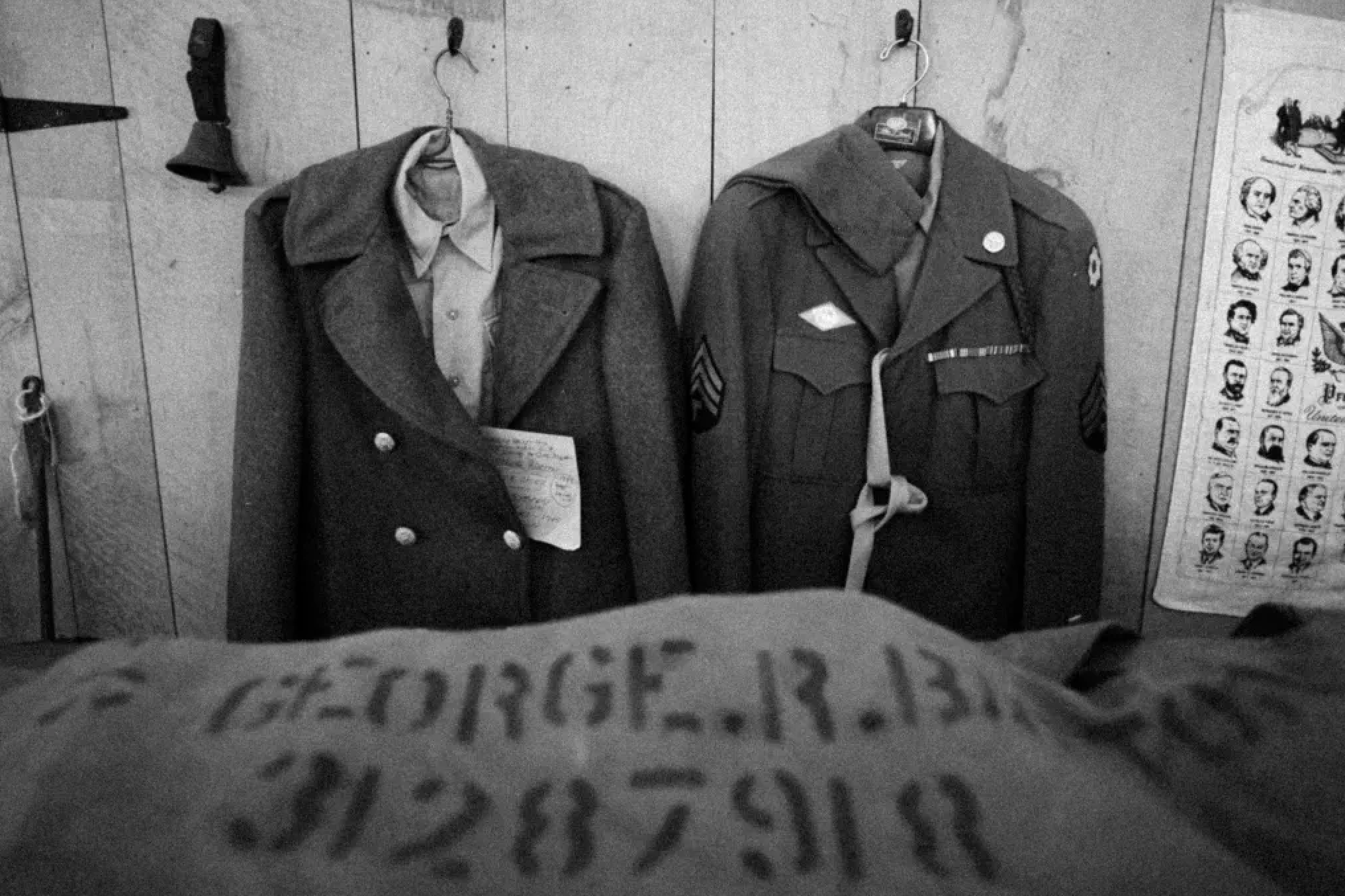
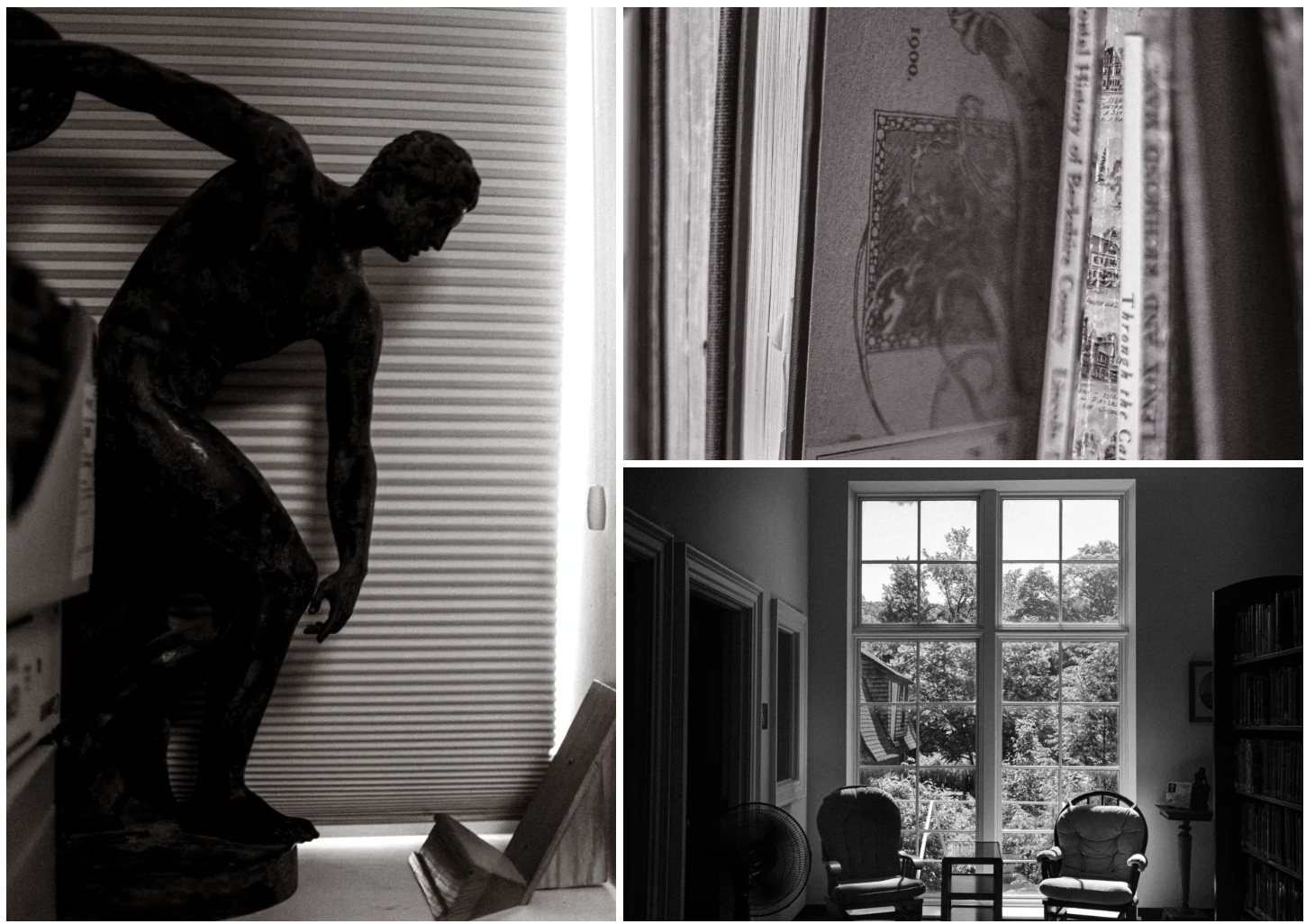
A display of historical artifacts inside the Otis library. Image courtesy of Coley Cary.

The idea for the project came a couple of years ago, written down in a notes app. There wasn't a single library or a single moment that triggered it, she says—just the accumulating sense that this particular concentration of small, individual libraries doesn’t exist anywhere else. "I couldn't do this project in other places," she says.

While that premise can certainly be disputed, given that you can't throw a stone in any of the counties that immediately surround the Berkshires without hitting a handsome old library, Cary’s sentiment seems pure and her documentary art is already being appreciated by the libraries she’s visited.

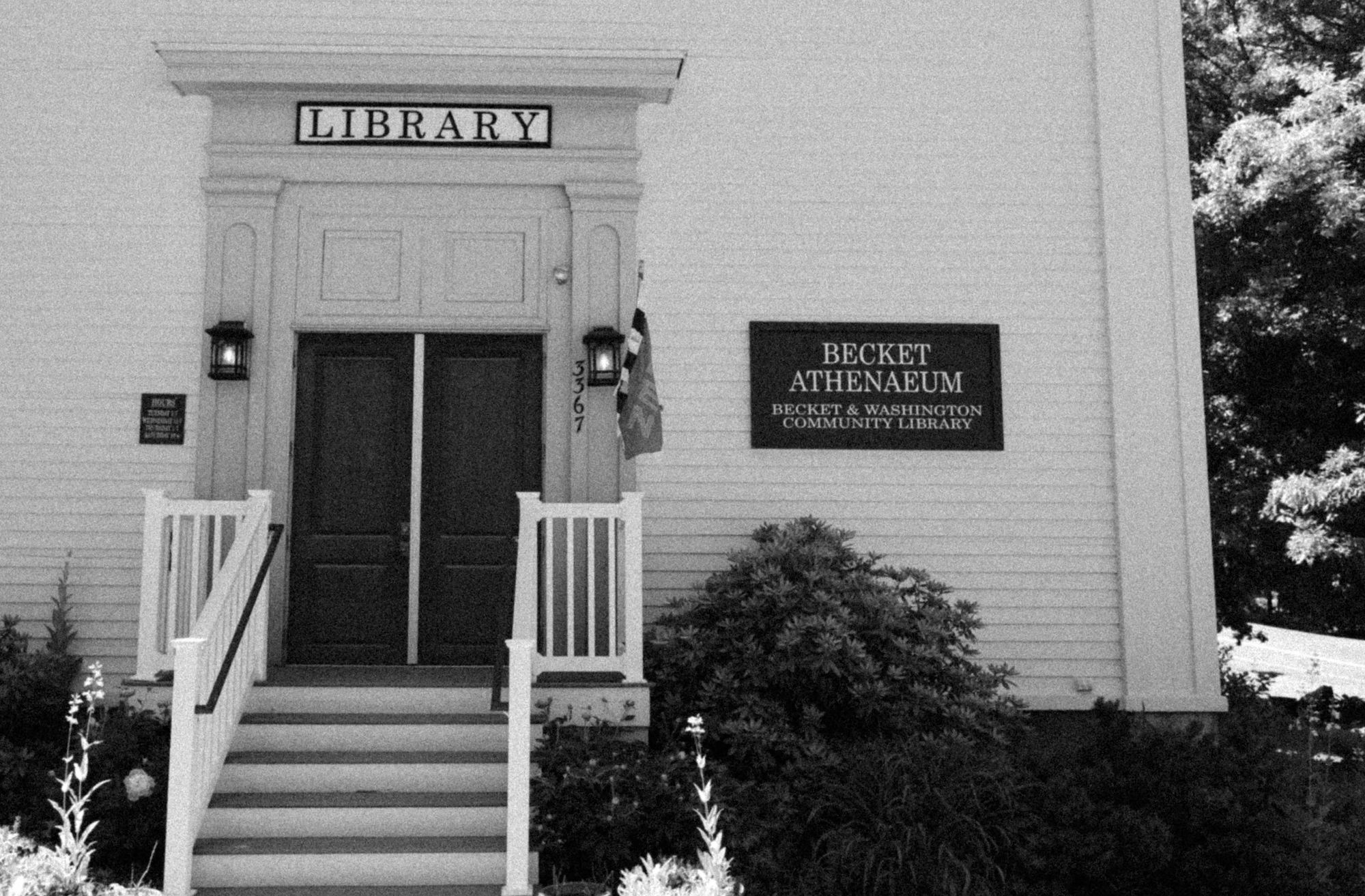
The Becket Athenaeum. Image courtesy of Coley Cary.

Buildings that Speak

Cary's method at each library splits in two: architectural shots of the grand rooms and the small ones, followed by a scavenge for the small details that tell a story—light on a shelf, the grain of old wood, centuries old book spines. She takes around 250 photographs per visit; only a handful make the final cut. "Abundance is not the goal," she wrote in her field notes after shooting Becket Athenaeum, the county's largest library. "Discernment is."

Cary's field notes round out the project. At Egremont Free Library—built in 1831 as a private academy before the town converted it in 1882—she climbed to the second-floor archives with library director Lesliann Furcht, who took her up into the belfry. "It's impossible to go to the library and not run your hands across the wood and pick these objects up and stand there for a moment," Cary said of the visit.

Images courtesy of Coley Cary.

At Becket Athenaeum, she learned of the building's odd inheritance: a woman named Miss Perkins funded the town's original library specifically to replace what she called "a source of evil"—a former saloon—with, in her words, "a fountain of good." At West Stockbridge Library, which Cary describes as the most contemporary-feeling building she's photographed, what struck her first wasn't the light wood shelving or bright color palette but the absence of a smell she'd come to expect elsewhere: "bibliosmia," the scent of old books.

Finding the Librarians

Cary came into the project expecting to document buildings. What she says she's found instead are the people running them. "I thought it was going to be about the libraries," she says, "but it's really about the librarians. They have like 50 million jobs, and what they do for the community and for their libraries is so amazing." 

Image courtesy of Coley Cary.

That reliance has turned up its own small legends along the way—Cathy Buffoni, a Stockbridge library assistant Cary discovered has worked the front desk there for more than 50 years; Rachel Alter at West Stockbridge, who Cary noticed greeting nearly every patron by name, often with a stack of books already waiting for them. "People rely on their librarians far more than they probably realize," Cary wrote after a visit. "Not just for books, but for connection." No patrons (or librarians) appear in any of the photographs.

The Next Chapter

Cary expects to finish shooting the county's remaining libraries by October 1. Then she will spend the fall editing and writing before turning to book production over the winter. She's already got a public calendar taking shape: a talk at Stockbridge Library on November 7 at 3pm, a personal essay on the project due out this winter, an exhibition of the work at Stockbridge Library next May, and additional talks planned at Monterey Library and in North Adams in the spring.

The project isn't purely sentimental. Cary cites data from the Institute of Museum and Library Services showing public library visits nationally have fallen by roughly 49 percent since 2015, and she's built "The Last Quiet Place" as a direct response, with a portion of eventual profits earmarked for the libraries she's photographed. "I just really want people to realize and not take for granted this incredible free resource that everyone has in their community," she says. "It's really just an invitation to visit your local library—not just as a place to check out books, but as a place to learn and grow and connect with your neighbors." In a moment saturated with screens and AI, she says, libraries remain one of the few places left to go to be quiet.

More at coleycary.com and on Instagram.

Share this post

Written by

Jamie Larson
After a decade of writing for RI (along with many other publications and organizations) Jamie took over as editor in 2025. He has a masters in journalism from NYU, a wonderful wife, two kids and a Carolina dog named Zelda.