The Rural We: Rachel Melendez-Mabee
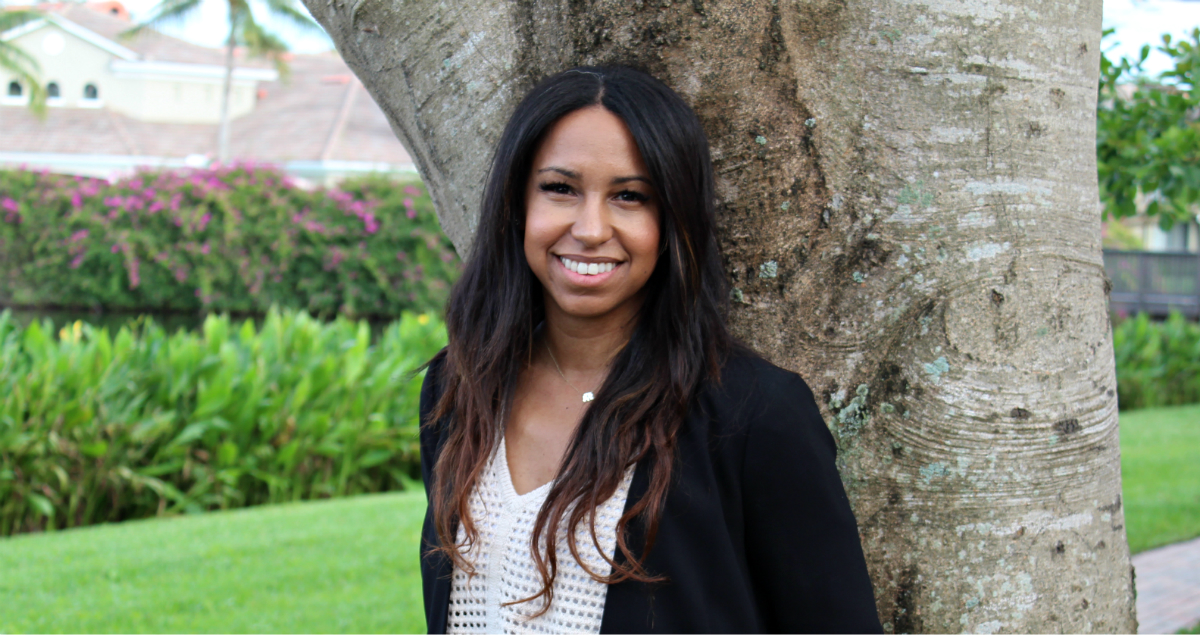
Rachel Melendez-Mabee turned her passion for golf into a career and now uses her position to make the sport more inclusive.

Rachel Melendez-Mabee turned her passion for golf into a career and now uses her position to make the sport more inclusive.
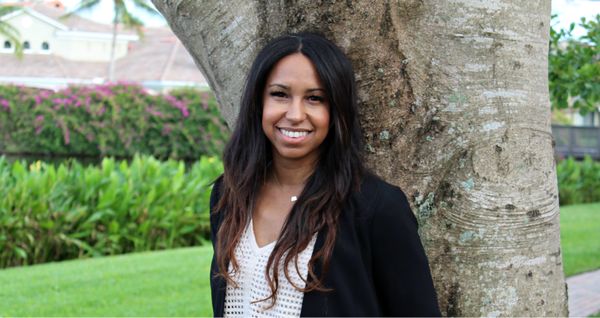
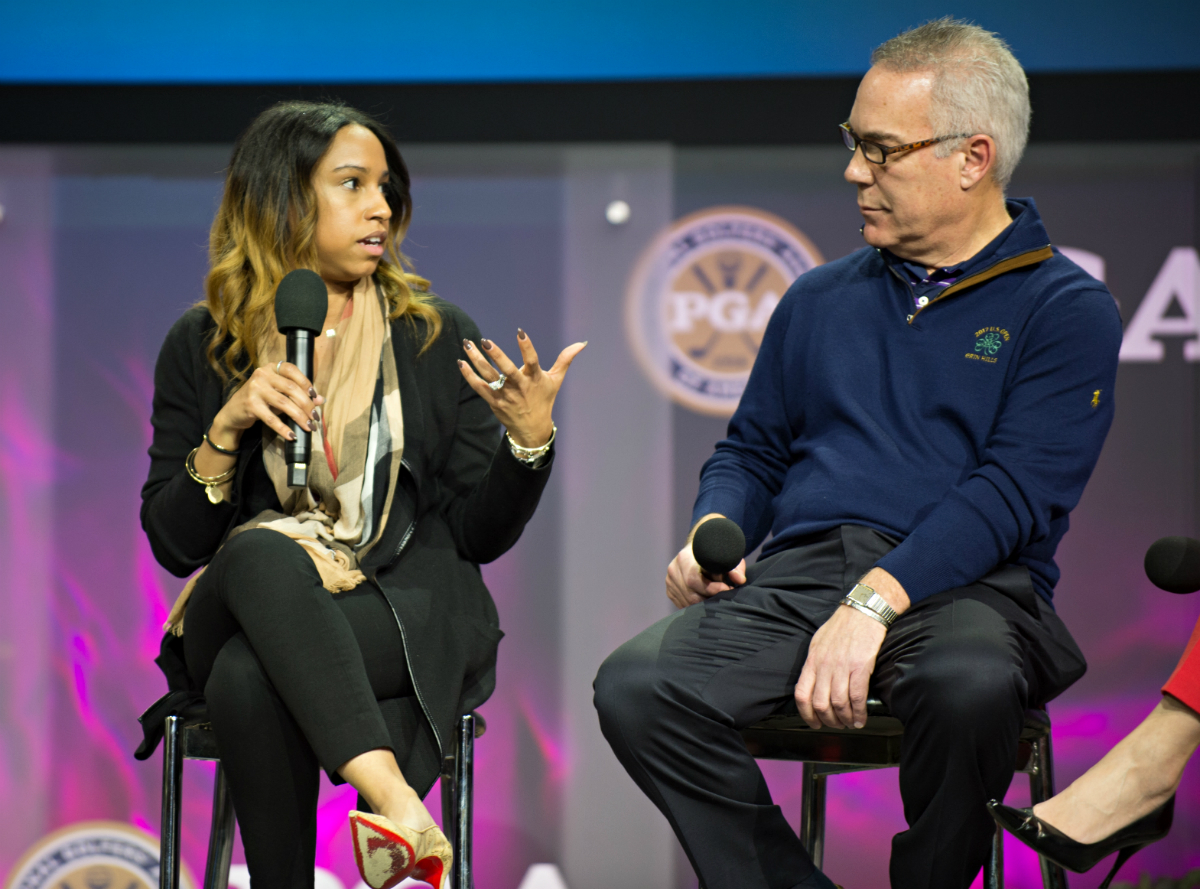
The PGA WORKS program specialist travels the country in an initiative designed to diversify the golf industry's workforce. Closer to home, Melendez-Mabee is a Berkshire Museum board member, has served on the advisory board for Goodwill’s SuitYourself initiative, volunteers with the Elizabeth Freeman Center, and is a graduate of the Berkshire Leadership Program, which she says gave her a new appreciation for where she lives, spurred her community involvement and introduced her to two of her closest friends. Melendez-Mabee is one of the finalists for 1Berkshire’s “Under 40 Changemaker” Award, the winners of which will be announced at its Celebrate the Berkshires event on Thursday, Sept. 26.
I often kid that my mom says I came out the womb with a golf club in my hand. My father was an avid golfer and that was our bond. I played on the collegiate level, and I tried my hand at the professional level, but it wasn’t in the cards.
Given my experiences, knowing how it’s been for me, I’m representative of the fact that you can be in the industry. ‘If you can see it, you can be it.’ I’m a woman of color and an Afro-Latina — my mother is African American and my father was raised in Puerto Rico — so I’ve been facing the headwinds of playing and then working in the industry. It’s powerful to be part of that changing narrative.
I’d worked for the PGA in the championship side since 2010. I moved from Atlanta to Rochester, where I met my husband. He got a job as a golf pro at Pittsfield Country Club and we moved here about six years ago. When I moved to the Berkshires, I worked locally at Berkshire Bank. When my former boss took over PGA REACH and told me about PGA WORKS, I was all in.
My job is to disrupt the narrative of what golf is. It’s homogeneous and we’re working to change the “vortex of sameness” and being intentional with our work to diversify the workforce. That means attracting and engaging diverse audiences. You hear a lot about diversity, but we’re doing an equally good job at inclusion, by inviting them in. There’s something about the power of invitation.
They’ve been intentional in the design and outreach, and with that comes grassroots efforts. What we’re doing, whether it’s a fellowship or a scholarship, you can’t just post it online and hope people will come, you have to educate and be where they are. We’re partners with HBCUs [Historically Black Colleges and Universities] and the Thurgood Marshall Institute and students come seeking employment. Being visible is the first step in being meaningful. We’ve found way more success being on site. With that comes a lot of travel, but I love it. I love what I do.
I was so pleasantly surprised at the interest at a recent college event, where we had a line at our booth. People were saying, “I had no idea that as a marketing person, I could be in this business.” It’s a sport, but it’s also a business so there’s finance people, lawyers, engineers, and so much on the back-end of the business. That’s the beauty of the program, the fellowships offer true immersion into the industry, everything from social media to tournament operations.
The fellowships are fully paid by the foundation, and they’re located at PGA section offices around the country, of which there are 41 in total, and we want to have fellowships in each section. I’m cautiously optimistic that that will happen in the next couple of years.
There’s something my boss calls ‘micro-moments of inclusion.’ Even small things like the feedback on social channels are a win. It’s a hard barrier to break down when it’s been a white man’s sport for so long. It’s never going to happen overnight, and we’re realistic in that sentiment, but we’ve had 10 PGA WORKS fellows and 9 were placed in full-time positions, so that’s 9 more people of color and women in positions. A lot of times, am I still the only woman of color in the board room, yes, but not always, and people are listening.