This Weekend, Bard Holds Festival for a Composer the Nazis Tried to Erase
The Gernsheim Rediscovery Initiative opens with a festival running Friday through Sunday, September 18–20, on Bard's Annandale-on-Hudson campus—the first public move in a multi-year effort to bring a forgotten peer of Brahms back into the classical repertoire.
This Friday through Sunday, September 18 through 20, Bard College's campus in Annandale-on-Hudson hosts The Gernsheim Festival: Rediscovering a Master, three days of orchestra and chamber concerts, and a panel discussion marking the public launch of the Gernsheim Rediscovery Initiative—a multi-year project aimed at restoring the German composer Friedrich Gernsheim to a repertoire he was forced out of nearly a century ago.
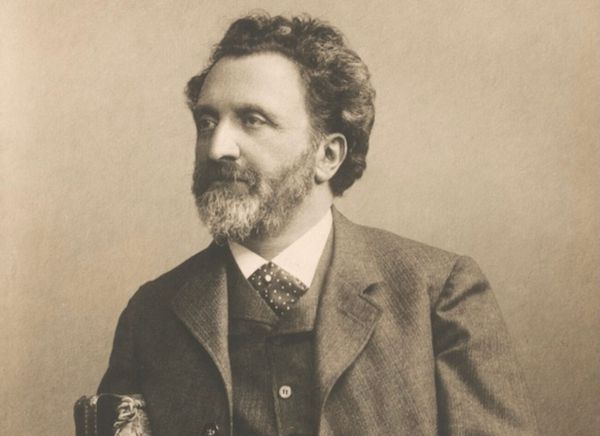
Acording to the initiative, for roughly 30 years after his death, Gernsheim wasn't merely overlooked. He was deliberately erased. The Nazi regime banned his music in the 1930s, pulled his papers and his one published biography from German libraries, and blacklisted his name in a 1940 propaganda catalog of Jewish musicians called the Lexikon der Juden in der Musik. A composer who had spent decades as a peer to Johannes Brahms (the two men corresponded for years and leaned on each other after losing their fathers within four days of each other in 1871) simply stopped existing in the German musical canon.
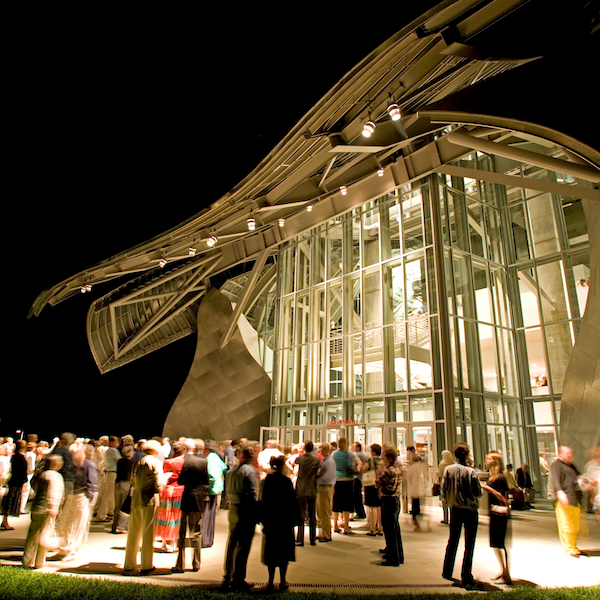
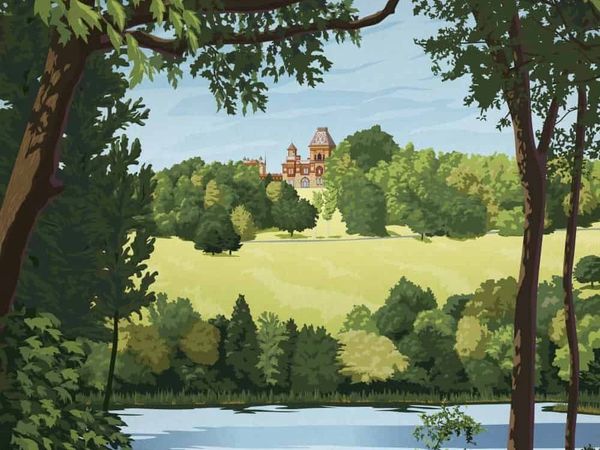
The Fisher Center.
The initiative is run through Bard's graduate performance program, The Orchestra Now (TŌN), funded by a grant from E&V ProArte and aimed at restoring Gernsheim's standing as a serious composer worth programming again—not just this weekend, but in concert halls everywhere.
A Silencing
Gernsheim was born in Worms in 1839 to a prominent Jewish physician, and by and spent formative years in Paris rubbing shoulders with well known contemporaries. He built a substantial career as a conductor and teacher, holding posts in Saarbrücken, Cologne, Rotterdam, and finally Berlin, where he became director of a master class in composition at the Prussian Academy of Fine Arts. Among his Cologne Conservatory students was a young Engelbert Humperdinck, who would go on to write Hansel and Gretel.
His friendship with Brahms began in Leipzig in the 1850s and lasted the rest of their lives; in 1870, in the middle of the Franco-Prussian War, Gernsheim conducted Brahms's A German Requiem in Cologne, and a surviving letter shows Brahms was genuinely moved by his friend's conducting of it, not just the performance itself. Gernsheim's own catalog including four symphonies along with chamber music, cantatas, and more. His Third Symphony, subtitled "Song of Miriam," draws on Jewish subject matter directly. He died in Berlin in September 1916, at 75.
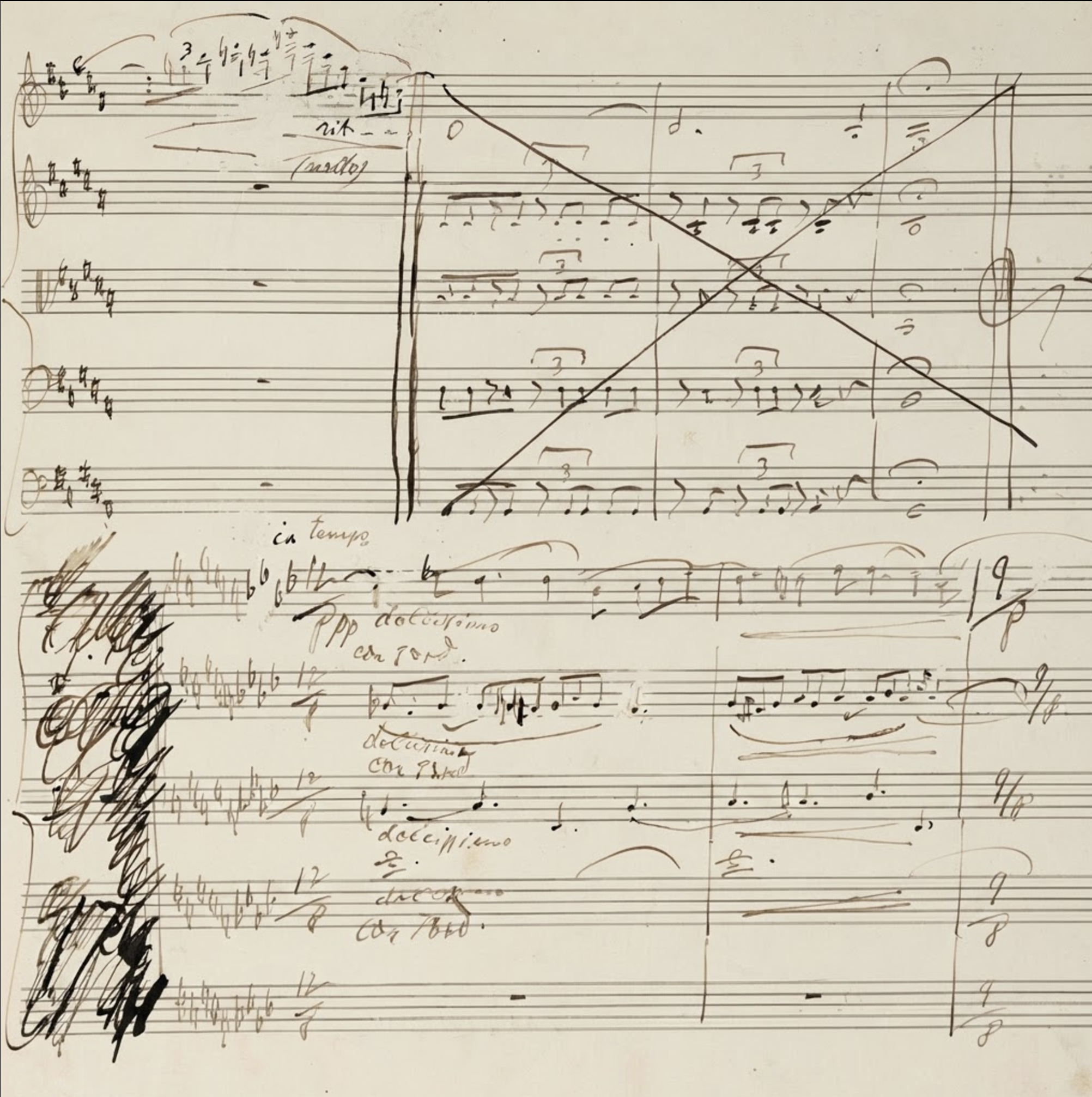
The erasure that followed was thorough by design. His work was banned outright under the Nazis; the one biography of him, published by Karl Holl in 1928, disappeared from circulation; and for three decades afterward, there was effectively no path back into the repertoire for a composer who was once well-established and connected in his own time. The bulk of his surviving papers and manuscripts weren't rescued until 1966.
The Festival
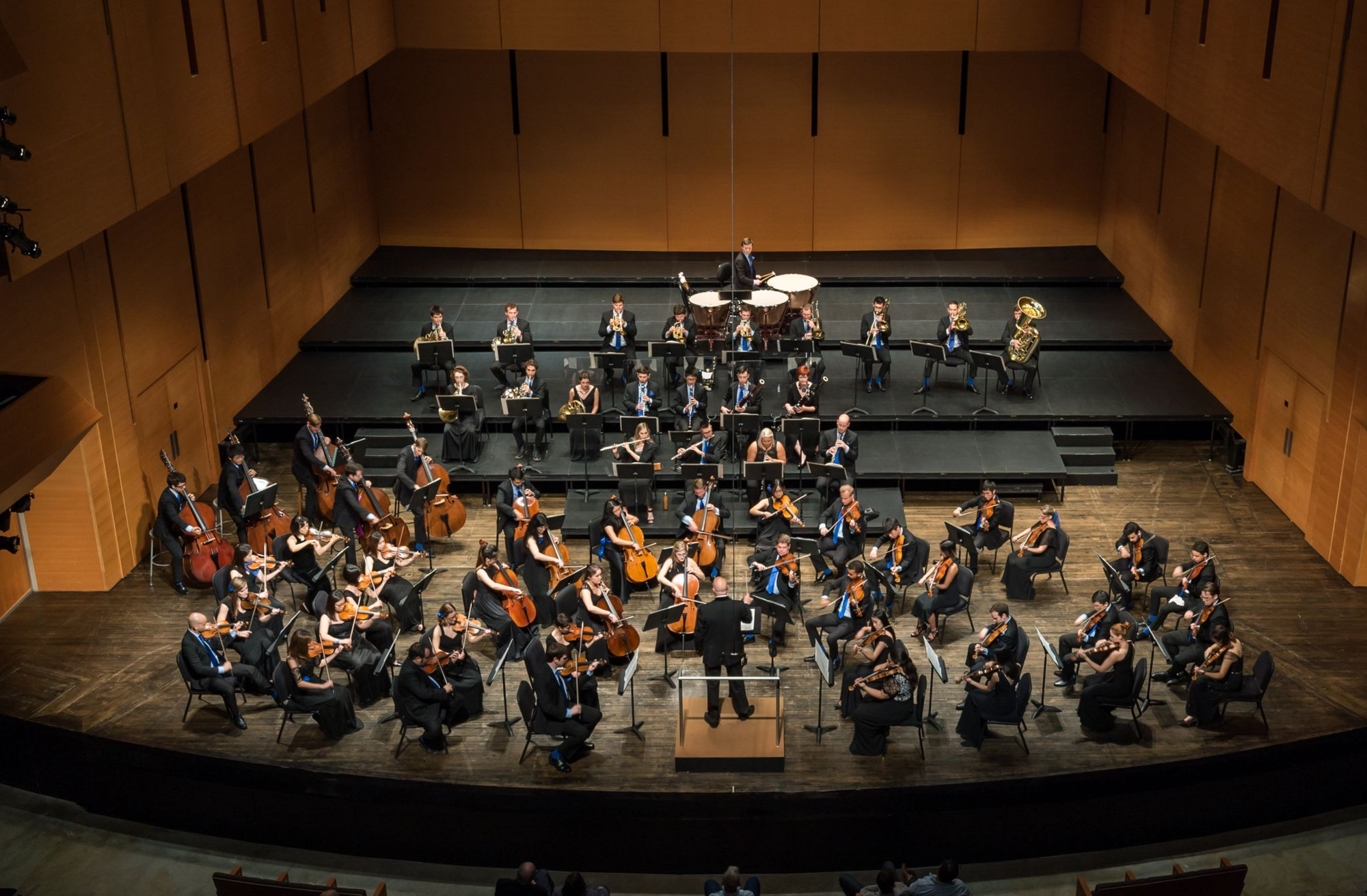
Leon Botstein, Former Bard president, and TŌN's founder, conducts Friday and Saturday, September 18 and 19, both at 7pm at the Fisher Center. TŌN will introduce the audience to Gernsheim's Zu einem Drama and his Third Symphony alongside Brahms's First Piano Concerto, with pianist Orion Weiss. A panel discussion on Gernsheim's life and legacy follows Saturday at 11am in Olin Hall, with Botstein joined by Enrique Lombrozo and Peter Laki, among others. Two chamber concerts round out the weekend: Gernsheim's Piano Quartet No. 3 and Piano Quintet No. 2, played by TŌN's chamber players and pianist Francis Chung-Yang Huang, Saturday at 1pm in Olin Hall; and his String Quartet No. 2 and String Quintet No. 2 on Sunday at 11am, also in Olin Hall.
TON performs at the Fisher Center.Photo by Matt Dine.
"The Gernsheim Rediscovery Initiative is an extraordinary opportunity for TŌN and our musicians," says Kristin Roca, TŌN executive director. "We believe the next generation of artists must be more than exceptional performers—they must be ambassadors for music, inspiring curiosity, creating connections, and championing works that deserve to be heard. We are thrilled that our students are leading the rediscovery of Friedrich Gernsheim's extraordinary music."
The festival is the visible opening of a longer project too. Over the next three years, TŌN plans additional concerts, a new studio recording, and further panel discussions aimed at building an actual case for Gernsheim in concert halls beyond Bard's own campus.
Fisher Center at Bard and Olin Hall, Bard College, 30 Campus Road, Annandale-on-Hudson, NY 12504
After a decade of writing for RI (along with many other publications and organizations) Jamie took over as editor in 2025. He has a masters in journalism from NYU, a wonderful wife, two kids and a Carolina dog named Zelda.