UFOs Land at Tanglewood, in Performance Referencing 1969 Local Sightings
“Mirage,” a composition by Daniel Wohl, will be performed at Tanglewood’s Linde Center by contemporary quartet Hub New Music.

“Mirage,” a composition by Daniel Wohl, will be performed at Tanglewood’s Linde Center by contemporary quartet Hub New Music.
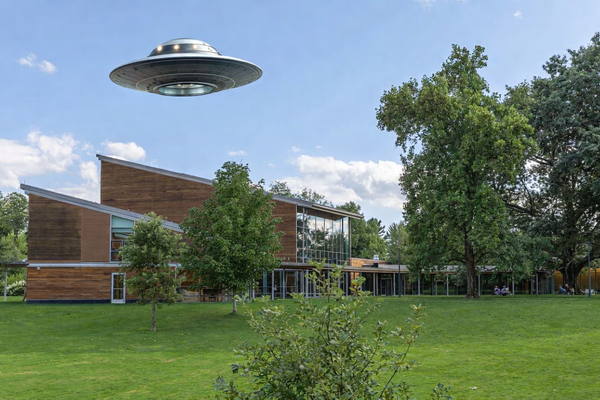
One late summer night in the Berkshires in 1969, dozens (by some counts hundreds) of people reported seeing the same thing move through the sky: a large, silent object tracked across multiple towns by people who didn’t know each other and couldn’t explain what they saw. More than 50 years later, the story still hangs over the region.
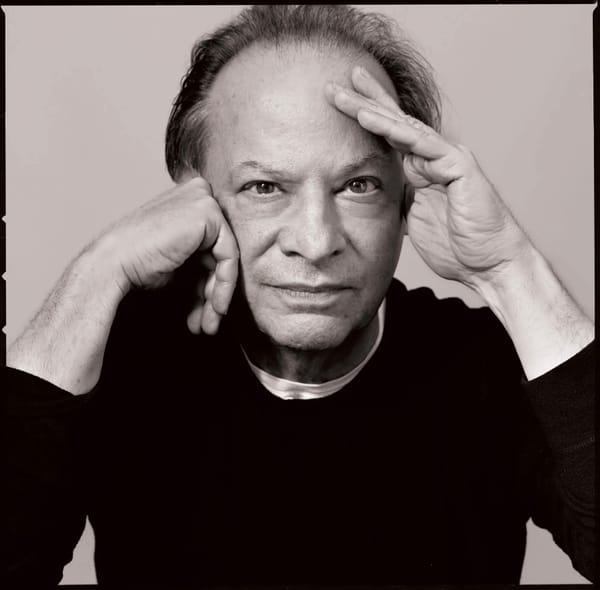
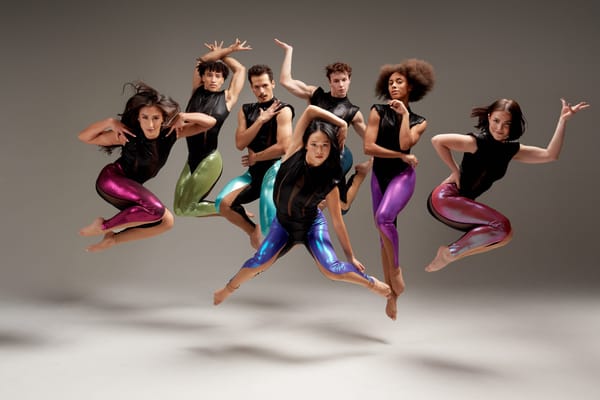
On May 1 at 7pm at Tanglewood, that history becomes part of a new work. “Mirage,” a composition by Daniel Wohl, will be performed at Tanglewood’s Linde Center by contemporary quartet Hub New Music (flute, clarinet, violin, and cello,) with Wohl on electronics.
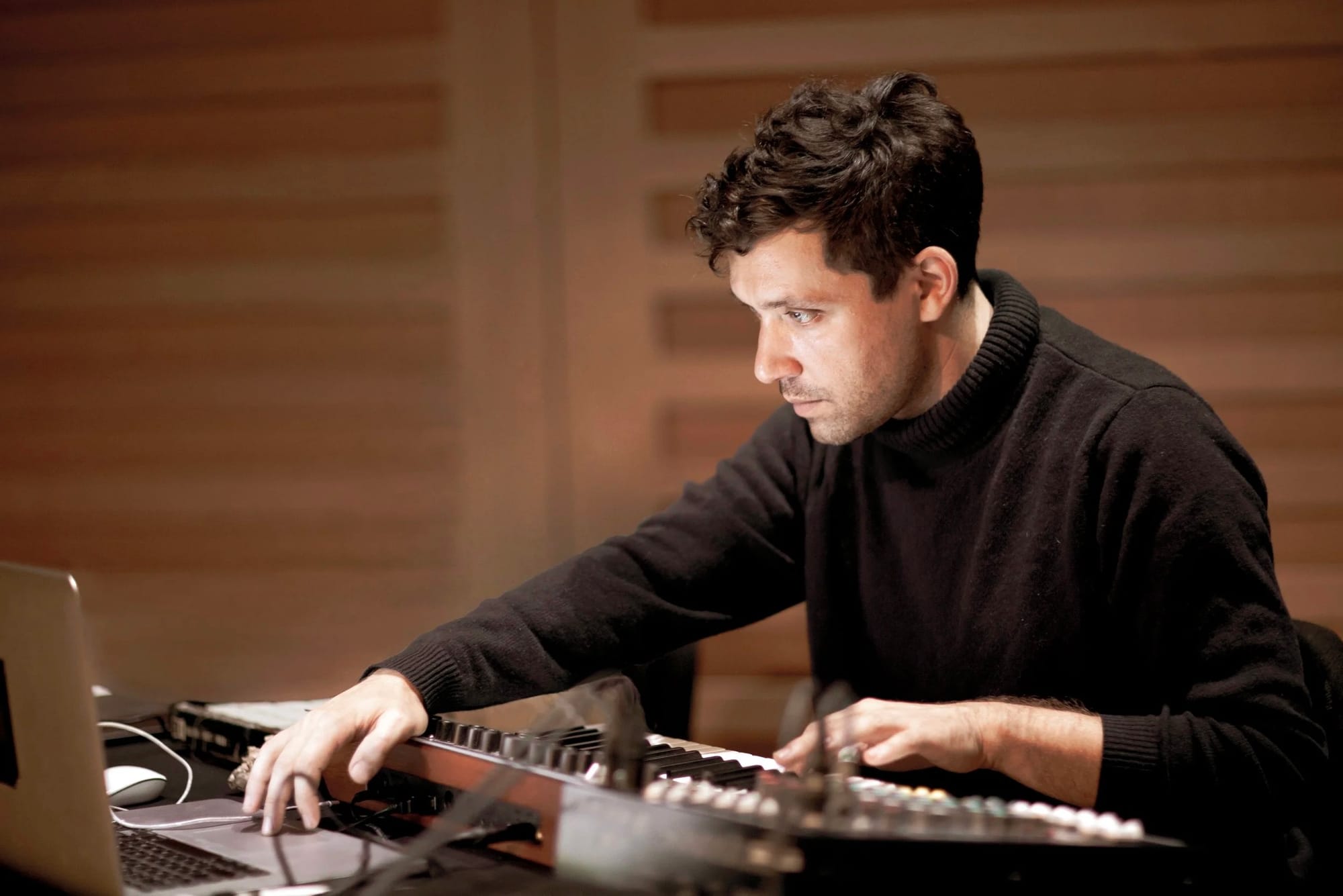
The piece is built around UFOs, but not just in a literal sense. Wohl describes it as a set of questions:hether sightings are products of our imagination or something truly alien? What in our psyche draws us to look for them in the first place? Why has the idea of visitors from outer space always captivated us so, down deep to our evolutionary and spiritual essence?
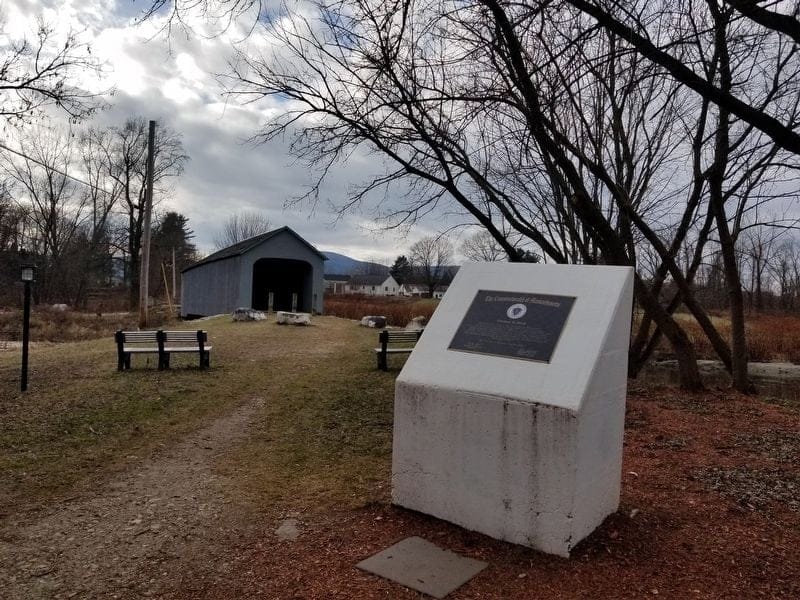
When Wohl and Hub first developed the project, and even in early conversations with Tanglewood, they were unaware of the 1969 Berkshire sightings. Once they learned about them, they began incorporating that history into the piece itself.
The connection came through Hub flutist Michael Avitabile, who was discussing the piece with Tanglewood Learning Institute (TLI) artistic administrator Mark Rulison when the local history surfaced. Avitabile began reading accounts of the sightings and was struck by the contrast with his own perception of the region. He had always thought of the Berkshires as “this beautiful, idyllic place,” he says, not “a hot spot for UFO sightings.”
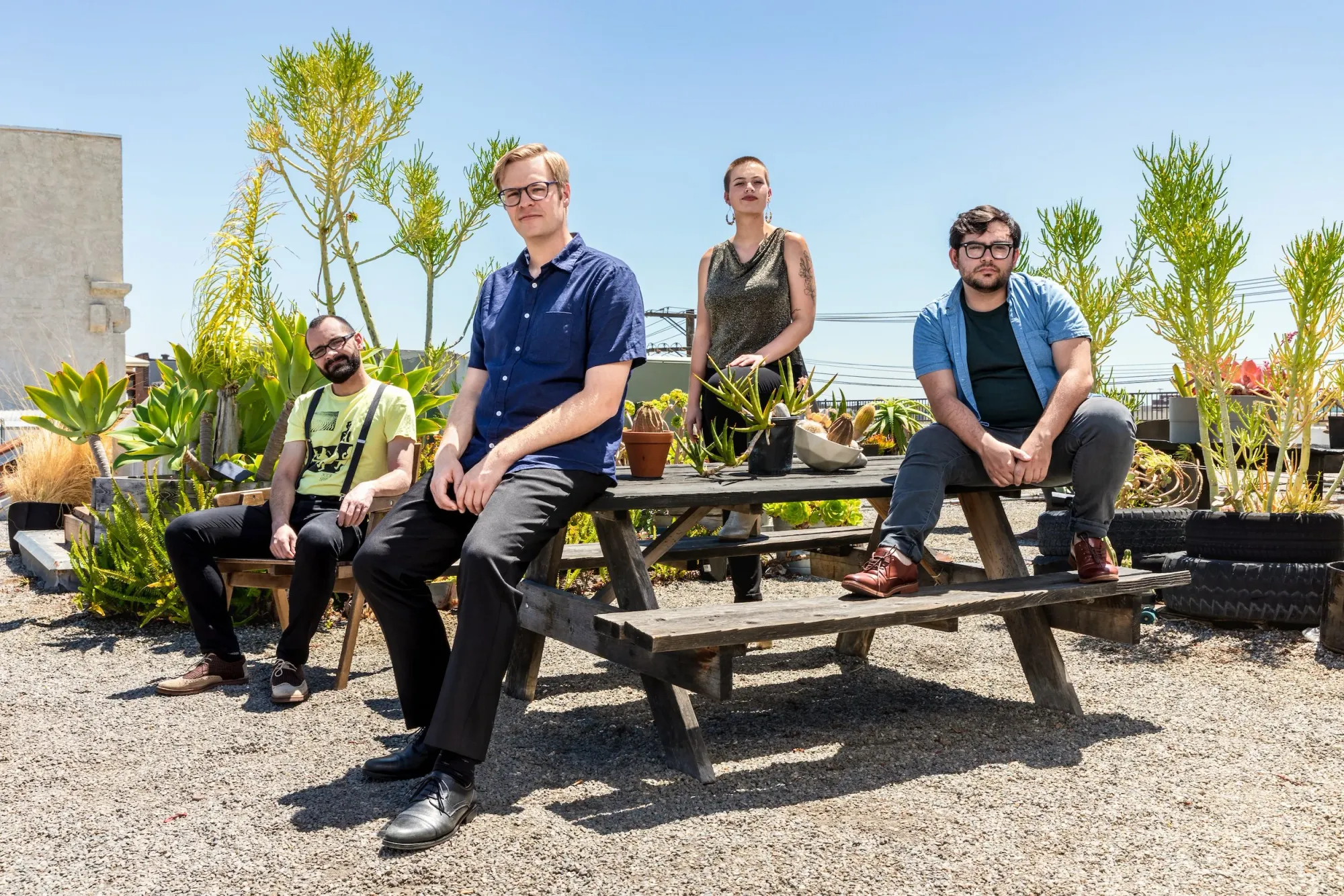
For Rulison, the local story adds depth to the program. His goal at TLI, he says, is to connect “music that’s new with things that have ties to the community.” One movement of “Mirage” now draws inspiration directly from the 1969 reports.
After the concert, cloud cover permitting, local astronomer Rick Costello will bring the audience outside to stargaze. He will focus his wealth of interstellar knowledge on features in the night sky that have lore and potential evidence related to UFOs and ETs.
Wohl’s compositional approach to the subject centers on experiential sound rather than direct narrative. He describes working with “white noise, like radio static,” and the idea of “transmitting a frequency where you’re searching for answers,” he says, with the music “coming in and out, like a signal.”
That idea shapes the structure of the piece. Sounds emerge, drop out, and return in altered form. The combination of live instruments and electronics blurs what is being played and what is being processed.
Avitabile describes passages that feel familiar but don’t resolve. There are high, echoing lines, isolated instrumental voices, and percussive sounds that suggest language, but never settle into anything fixed. At times, he says, it can feel “like a different language that we’re deciphering.”
For Avitabile, the idea that this kind of work sits outside the classical tradition is a misunderstanding of the tradition itself. “I don’t see what we do as a separate genre,” he says. “It’s just a continuation…an expansion of it.”
That perspective aligns with Tanglewood’s history. The Boston Symphony has long presented new work alongside established repertoire, including premieres that later became standards. In that context, “Mirage” is part of an ongoing cycle—new work entering an institution built on older work.
The musicians themselves come out of that same tradition. Their shift toward contemporary composition is not a rejection of it, but an extension of it, using different tools and references.
Wohl’s interest in UFOs is less about the phenomenon itself than about why it persists. He describes it as a way of thinking about belief, pointing to “hope and fear and wonder…things that we’ve lost…that we’re trying to get back.”
The goal isn’t to explain anything, but to create a temporary shift in attention. Avitabile says the piece aims to give listeners “an hour where they feel kind of suspended, a little more in awe, a little more inspired. Everybody seems to look up when they want an answer.”
That impulse echoes back to the Berkshires in 1969, when people across the region reported seeing the same unexplained object moving overhead. “Mirage” doesn’t try to explain what they saw. It returns to the same position: looking up.