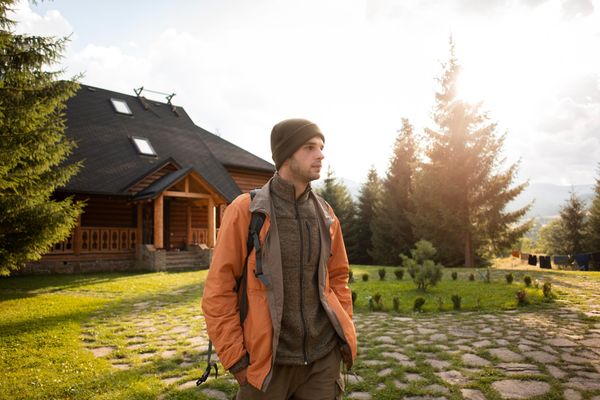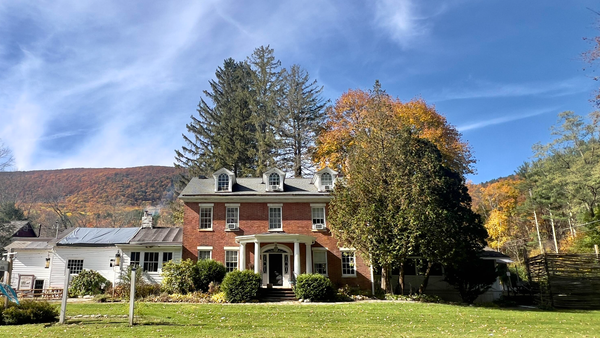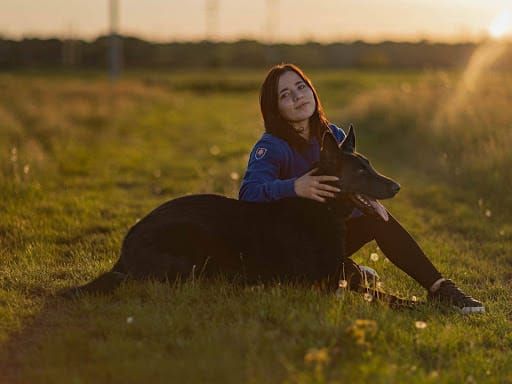
On a Friday afternoon on the Taconic, the dog in the back of the car knows where you are headed before anyone says a word. By Sunday night it will be back in the lobby, waiting for the elevator.For families who split the week between the city and a house in the Hudson Valley, Columbia County or the Berkshires, a protection dog lives two lives.
Two homes, one set of rules
On its page about protection dogs for sale in New York, Slovak Protection Dogs USA sums up the city side in one line: a protection dog there "usually lives without a yard, and has an elevator, a lobby full of strangers and a sidewalk instead." In the country, the same dog has open fields, a long driveway and neighbors it may never see.
Keep everything you can the same in both places. Use the same commands, word for word, in the apartment and at the house, and make sure every adult who handles the dog uses them the same way. Keep a second bed, bowls and a leash at the country house, so the dog's things are already in place when it walks in on Friday.
Choose a dog that handles change
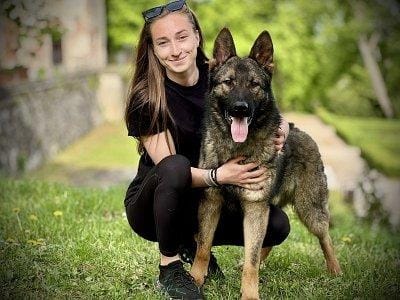
Once a list of the best protection dogs has helped you settle on a breed, look at the individual dog. A family that drives out of the city every Friday needs a dog that copes when its surroundings change twice a week.
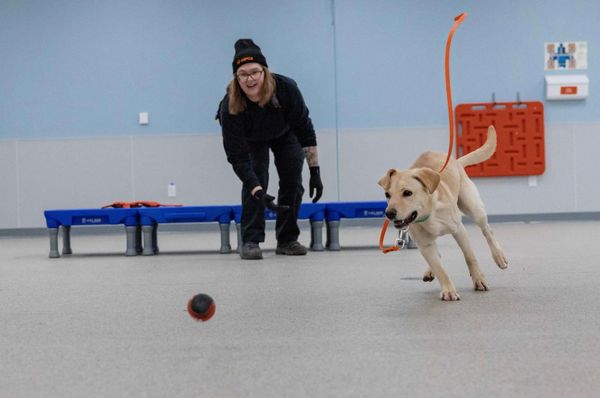
Ask the trainer how the dog was chosen and where it has been tested, and how it behaves with children in the car and in a house full of weekend guests. Slovak Protection Dogs assesses 100 or more German Shepherd puppies, and 12 of them come to its center in Slovakia for training. It tests its dogs in houses, cars, crowds and unfamiliar streets. For any dog you consider, ask how long it has ridden in a car at one time, and how it settled afterward.
The drive is part of the routine
A long drive each way, every weekend, adds up. Treat it as part of the dog's week:
- Use a crate that is secured in the car or a harness made for car travel. A loose dog can be thrown forward in a sudden stop.
- Walk the dog before you leave and plan one stop on the way, somewhere away from traffic.
- Keep a bag for the dog in the car with water, a bowl, a leash, waste bags and a copy of its records.
The land, the neighbors and their animals
A country house that stands empty from Monday to Friday changes while you are away. Before you let the dog out on Friday night, walk the yard with a flashlight and look for anything new: a gate a contractor left open, a branch down on the fence, rodent bait a caretaker set out.
Meet the neighbors early, especially the ones with sheep, goats or chickens. A dog that has never seen livestock may want to chase them, so keep it on a leash near their animals, even once its recall is reliable. Ask the town clerk about local leash rules and dog licensing.
Ticks, hunting season and the woods
The Hudson Valley, the Berkshires and northwest Connecticut are tick country, and Lyme disease is common in all three states. Tell your veterinarian in the city about the country house, because a dog that walks only on sidewalks during the week still needs tick prevention for the weekends. Before the dog gets back in the car on Sunday, check its coat, so no ticks travel back to the apartment with it.
Find out when hunting seasons open on and around your land, in the spring as well as the fall, since turkey season runs in both. During those weeks, put a blaze orange vest on the dog and on yourself for walks in the woods, and keep the dog on a leash.
A vet in each place
Register the dog with a veterinarian in the city and another near the country house, and find out which emergency clinic in that area is open on weekends, since those are the days you will be there. Keep the dog's vaccination records on your phone. If the dog was trained abroad, ask where its microchip is registered, add it to a US registry under a number you always answer and put that number on the tag. The two vets should know about each other, so either one can pick up the history quickly.