Lofty Supply: The High Highs and Devastating Lows of Launching a Farmstand-Style Cannabis Microbusiness
After years of red tape and the sudden death of her partner, Owner Erin Moylan looks to grow community, education, and agricultural connection.

After years of red tape and the sudden death of her partner, Owner Erin Moylan looks to grow community, education, and agricultural connection.
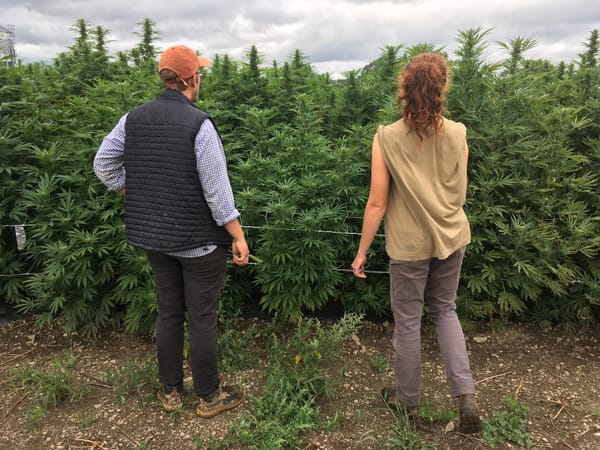
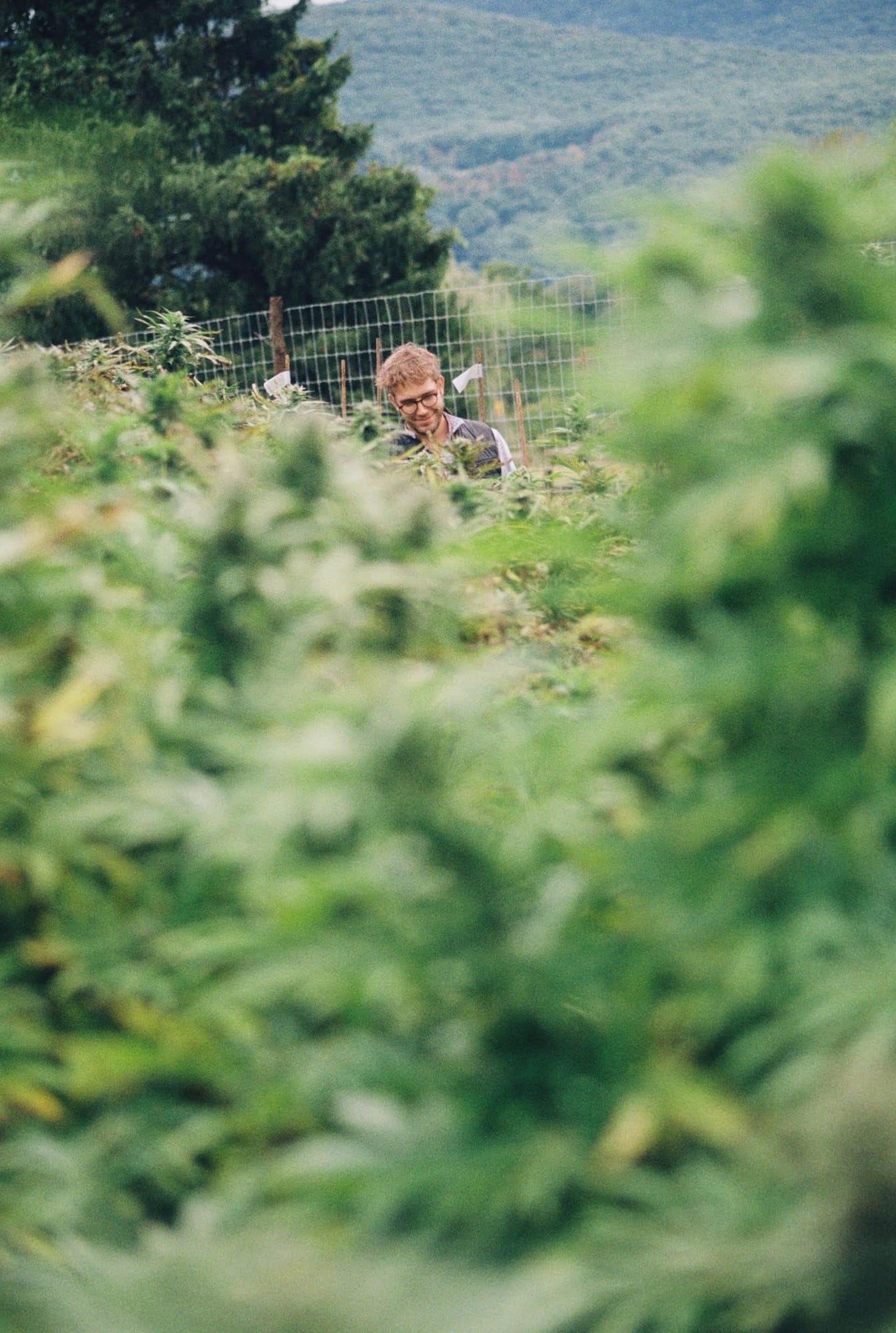
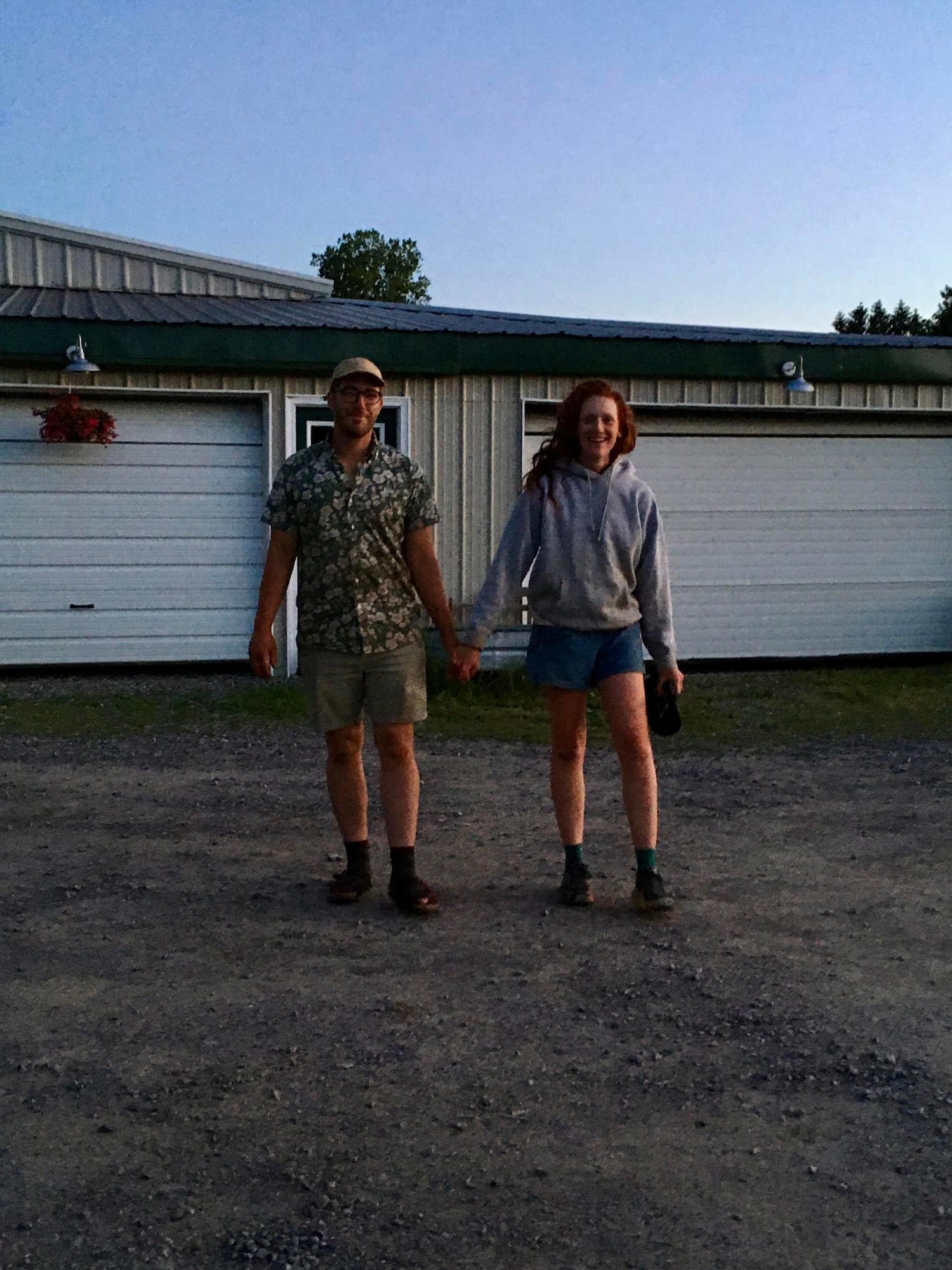
Lofty founders Erin Moylan and Ryan Ebert admire their crop in Copake. Photos provided courtesy of Lofty Supply.
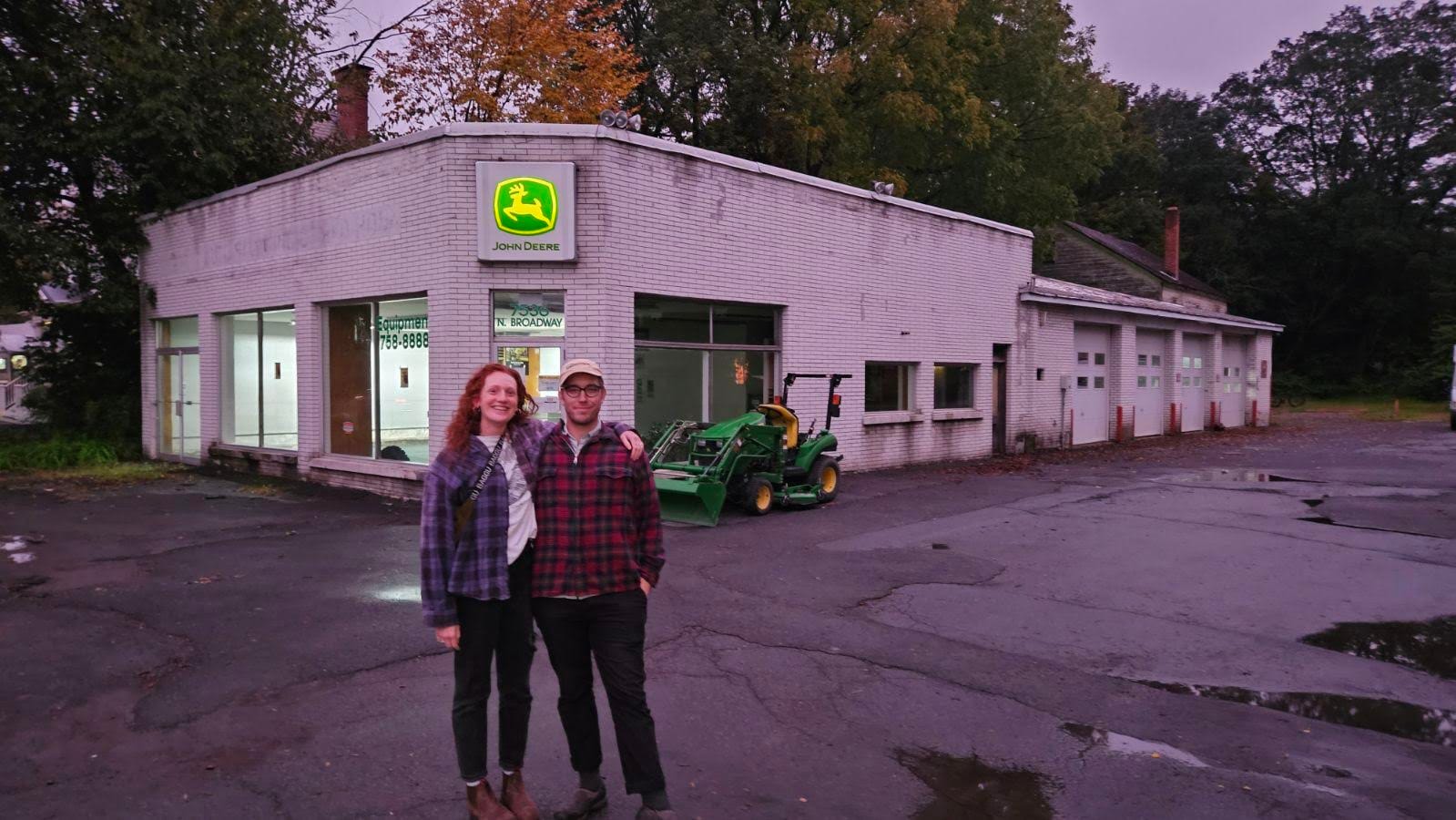
When Lofty Supply opened its glass doors last fall on Route 9 in Red Hook, it arrived as something uncommon in the industry: a cannabis dispensary started not with corporate ambition or venture capital but in soil, cooperation, and an agrarian sensibility that would fit right in at any local farmers’ market. Low in capital and licensing tier, Lofty runs on the persistence and sweat equity of its owner, Erin Moylan, and her small, dedicated team.
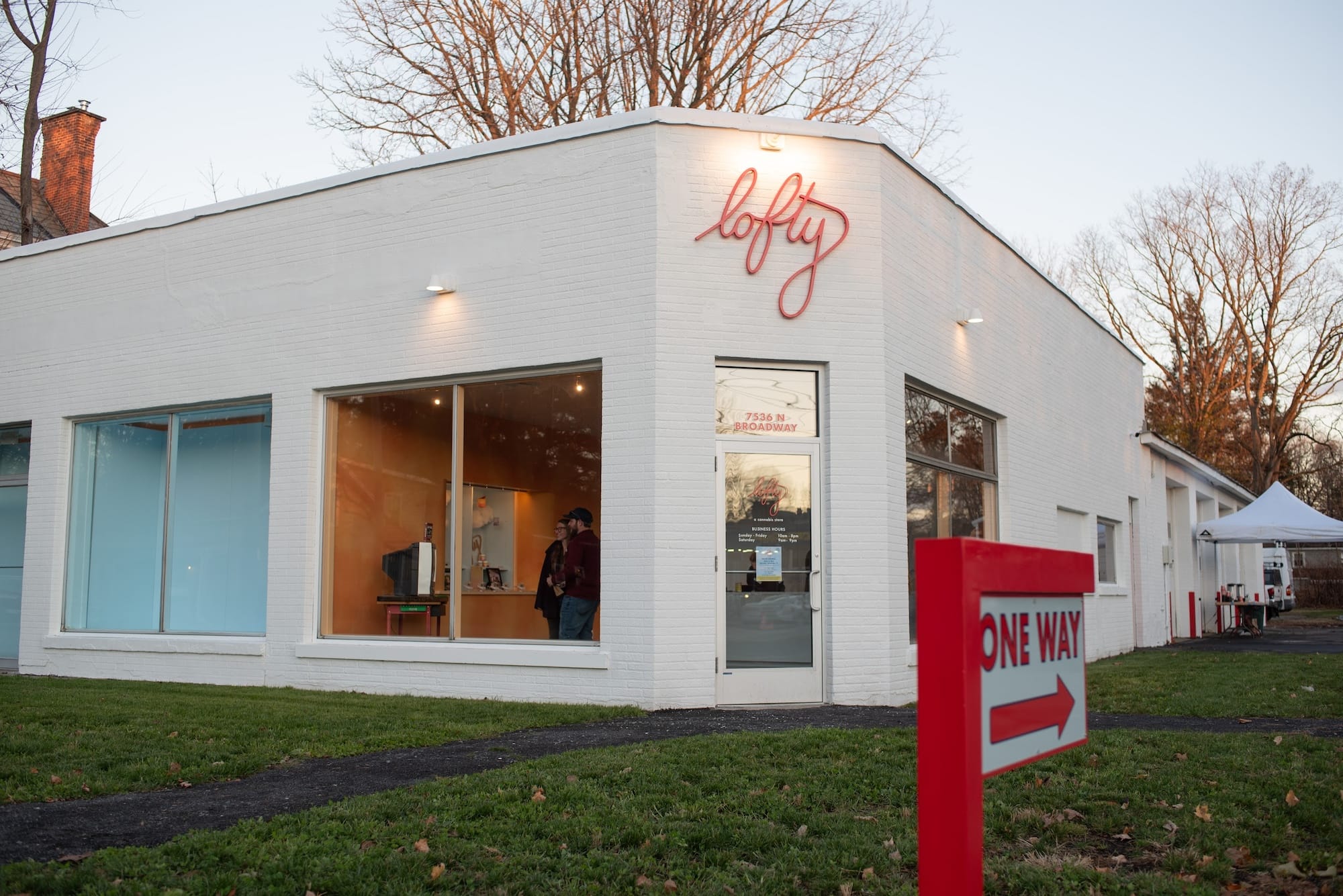
From the outside, the storefront looks unassuming. A former lawnmower shop, inside there’s shelf-ready flower, pre-rolls, and edibles arranged with a thoughtful eye toward presentation and education. The dispensary’s big open windows give the modest interior space presence near the middle of the village. Natural light fills the room.
Lofty was the shared dream of Moylan and her partner, Ryan Ebert. They met through work in the nonprofit agricultural sector, she on the vegetable side of farming, he on the hemp cultivation and sales side, and together they began building Lofty as something meant to be grounded in community and craft (like a local farm brewery or distillery) rather than corporate scaling or venture capital models. Their first legal crop was grown in Copake.
Then, Ebert died suddenly in July 2024, just five days before Lofty’s state adult-use microbusiness license finally arrived. People wondered what Moylan would do next. Could she still launch the business on her own? “I said, ‘I have to,’” she recalls, perched on a high stool behind the counter at Lofty before a sky blue cabinet filled with the harvest she and Ebert planted together. “What else am I supposed to do?”
Her choice to continue was emotional, it was practical, and it created a business that’s a physical manifestation of the combined effort the couple put into the project together. Moylan says she is continuing on the vision shared to make Lofty not merely as a place that sells excellent quality local pot, but as one that honors relationships—with growers, with customers, and with the plant itself.
Moylan’s story began surrounded by lots of farmland. Growing up between suburban edges and pastureland in Kansas and southern Missouri, she remembers her grandfather spending his life tending cattle and working fields well into his 80s. While she might have been out on the range, she said life revolved less around farm-fresh agriculture. “There wasn’t the personal connection there to our food that I see here,” she reflects.
She moved to the Northeast with an early fascination for composting, soil biology, and farming, practices she dabbled with in college and laboriously attempted to maintain in New York City, before finally landing in the Hudson Valley, where farmstands and markets enticed her with their natural community integration. Cannabis, once an outlaw crop in her adolescence, became, in New York, a conduit for bringing together her love of growing things, her enjoyment of it, and her aptitude for paperwork.
New York’s legalization of adult-use cannabis under the Marihuana Regulation and Taxation Act in 2021 created a patchwork of licensing opportunities, including cultivator, processor, distributor, retail, and microbusiness categories. The microbusiness license exists to empower small operators with the possibility of engaging in multiple parts of the supply chain from cultivation through retail under one permit. That intent was in part to open space for entrepreneurs and community-oriented business people who did not have access to deep capital.
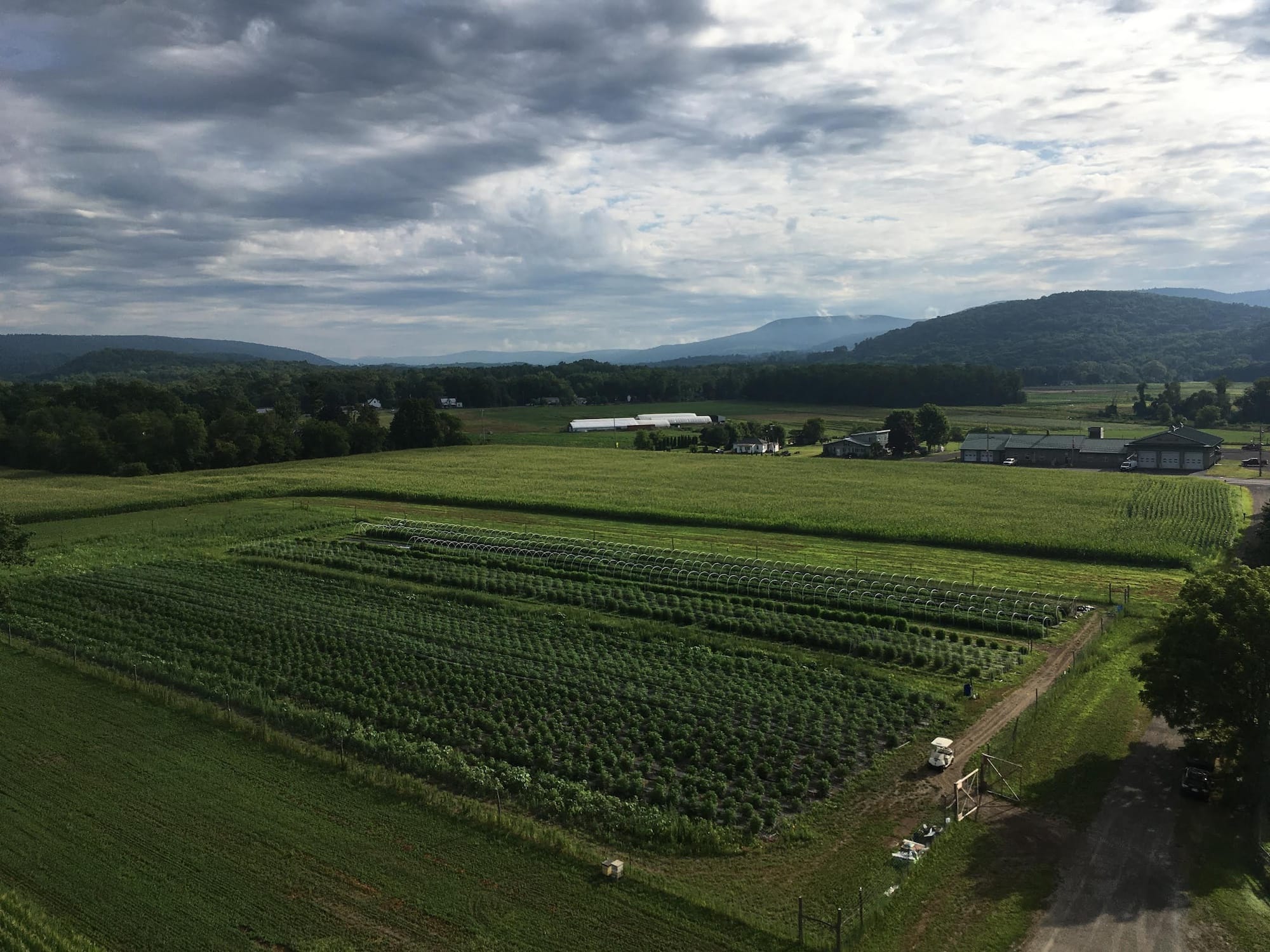
While promising in theory, Moylan and Ebery took on a great deal of personal risk and expense, because small business loans are not available to cannabis businesses, as the plant is still illegal federally. But Lofty made it through, only to open with another issue. Now that the dispensary is open in Red Hook, the Lofty Grow operation for 2026 must be within 25 miles of the dispensary and processing facility.
“I have a micro business license, right? So I can grow. I’m supposed to grow. I just don’t have a place to grow right now,” Moylan says. But finding land to put actual crops in the ground has been challenging.
The 25-mile rule is intended to keep community ties tight and to avoid sprawling operations at a distance from where the product is grown or processed. But while Copake is outside the 25-mile radius it’s hard to argue it is outside the regional agricultural ecosystem.
For Moylan, the distance limit became a practical puzzle in a region where land is constrained both by agricultural preservation policies and by competing zoning concerns. Local conservation easements, environmental restrictions, and community attitudes toward cultivation have made finding a compliant site more complicated.

Interestingly, She could technically grow on her Red Hook village property, which includes a large barn and warehouse space home to her processing operation, but she’s wary of outside perception.
“I can grow here, that would be great, but I don’t think that the town and village wants that,” she says, adding she sees a solution on the horizon.
Faced with the distance limits and the scarcity of land, Moylan has built relationships with other likeminded New York farmers to source fresh plants she is allowed to process as well. She works with growers from Sullivan County to Amsterdam who are happier to just grow and not have to navigate retail, packaging, or compliance work themselves.
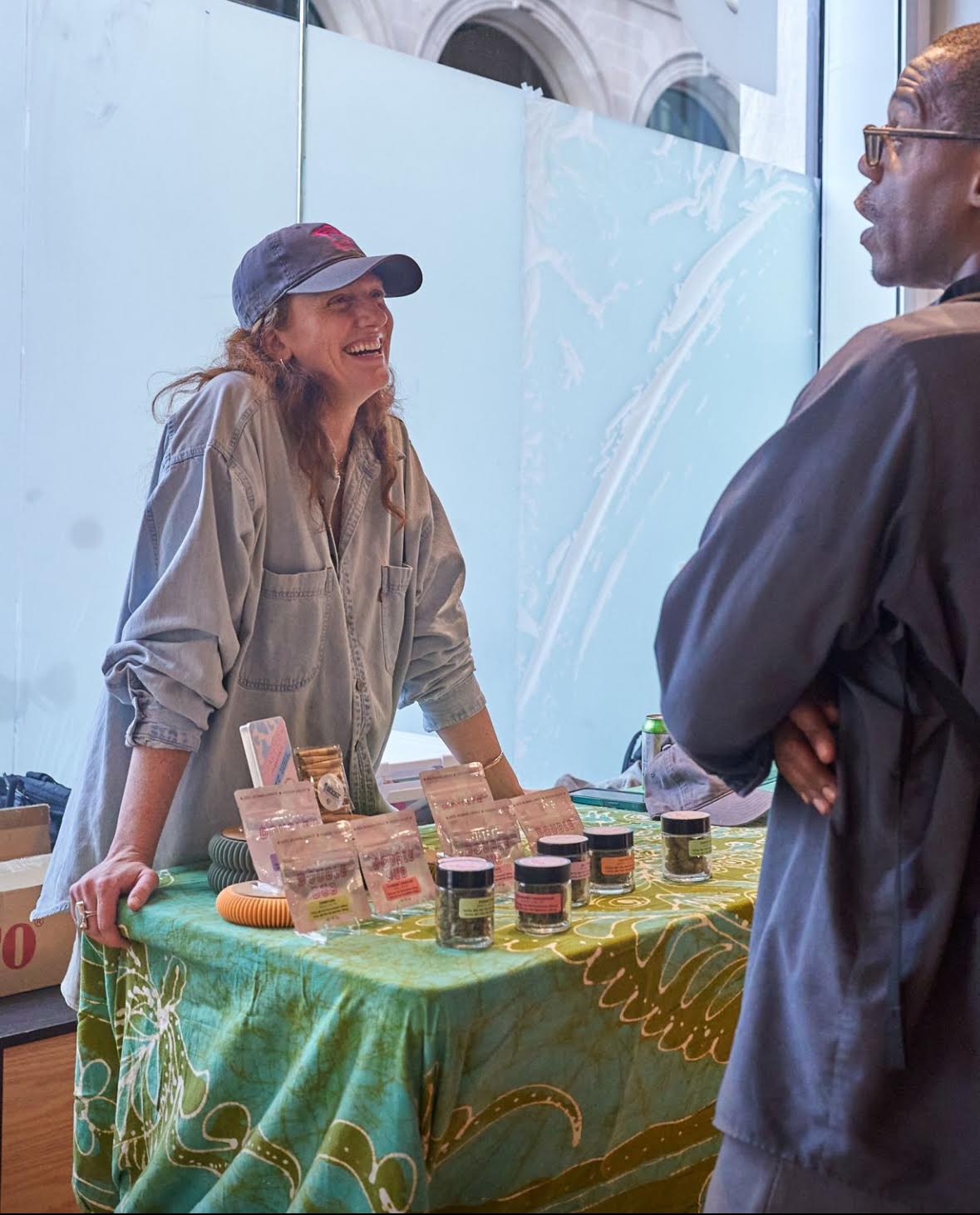
“I think there’s no shame in not being able to do everything yourself,” she says, a notion proud American farmers often struggle with. “I think that’s what community is—being able to say, ‘Look, I have these pieces and you have these pieces, and we can work together.’”
This cooperative approach reflects not only a practical business strategy but also a deep familiarity with agricultural culture in the Hudson Valley and beyond, where pooling harvests, sharing equipment, and mutual support can help smaller farms weather uncertainty.
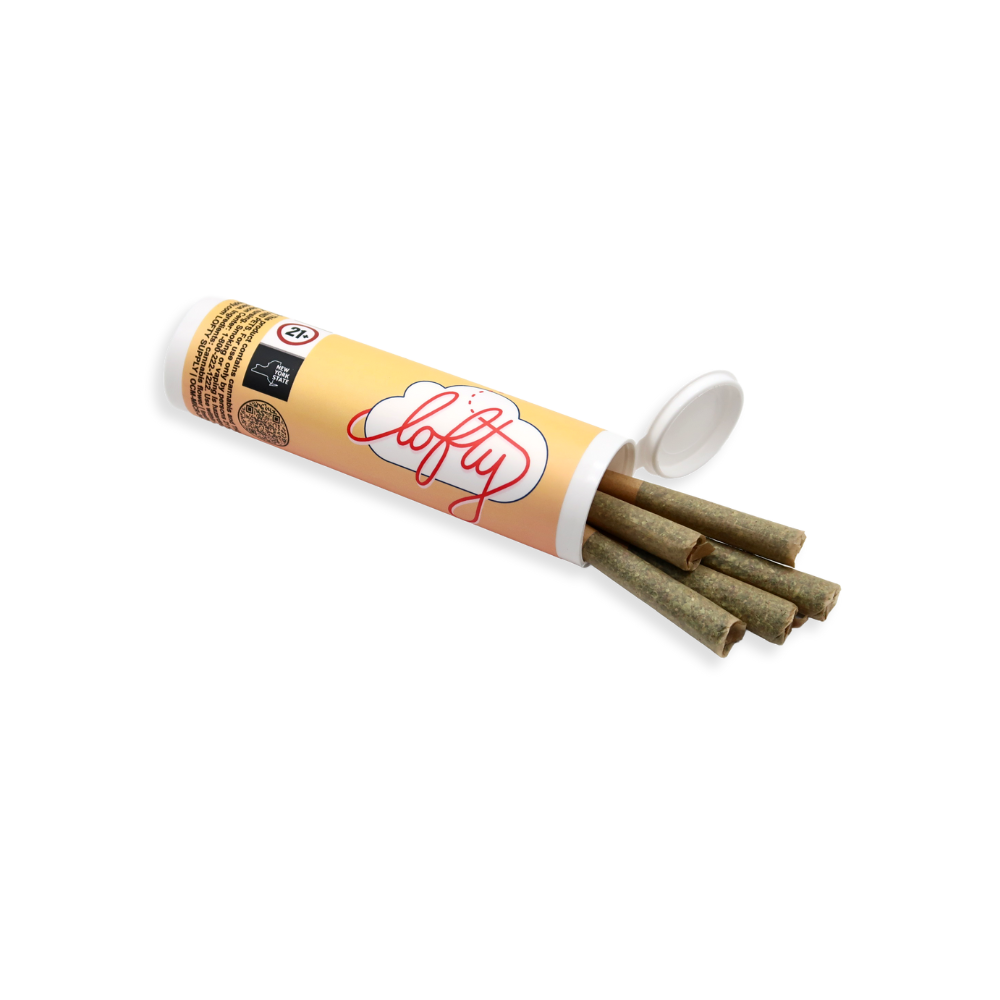
Despite the broader structural challenges, the retail reality of Lofty is centered on quality New York grown products, and a desire to teach customers about weed in the same way they might learn about wine varieties and flavor profiles. Instead of a sea of products, Lofty’s offerings are all created out back and curated by Moylan to meet people where they are—whether that’s a first-time user seeking better sleep (her most common request) or a seasoned consumer curious about strain specificity.

“Our flower came in, we trimmed it, cured it, and packaged it,” she says. “We’re starting to make hash with kief, and then the next stage will be rosin. I think that’s what makes this vertically integrated model special—you have a plan for that product from the second it’s in the ground.”
That plant-to-product intimacy is exactly the kind of story many craft consumers want in the food and beverage sector. Translating that demand into cannabis requires persistence and a deep relationship to plant cultivation.
Moylan also does not shy away from the cultural dimension of being a female cannabis entrepreneur in a place like the Hudson Valley, a region rich in agricultural history and also cautious about change. Asked why she chose Red Hook—a village that once leaned toward opting out of the cannabis economy altogether—she pointed to friendships, local lore, and an affection for the community.
“You guys actually have really cool weed culture,” she says. “Where else am I supposed to be? I can’t do this in Kansas.”