Mom-and-Pop Berkshire Food System Experts Bring Cookbook and Dinner to MASS MoCA
On March 26, Elisa Spungen Bildner and Robert Bildner present at MASS MoCA at 5pm with a themed dinner to follow at Casita.

On March 26, Elisa Spungen Bildner and Robert Bildner present at MASS MoCA at 5pm with a themed dinner to follow at Casita.
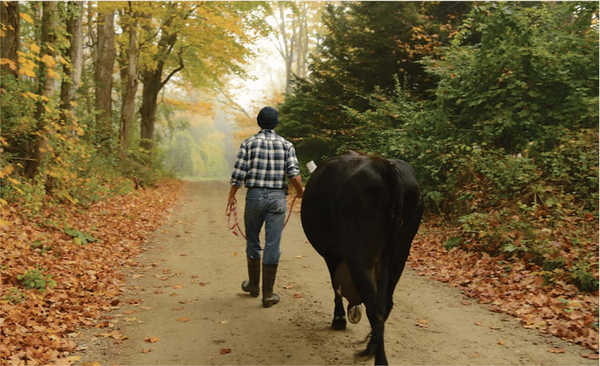
Photo from The Berkshires Farm Table Cookbook, by Robert Bildner.
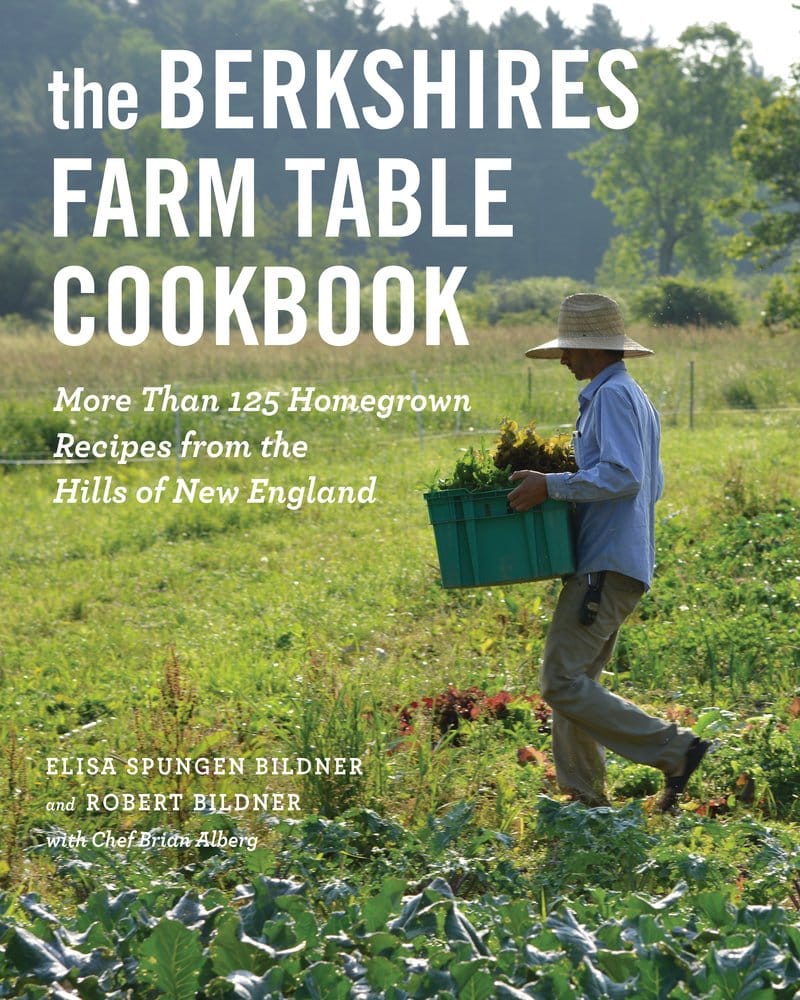
On March 26, the excited conversational current that runs through Elisa Spungen Bildner and Robert Bildner work and lives together comes to MASS MoCA. The 5pm book talk on the revised second edition of their book The Berkshires Farm Table Cookbook will expound on their lovingly-researched, voluminous, championing the work of regional farms through Elisa's essays, Rob's photography and hyper-local recipes.
The conversation at MASS MoCA will be followed by a farm-driven dinner at Casita that, like their book, honors both the fruit and the labor.
What makes the Bildners compelling is not just what they say, but how they say it together. Elisa will begin a sentence, Rob will widen its scope; Rob will introduce an example, Elisa will sharpen its meaning. They interrupt, affirm, and redirect in a way that feels like a kitchen table conversation with mom and dad. They have a shared language built over decades of eating and thinking about food.
Asked to define “Berkshire cuisine,” Elisa begins with a clarification that quickly expands: “By Berkshire cuisine…we are breaking it all the way down to the products of small family farms…as small as one acre.”
Before the thought settles, Rob threads in a complementary point—farmers and food producers featured in the book are actively shaping the region’s culinary scale and specificity in real time. “Unique food producers” he says, become embedded in local restaurant culture.
This complex food systems analysis flows like a holistic narrative, established by Elisa’s warm professional writing, Rob’s thorough documentary photography and, of course, the recipes.
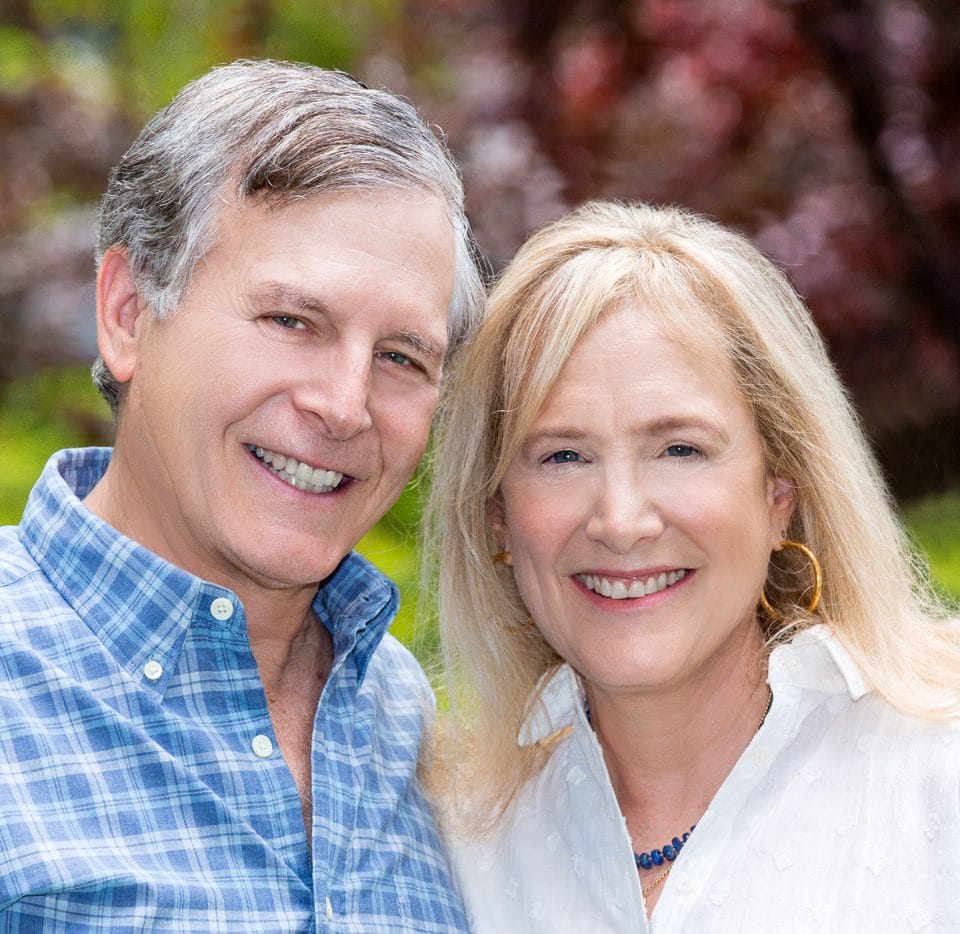
The Bildner’s ability to find the balance between addressing big ideas and conveying the personal experiences of farmers and cooks is born from their long and accomplished careers. Both were attorneys before pivoting into the food world—Elisa as a CEO of a fresh-cut produce company and a journalist, Rob as the founder of multiple food distribution and manufacturing businesses designed to bring farmers’ products to market.
Berkshire agricultural culture is contingent on rocky soil and the health of a small local economy increasingly strained by national and global political disruption. “[The Berkshire food system] is defined by what the land is able to produce, but also what the people are able to work with,” Elisa says.
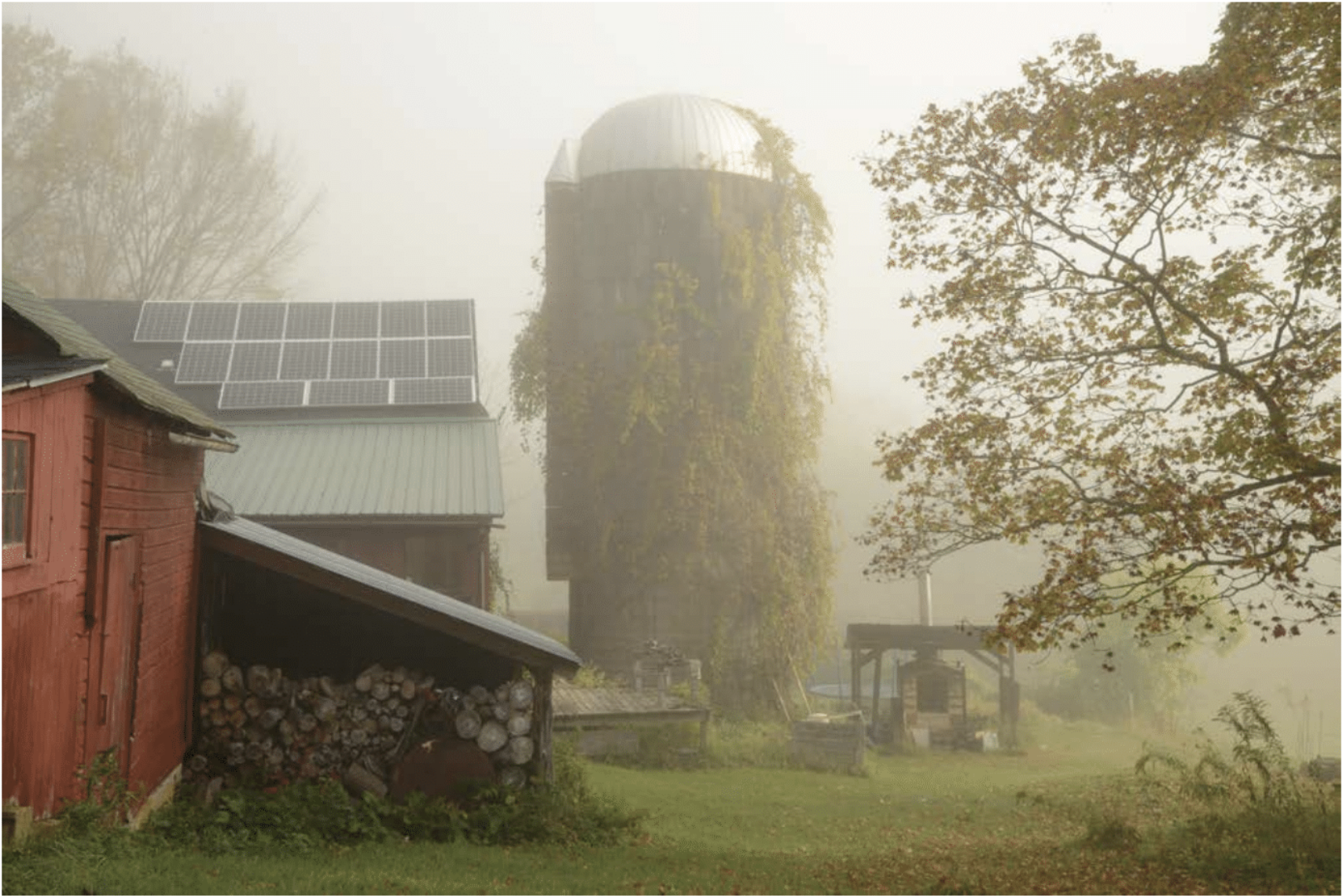
The couple returns repeatedly to this idea—that the region’s identity is inseparable from its geographical and logistical realities. What can be grown here dictates what can be cooked here, which in turn shapes what becomes culturally recognizable as Berkshire cuisine.
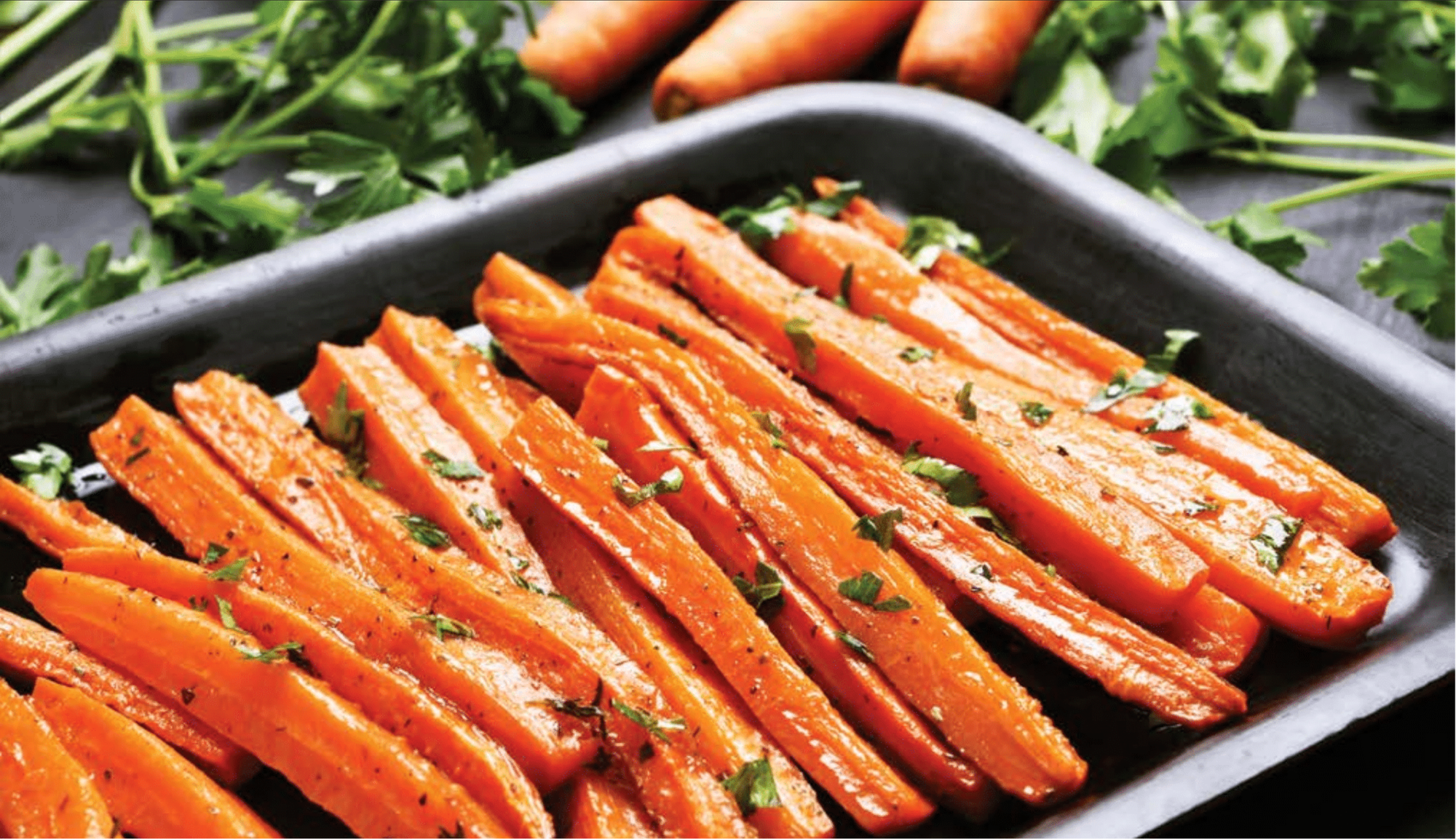
The revised edition of The Berkshires Farm Table Cookbook—now expanded with new farmer profiles, recipes, and photography—extends that framework with inspiring narratives and delicious recipes. Some from their own son, Rafi Bildner, owner of the Hilltown artisan pizza restaurant in Egremont.
The Bildners say their journey toward writing the book actually began because of their son’s first agricultural endeavor.
“We watched him start farming when he was in high school,” Elisa says, describing how Rafi grew produce on a small plot of family land and sold his harvest in the front yard and at local markets. The experience became a kind of case study for what it takes to farm, even under small, relatively ideal conditions.
They also had a more primal question. “It made us really curious: What makes the kinds of things that Rafi grew so good?” Elisa says.
That becomes especially visible in the book’s newer additions, including recipes tied to emerging producers and restaurants. Among them is a dish from their son’s restaurant: “The Levant” pizza, which, at Hilltown, is cooked in the wood-fired oven and loaded with middle eastern spices, lamb, sumac marinated picked onions, garlic, feta, mozzarella, and finished with an herbaceous yogurt sauce, za’atar and mint.
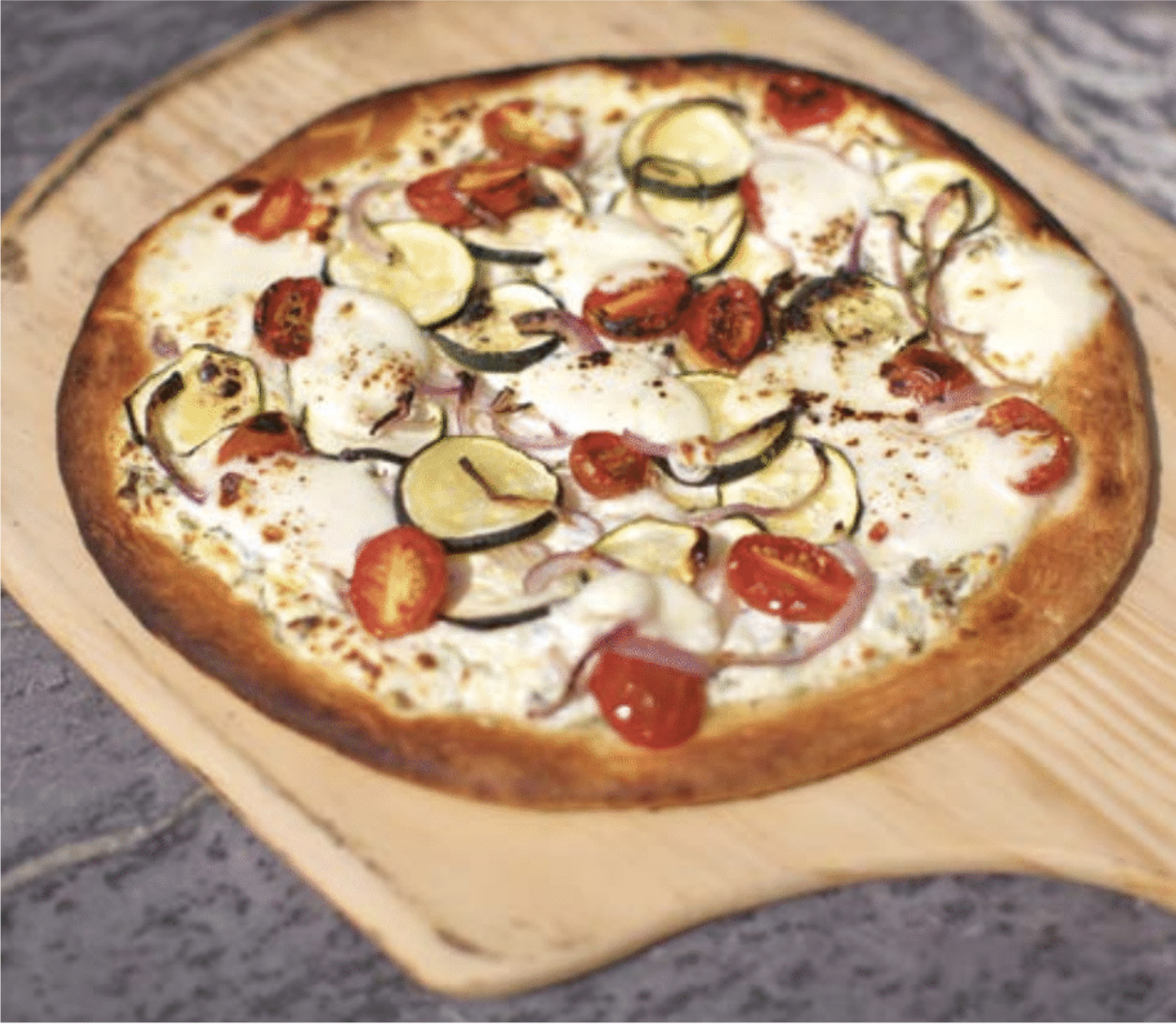
In the book recipes like this function as more than menu items. They become a map of relationships: vegetables from a farm down the road, worked in a way that speaks to family customs as well as the diversity and discernment of Berkshire taste.
The book celebrates the region’s foodways without romanticizing the struggle endured to sustain them. The Bildners are direct about the fragility of the system they document.
“Farming is really tough,” Elisa says plainly, emphasizing the economic and physical demands that shape every decision. Rob adds that when they began researching the first edition (nearly a decade before its 2020 publication) there was concern that many farmers were aging out of the profession. The question was whether a new generation would step in.
“We’re very excited and inspired to find that, yes, there are new folks here willing to keep some of these farms going,” he says.
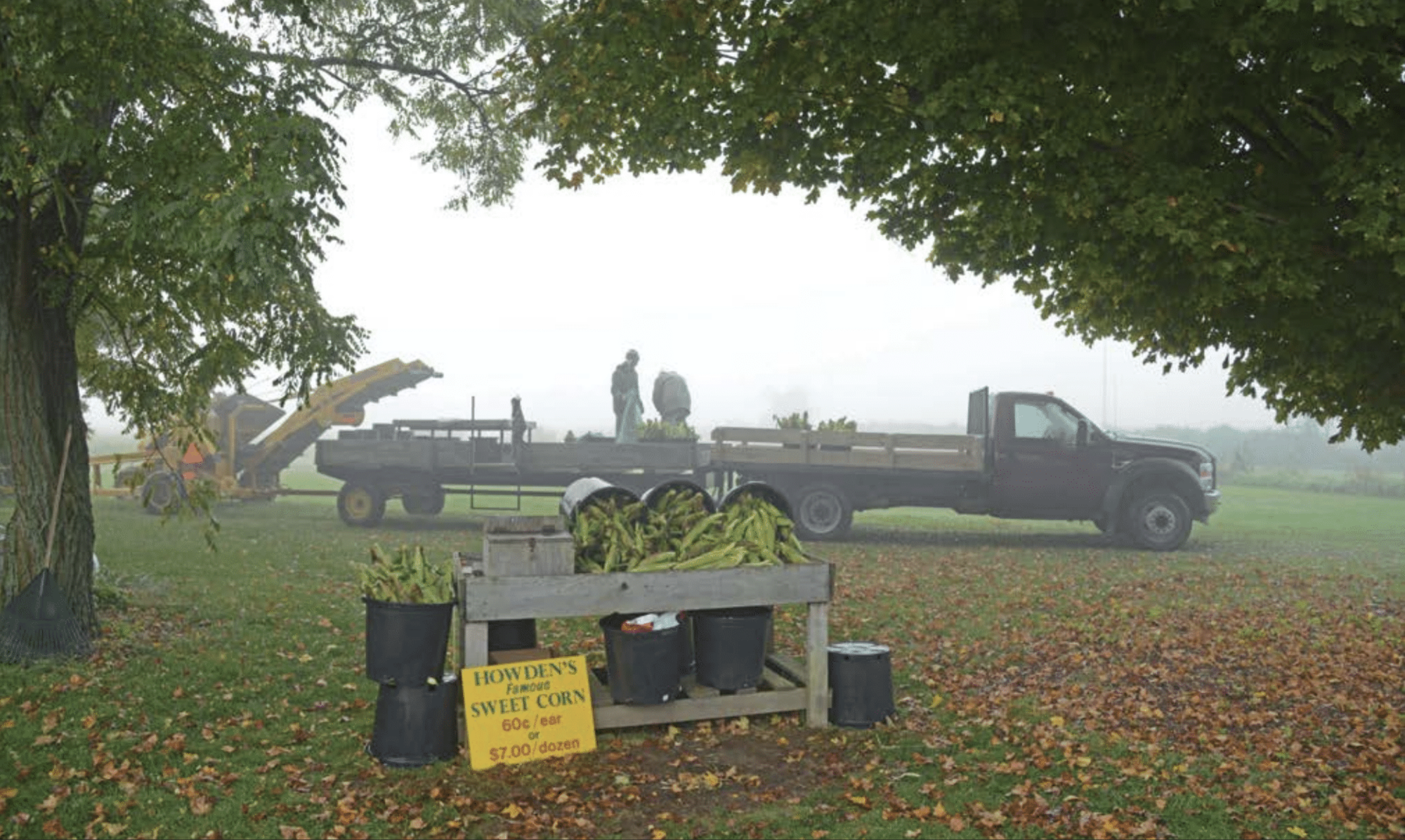
That optimism is tempered by ongoing pressures: labor shortages, rising fuel costs, and the persistent challenge of making small-scale farming financially viable. Even the pandemic—initially a moment of renewed attention to local food—proved to be only a temporary shift in market attention.
“‘Local’ has to be something that is done all the time,” Elisa recalls a farmer telling her during her reporting. Rob frames the stakes more starkly, saying if broader supply chains falter, “we’re going to be dependent on our local farmers,” and those farmers need sustained support to remain viable.
The March 26 event at MASS MoCA is designed to make the Bildner’s message tangible. The book talk will address what has changed in the region since the first edition, while the dinner at Casita translates those ideas into a menu shaped by local sourcing. Events like this, they suggest, work best when they bring the full system into the room—authors, chefs, farmers, and eaters.