Some gardens, like some novels, can be taken in at once, with a glance; others bear intense study year after year. The regional offerings on the Open Days Conservancy Tour on Sunday, May 31, fall into the second camp. Admission, $5 at each property, may be paid at the door. For directions, maps, and further information, visit the Garden Conservancy website. Margaret Roach
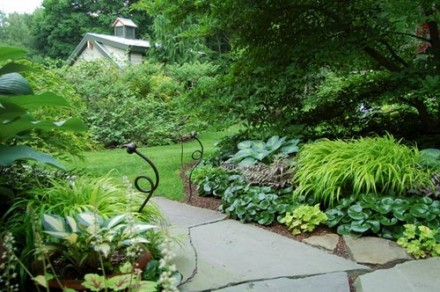
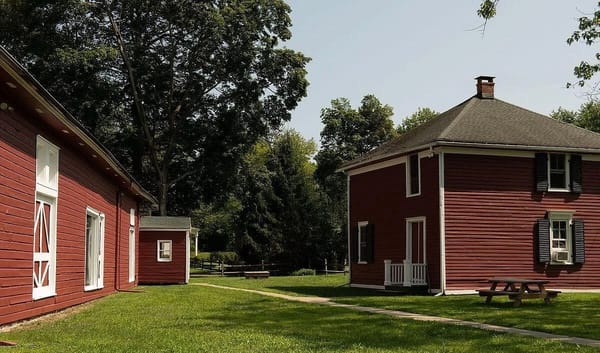
We all like to garden; Margaret Roach knows how. A former gardening editor at Martha Stewart Living, she has studied and interviewed the creators of some of the most ambitious gardens in the land. Her current gig: gardening blogger, with an emphasis on this very zone. So while the rest of us are doing whatever it is we do all day, Roach’s job is researching and writing about plants and what to do with them for Away to Garden. Her nearing twenty-year-old garden reflects this knowledge and sophistication: More foliage- than flower-centric, it features plants that attract wildlife. (Though she hangs no feeders, she is visited by sixty species of birds annually.) Informal mixed borders, large shrub borders, frog-filled water gardens, and potted displays cover her two-and-a-half-acre hillside, a former orchard surrounded by Taconic State parkland. Admission includes both of Roach's gardens: the one described above that surrounds her own Victorian house, and a very different one at her modern guest house next door. 99 Valley View Road Copake Falls 10 - 4 Robin Magowan and Juliet Mattila Located on the remains of a windswept nineteenth-century farm facing Barack Mountain, this witty garden is full of surprises. In May, the main interest is the extensive alpine rock garden that, by then, should be at its floriferous peak. It contains several thousand plants from around the world. The saxifrage-lined, moss-covered outcrop a few feet from poet-and-memoirist Magowan’s writer’s studio gives rise to a sloping boulder garden, creating the illusion of a series of alpine meadows. Tapestry-like, the “weave” is, in some sections, intense—twenty to thirty different plants within a few inches. Directly in front of the studio is a ledge garden dominated by the tiny waving plumes of Androsace lactea and A. latifolia. There, in the sun, a garden of self-contained cushion plants grows in a rich scree soil mixture. A refurbished wall provides the opportunity for are two steeply angled crevice gardens, featuring plants that cascade. At the base of the second of these are two more gardens. One, in shade, features tiny woodland plants and alpines that favor north-facing slopes; the other, is devoted to sun-loving Turkish and Rocky Mountain plants. There is also a small woodland garden and a stepped garden for acid-loving gentians and their like. Toward the house are a heather garden, perennial beds, and, in back, a paved outdoor room with pergolas, featuring peonies and roses, as well as more alpine plants set between the paving stones. 24 Taconic Road, Salisbury, CT 10 - 4 Hollister House
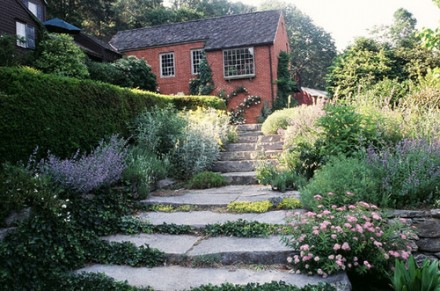
The garden of George Schoelikop is old-fashioned and rambling, informally planted with an exuberant abundance of both common and exotic plants in subtle, and sometimes surprising, color combinations. High walls and hedges divide separate rooms and open to create interesting vistas out towards the landscape. New areas are currently under construction. 300 Nettleton Hollow Road, Washington, CT 10 a.m. - Noon The garden at Hollister House will be open twice more for Conservancy tours this summer, June 14 & 27; and also on Saturday, July 11, from 6 - 8 p.m, for Twilight in the Garden. To enjoy the garden in the cool of the evening with music, cocktails and nice nibbles, early reservations are advised.