Party’s Over: Hy’s Fried Closes Abruptly, Ending a Short, Electric Run
After less than two years of fried chicken and dancing, Egremont restaurant and music venue Hy’s Fried announced late last week that it has closed.

After less than two years of fried chicken and dancing, Egremont restaurant and music venue Hy’s Fried announced late last week that it has closed.
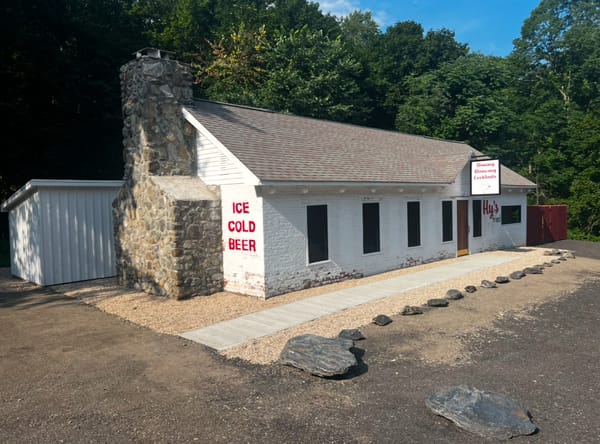
After less than two years of fried chicken and dancing, Egremont fried chicken restaurant and music venue Hy’s Fried announced late last week that it has closed. The closing came as a shock to many patrons and supporters. It was too loud, too vibrant, too specific, too fully realized in its strange, compelling vision of what a restaurant in the Berkshires could be to just disappear. And yet, like so many restaurants, it ended the only way restaurants tend to: abruptly, decisively, and without much warning to the people who built community here.
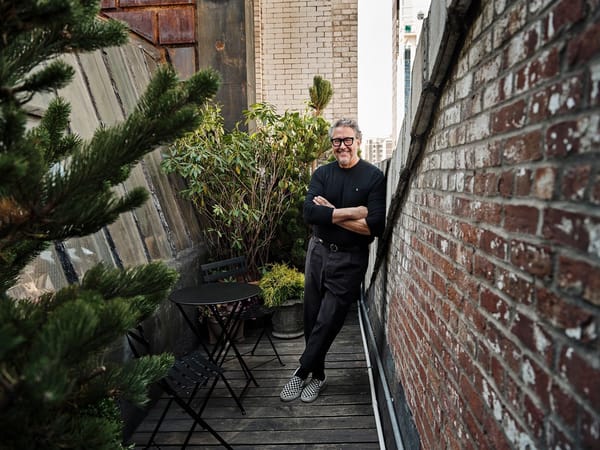
“It would never happen not abruptly in the restaurant industry,” owner Jack Luber says. “It snowballs…things happen quickly.”
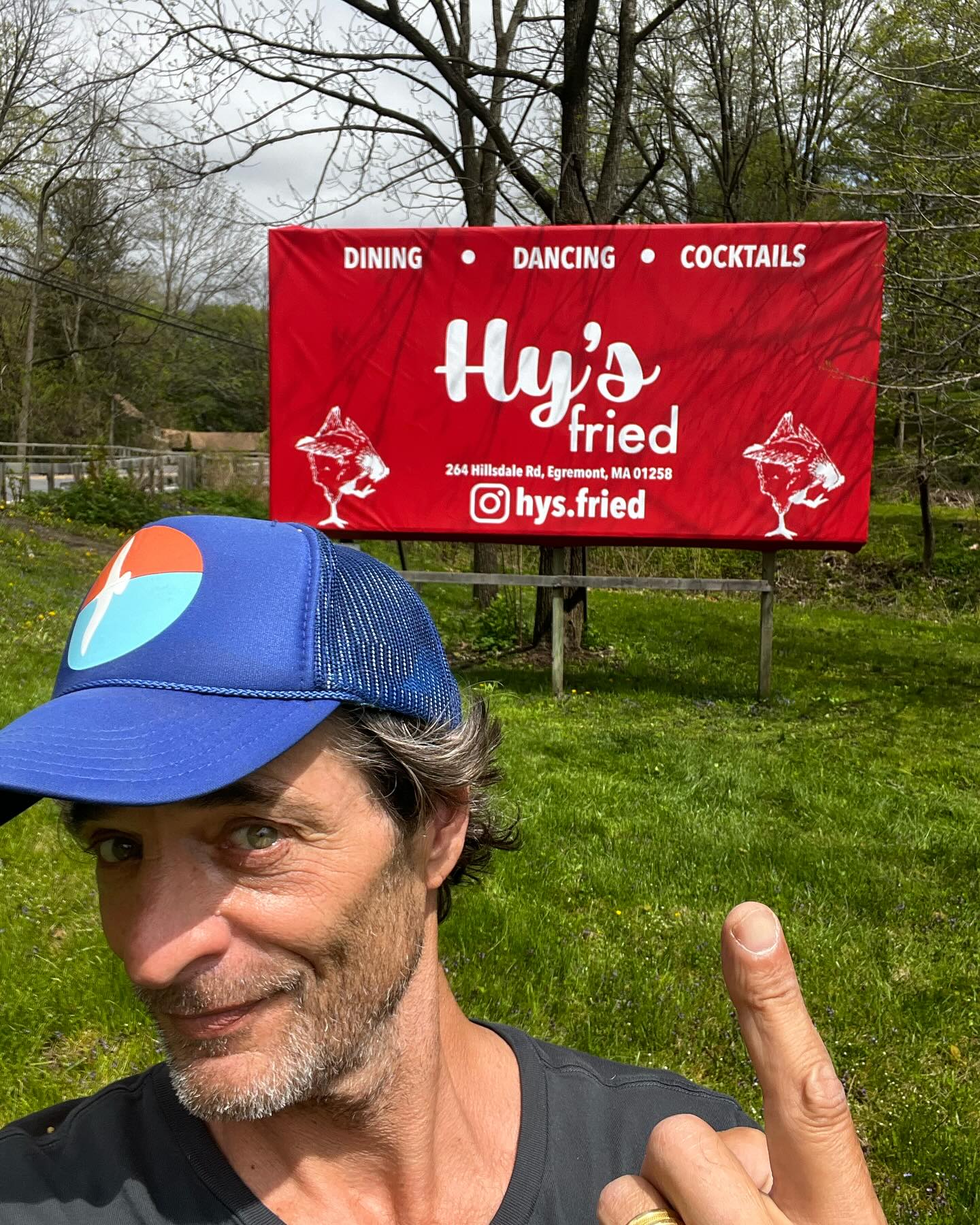
The restaurant, which opened on Route 23 in 2024, quickly became one of the most talked-about food destinations in the Berkshires, building a reputation not just for its food, but for the unlikely scene it managed to create: a vinyl-only DJ culture in the middle of the woods, drawing locals, weekenders, and nightlife figures who would otherwise may never have crossed paths.
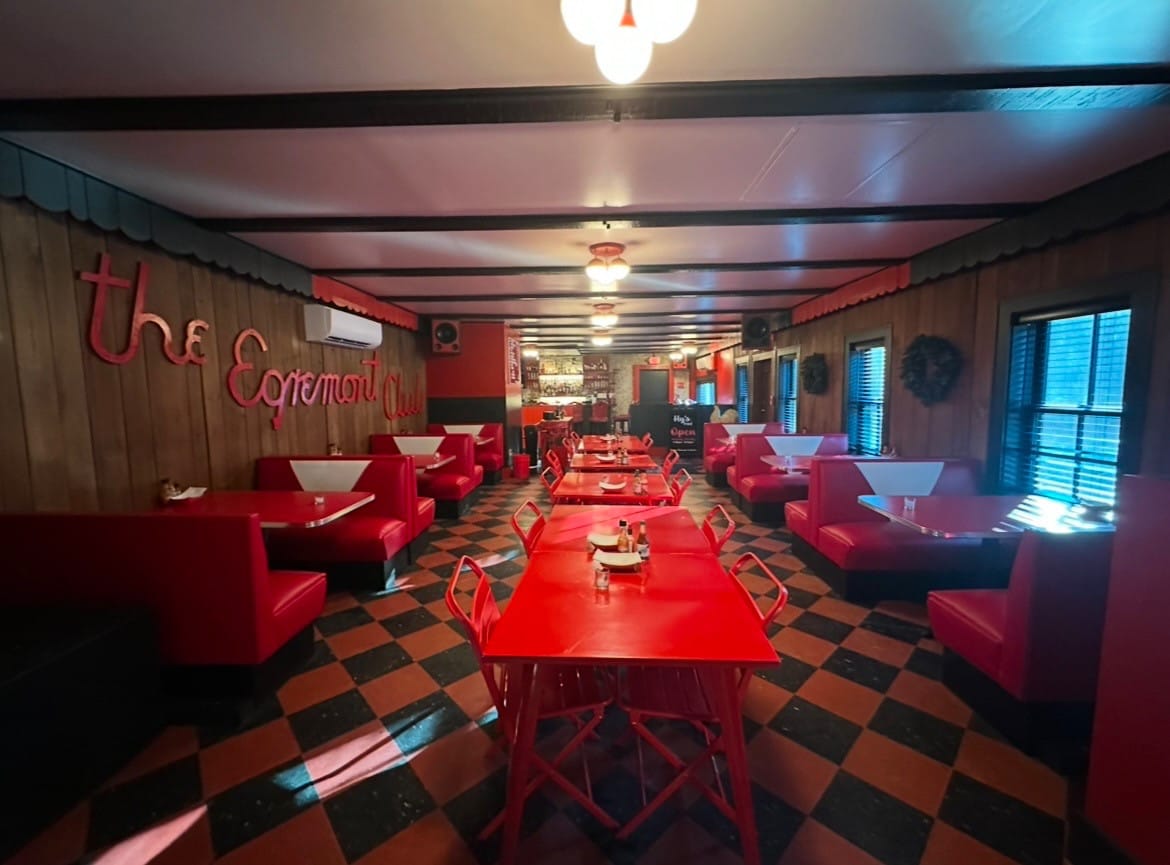
From the beginning, Hy’s Fried was conceived as more than a restaurant. Last year Luber described it as “a wormhole”—a deliberately disorienting, transportive space that blended a roadside chicken shack with something closer to a downtown club. The building itself, a revived roadhouse, full of history, was part of that effect: moody, saturated in red, theatrical and unironic.
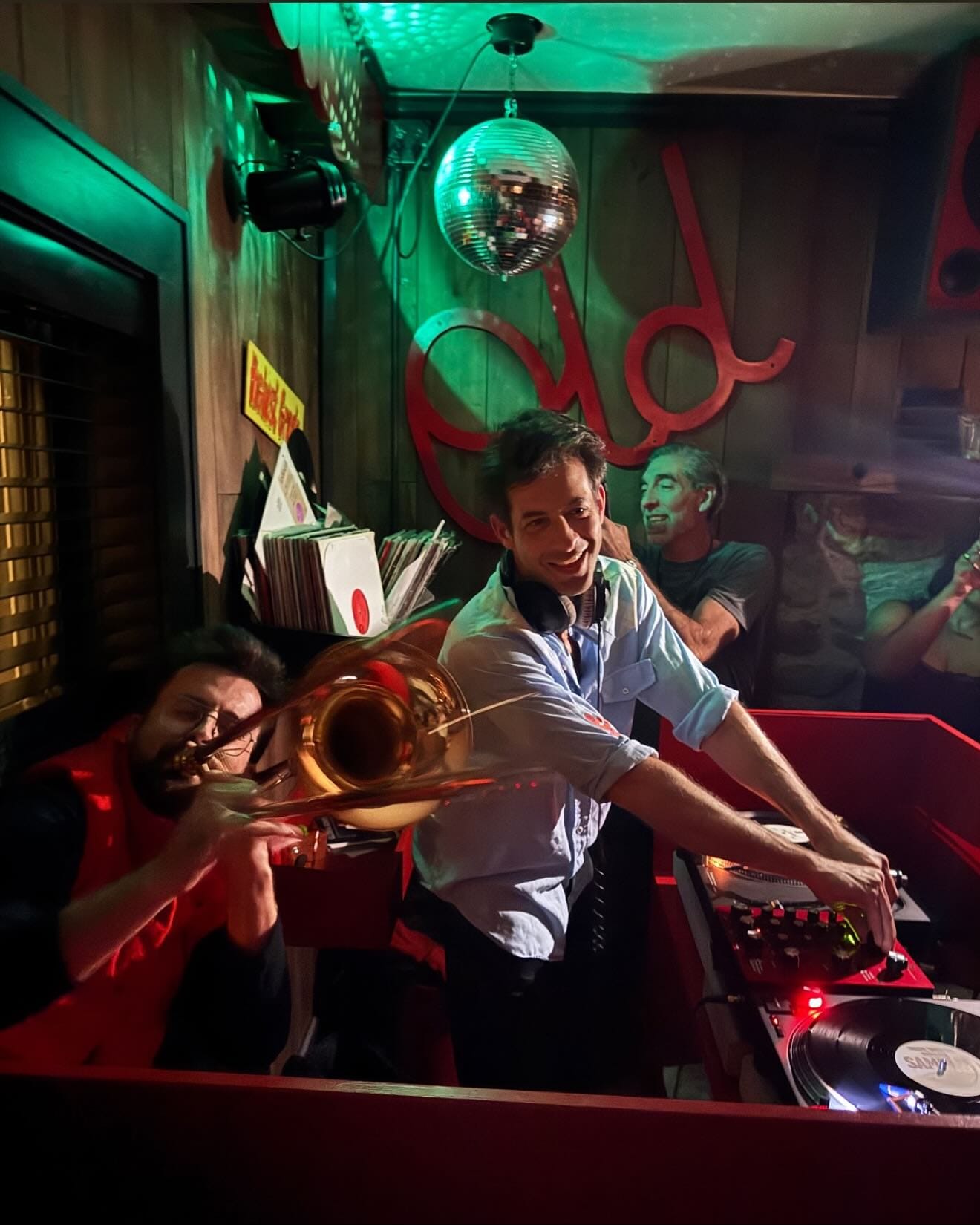
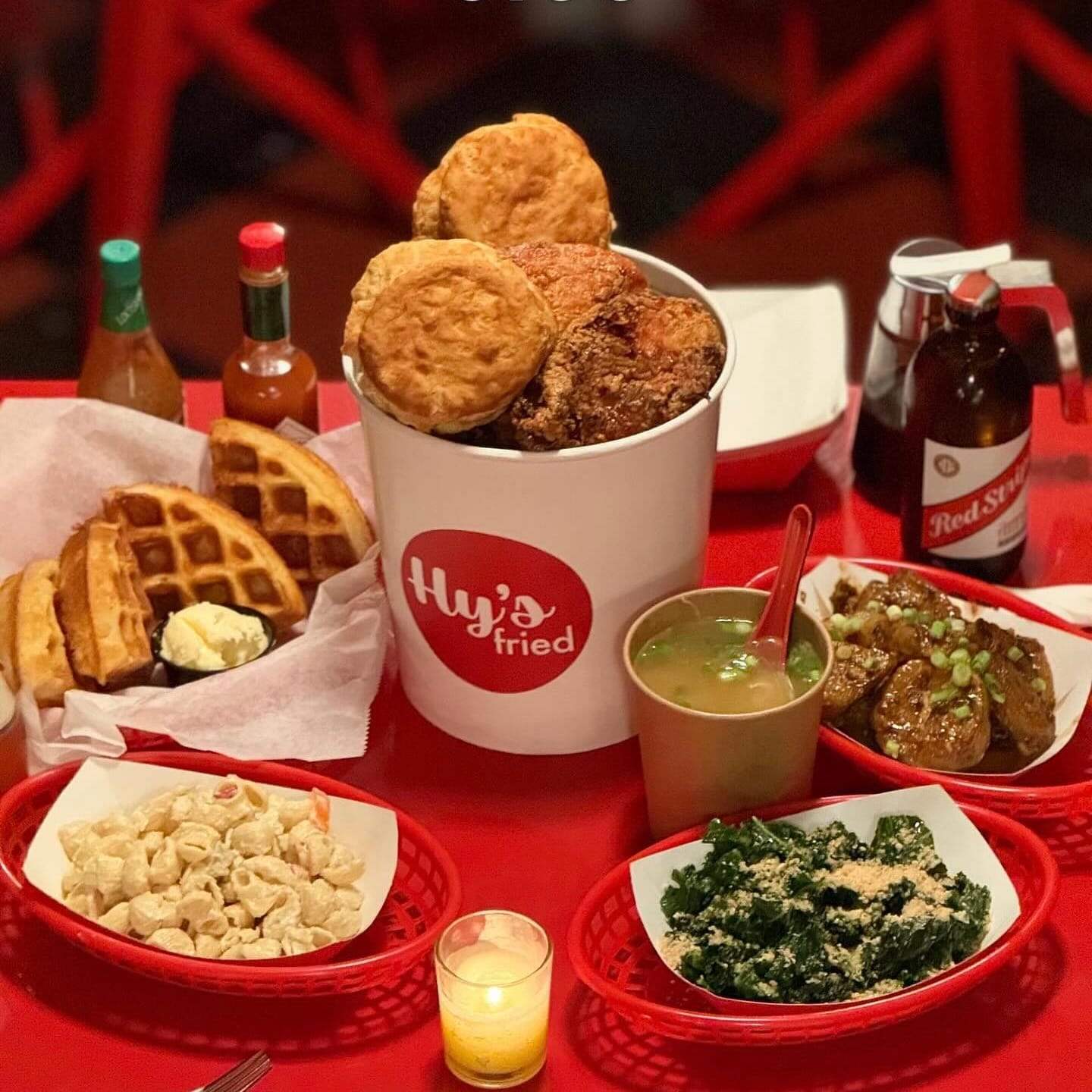
The food anchored the place. Luber’s fried chicken—gluten-free, brined for hours, and finished with a sweet-hot sambal—quickly earned a following, winning Rural Intelligence’s Reader’s Choice award soon after opening. But the food was only half the story. On weekends, the space transformed. DJs spun vinyl sets late into the night, sometimes quietly, sometimes explosively, depending on the crowd. Mark Ronson showed up. So did Stretch Armstrong and a lot of other well known artists. Local DJs, many previously unknown, became regulars.
What emerged was a true hybrid space where dinner bled into dancing, where a rural restaurant could feel briefly like the center of something much larger. It was, as regular Michelle Kaplan says, “something extraordinary…in the middle of nowhere.”
That ambition—to create subculture in a place not structurally built to support it—was always going to be the defining tension of Hy’s Fried. Luber understood that from the start. “I had this idea that I wanted to create a subculture in an environment that’s striving and desiring it,” he says.
But creating it and sustaining it turned out to be two different things. Luber is blunt about the underlying issue: the business, as it existed in Egremont, was not sustainable at the level he believed it could and should be. The problem was not a lack of enthusiasm, but the structural realities of the location—seasonality, limited infrastructure, and the demands of operating largely on his own—made it difficult to turn that cultural success into a stable, long-term business.
“You got to make money,” he says. “Unless you’re loaded…and I’m not.”
Hy’s was open just four days a week by the end, after earlier attempts to expand service. It worked, in a limited sense. “I did fine opening four days a week,” Luber says. “But don’t you want to do better than fine?”
That question—what counts as success—sits at the center of the closure. From the outside, Hy’s Fried looked like it had succeeded. It drew attention. It built a loyal following. It generated the kind of organic, word-of-mouth excitement that most restaurants chase unsuccessfully for years. Inside, the math was different. Luber owned the property, funded the build-out, and carried the business largely himself, without the kind of financial cushion or investor network that allows some restaurants to ride out seasonal dips or slow growth. “Everything’s on Jack,” he says. “It wasn’t only about money,” he says. “It was about my physical well-being, my health, and my financial savvy with my family.”
Restaurants often close because they fail. Hy’s did not fail in that conventional sense. Instead, it ran up against the limits of the location. Luber says he reached the point at which continuing to operate begins to threaten the long-term viability of the concept itself.
“I created a really good, wholesome, strong community-embraced brand,” Luber says. “And now I need to do something smart with it.”
That “something smart” is already in motion. Luber is in discussions with investors in Boston, who are interested in expanding Hy’s Fried into a more scalable model in Beantown and beyond. In those environments, the same combination of food and music could run year-round, supported by population density, infrastructure, and established nightlife ecosystems. “Boston is 12 months a year,” he says. “There was no catastrophic moment here. There’s just reality.”
Still, the emotional response online from the community has been significant. Luber describes the reaction as overwhelmingly positive—“99.9% love”—but threaded with disappointment and a sense of loss. That response speaks to how quickly Hy’s embedded itself in the local cultural landscape. It was not just a place to eat. It was, for many, a place to gather, to dance, to encounter the unexpected.
Luber is sensitive to that loss. “I love serving,” he says. “I’m a hospitality guy.” But he is also clear-eyed about what it would take to continue. The version of Hy’s that existed on Route 23 required a level of personal investment he is no longer willing to sustain. If the concept returns to the area—and he insists it will—it will look different.
“I’m not doing this alone again,” he assures himself.
The likely future is seasonal: a partnership-driven iteration of Hy’s Fried, operating in a location that can support peak demand without requiring year-round overhead. Luber imagines something tied to an existing hospitality environment—a lake, a resort, a destination where he can create moments. “It’s dancing. It’s cocktails. It’s either on a mountain, on a lake, or on a piece of property that already celebrates hospitality,” he says, adding that while Hy’s is closing he, and his family, are not leaving the Berkshires. “I have found heaven living here.”
Luber, for his part, reflects on the project with pride. “I don’t look at this in any way but as an absolute, total success,” he says. “It’s not goodbye,” Luber says. “It’s so long for now.”