RI's Top 10 News Stories of 2025
The most read articles about some of the most significant events from the year that was.

The most read articles about some of the most significant events from the year that was.
When I took over as editor exactly one year ago, I couldn’t help but bring along my years of experience as a hard news reporter. While the “news” we’ve covered over the past year has been a bit of a departure from our regular arts and culture programming, I endeavored to provide articles that went beyond headlines and provided historical context and investigative analysis to some of the biggest issues facing our towns. And then there were newsworthy moments of celebration our readers loved. Times are hard but as much as possible, I want RI to be your source for good news.
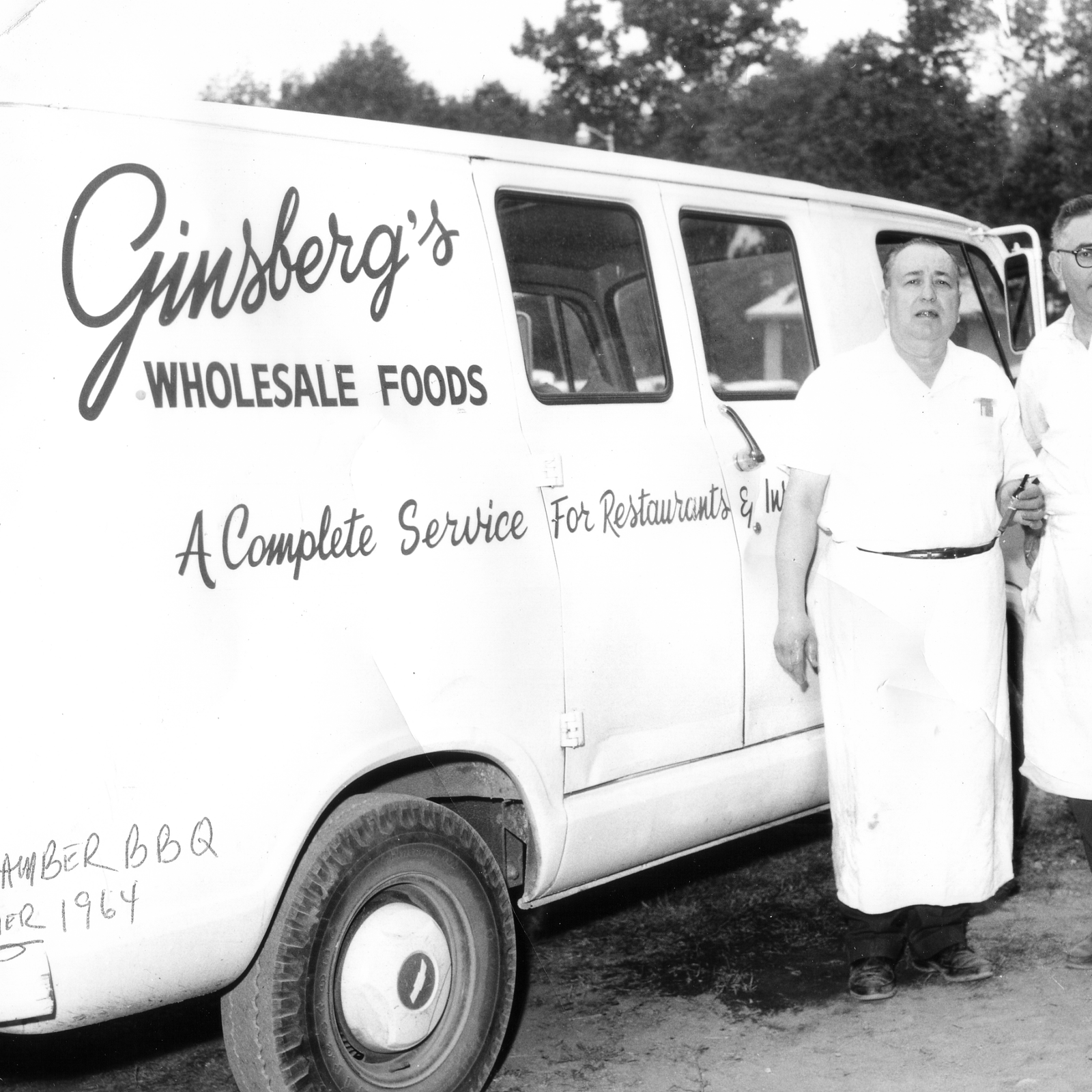
Ginsberg’s Foods, the Claverack-based distributor that grew from a 1909 Hudson grocery store into a regional foodservice powerhouse, is being sold to Sysco, as employees learned at the company holiday party. The buyer is one of the largest players in food distribution, and the deal immediately raised questions about how local customers and workers will be impacted.
The stakes ripple outward to restaurants, schools, and institutions across the region that rely on Ginsberg’s for supply and service. Even with assurances about continuity and leadership staying on, consolidation changes leverage, pricing, and culture over time. The story also captured the human side: pride in a 100-plus-year legacy mixed with unease about what “business as usual” looks like after the announcement.

This blockbuster story has still gone shockingly underreported since we broke it in November. A lawsuit filed by MountainOne Bank alleges a group of senior employees built a rival firm while still employed by the bank—then departed with client information and used it to solicit customers. The claims describe coordinated resignations, data transfers, and rapid outreach to move accounts, putting client privacy at serious risk.
For a regional bank, reputational damage can be as consequential as financial loss. The allegations point to a modern vulnerability: how quickly relationships and records can be exported when finance runs through digital systems and portable databases. The case also raises practical questions for customers. What was taken? And what recourse now exists?
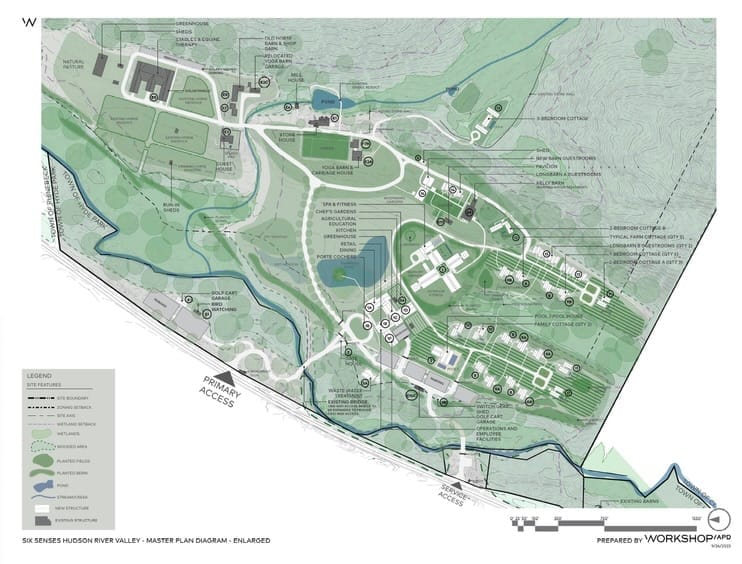
The proposed Six Senses resort in Clinton has been a multi-year flashpoint in Dutchess County, with this article focusing on the developer’s current effort to reframe the project in the public eye. That shift played out alongside ongoing legal and political tension, with residents still split on what the project would mean for land use, infrastructure, and precedent.
Our reporting highlighted how these projects don’t live or die on renderings alone. They move through zoning language, road access questions, inter-town friction, and credibility—who’s believed, what’s enforceable, and what residents think they’re being asked to trade away.
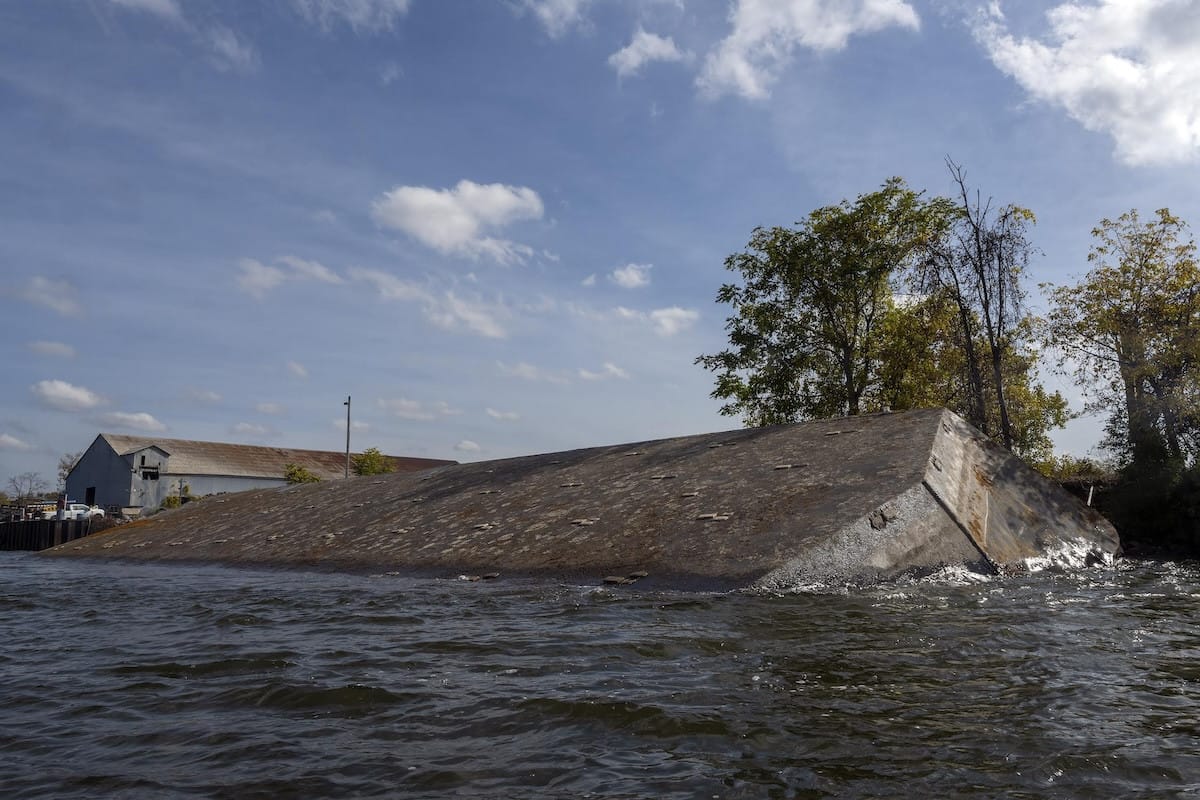
A capsized barge became an unplanned emblem of Hudson’s waterfront gridlock: a literal mess in the river timed perfectly with a bureaucratic one on land. The story traced how an accident at the dock collided with long-running disputes over industrial use, public access, and the city’s attempt to control development at the port.
At the center was a technical but explosive question about enforceability—whether Hudson’s waterfront planning framework had the legal teeth residents assumed it did. That uncertainty compounds a years-long permitting battle and leaves the city’s broader waterfront vision vulnerable.
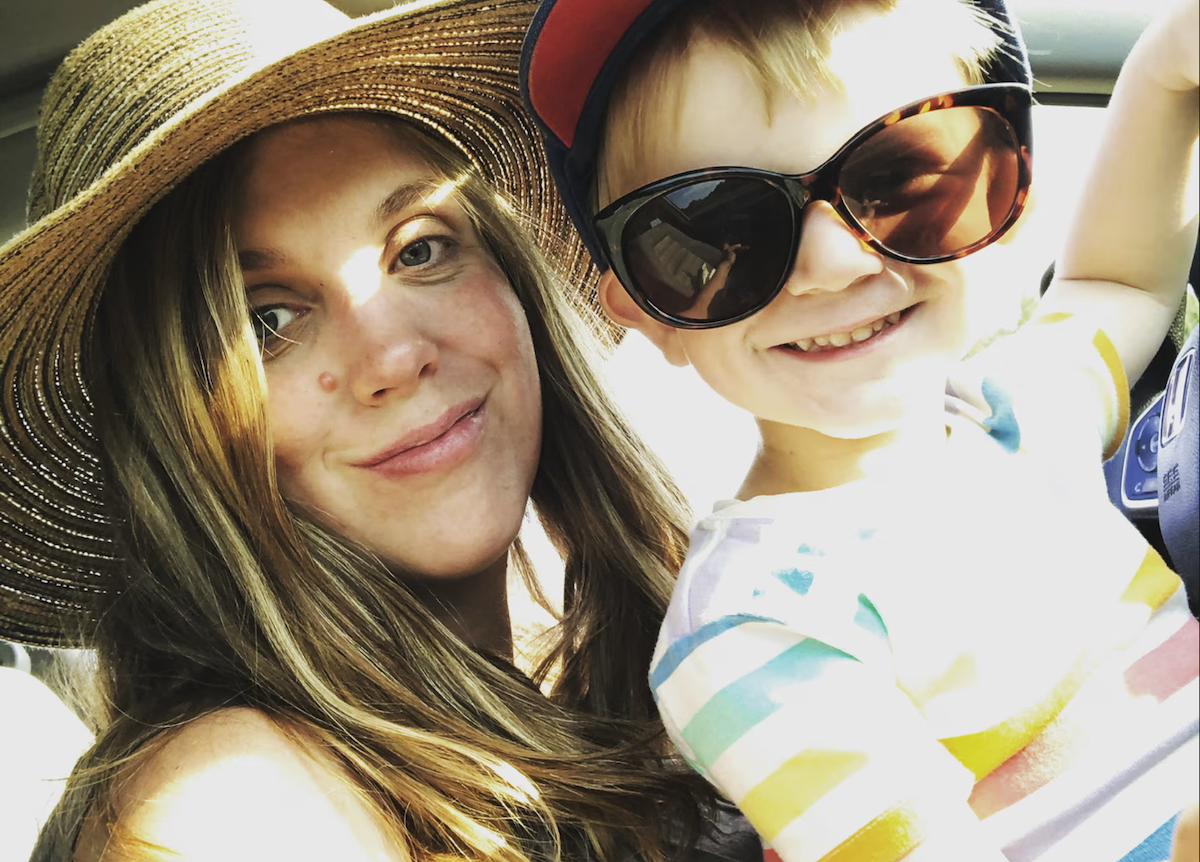
A Hillsdale family’s grief over the loss of their son, to alleged medical negligence, became an entry point to a wider issue surrounding New York’s wrongful death law, which limits damages in ways that often leave families of children who died while receiving care with little legal recognition of loss beyond the “economic value” of their kid. The McManus family was horrified to discover that New York law put no value on emotional harm or the punishment of malpractice and instead viewed their tragedy as little more than an accounting exercise.
We also highlighted a political bottleneck. The Grieving Families Act, which would remedy this issue, has passed the state legislature repeatedly only to be met by vetoes from the governor, under pressure from hospital and insurance interests. What I found was a portrait of how calculated policy decisions land in real lives—families forced to campaign while grieving, and accountability constrained by decades-old legal frameworks.
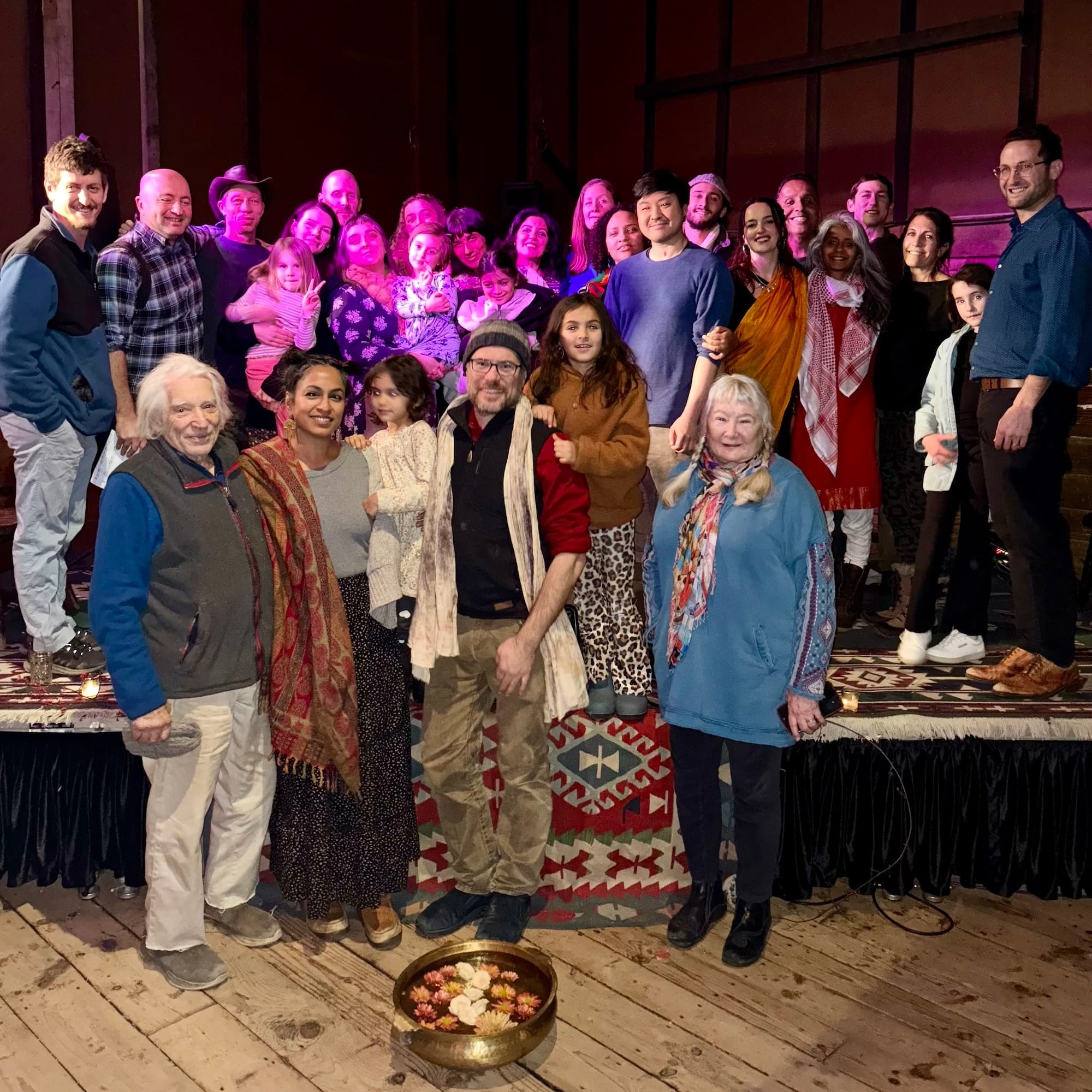
Race Brook Lodge’s closure ended a particular kind of Berkshires institution: part inn, part venue, part gathering place where music, art, food, and outdoor life overlapped in a way that didn’t feel sugar-coated. Over decades, it became a dependable site for shows, markets, residencies, and an informal community.
The final weeks underscored what disappears when places like this go dark: not just a business, but an ecosystem for artists and visitors, and a physical container for creativity and togetherness.

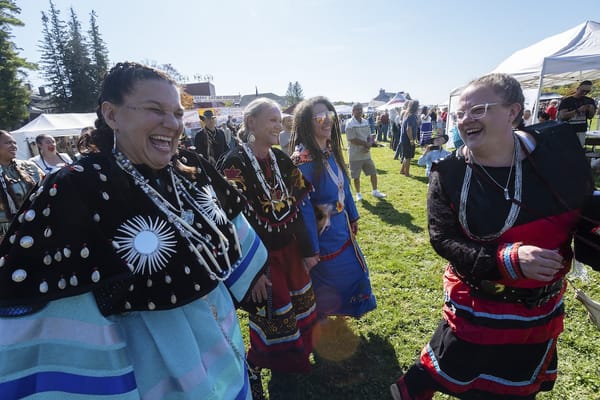
The Homelands Powwow brought Stockbridge-Munsee community members back to ancestral land in New Lebanon for a public gathering framed as return, continuity, and survival after generations of displacement. This wasn’t a novelty event or entertainment spectical—it was a deliberate act of presence, held with ceremony and intention.
Our companion photo coverage of the event emphasized faces, movement, and detail: regalia, drum groups, dance styles, and the mix of solemnity and joy. Together, the two pieces traced both the history and the present: intertribal dance, community leadership, and the insistence that connection to the land relationship remains active.
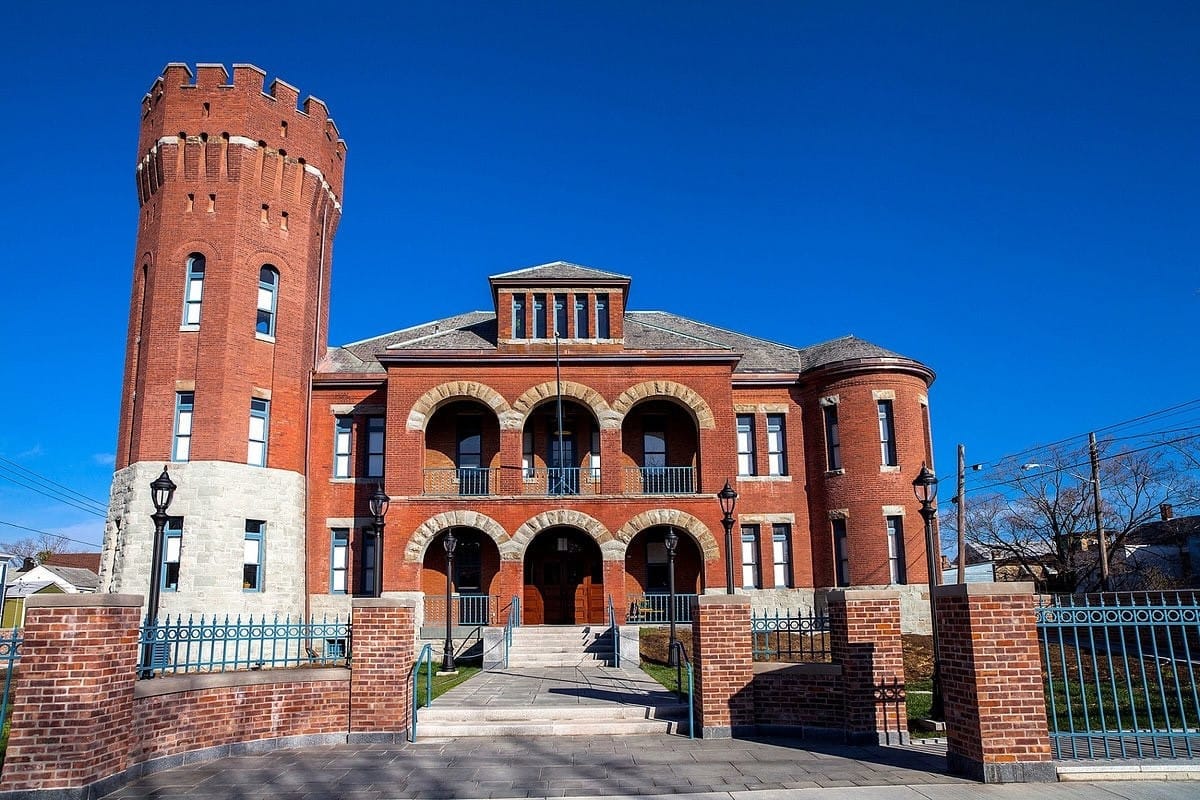
Bard College chief financial officer Taun Toay addressed what was, and wasn’t known about a proposed donation of numerous Hudson properties owned by the controversial Galvan Foundation to the school. We took stock of what “due diligence” timelines could look like, what a “gift” means when the assets have complicated histories, people living in them, or are the city’s active library.
A core point was managing fear and rumor, particularly around housing and displacement. The piece addressed concerns about what Bard might do with the buildings, what could be sold, and what could remain in use for civic or community purposes. It also acknowledged the local history: Galvan’s outsized footprint, the mix of restoration and resentment, and why any handoff of that scale can’t be treated like ordinary philanthropy.
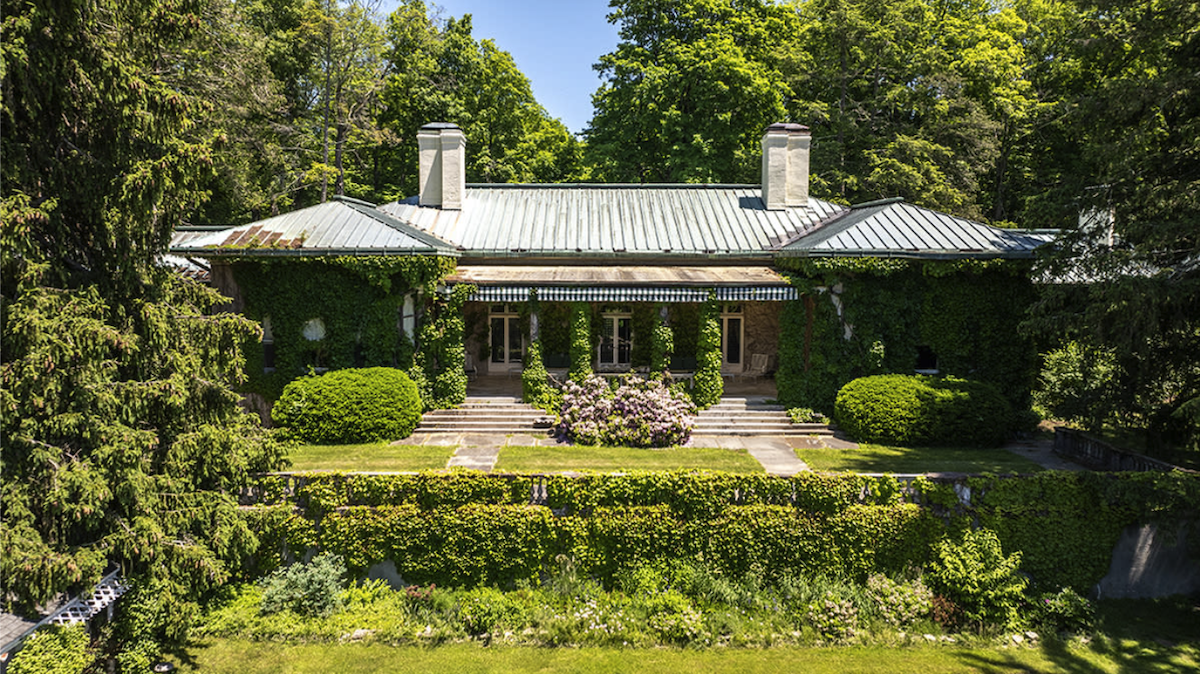
This piece really captured the RI readership’s imagination, presenting a historic view into Gilded Age wealth, architectural ambition, and the Millbrook years of Timothy Leary’s psychedelic experimentation.
The article traced what’s physically there—structures, scale, and marvelous design—and what’s culturally significant here: famous visitors, countercultural experiments, and the way the estate became a temporary Mecca for a certain kind of American eccentricity. Now, with a potential buyer evaluating the site, this article still provides meaningful local context.
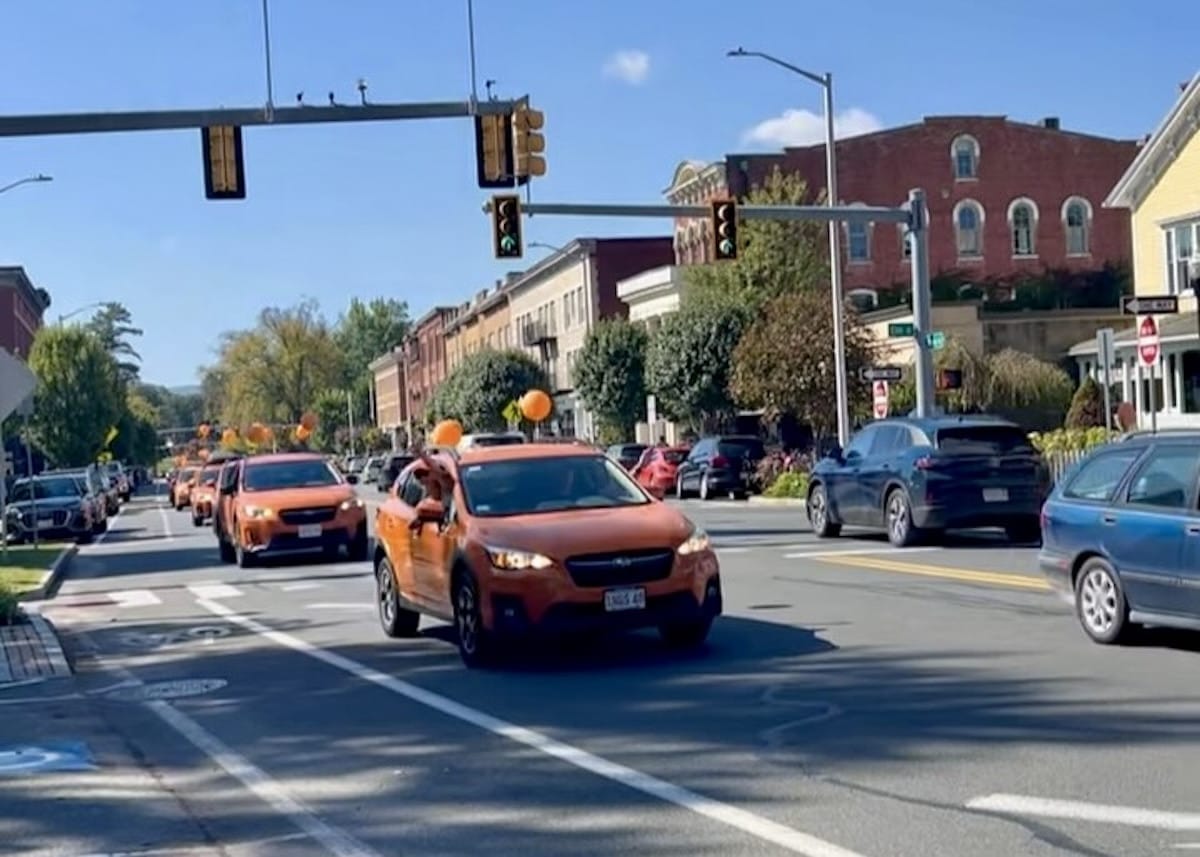
A parade of “Sunshine Orange” Subaru Crosstreks looping through Great Barrington should not have been a story. That was the point. The event was staged as a harmless interruption, absurd, unserious, and funny.
The spectacle was a small civic moment of perplexing creativity. Strangers gathering around something pointless in a way that still felt communal. It also captured the mechanics of how these things happen. An idea, a post, a meet-up, and suddenly a town has a story for the week. In a year full of heavier headlines, the orange-car caravan read as a reminder that public life is also made of odd, spontaneous rituals that don’t ask anything of people except to notice each other.