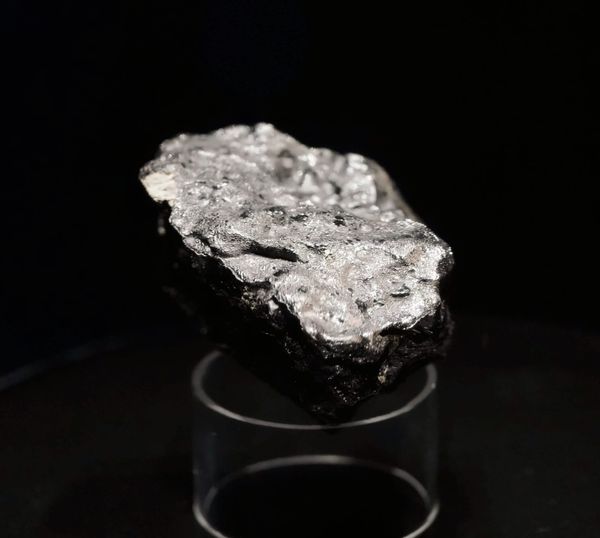
A coin’s face value looks permanent; the value of the metal inside it isn’t. That tension runs through America’s financial past, connecting distant mines with arguments over what a dollar should represent. Money that passed through an ordinary shop could carry the consequences of discoveries thousands of miles away.
The history of silver mining raises a question: how did a material dug from the ground become entangled with the nation’s financial rules? The question still matters because familiar coins and monetary language preserve traces of arrangements that no longer exist. Understanding those traces requires looking beyond the mint, toward the refining methods, trading routes, and mining districts that supplied its metal.
The Short Version: How Silver Built America's Money
Silver served as a medium of exchange for roughly 4,000 years before the United States existed. America inherited that monetary habit rather than inventing it. Mining and refining supplied the metal, while trade carried silver money across borders long before Americans established their own mint.
The Coinage Act of 1792 modeled the US dollar on the Spanish dollar, a coin minted from New World silver. The country’s monetary starting point therefore reflected an existing coin and the mining networks behind it, rather than an entirely new arrangement.
Later, the Comstock Lode’s output in the 1860s and 1870s made domestic silver supply a political question. Disputes over silver coinage and Treasury purchases became entangled with the Panic of 1893, followed by the eventual adoption of the gold standard.
Silver’s retreat from circulating coins began in 1965, but pre-1965 silver coins remain traded assets. Their denominations still organize transactions, even though their metal content now matters more than their spending power. The same material that once helped define American money thus survives outside its former monetary role, connecting the country’s coinage history with a market that still values the metal.
From Ancient Hacksilver to the Spanish Dollar
Silver’s usefulness as a medium of exchange depended on more than its appearance. Miners and refiners had to separate it from surrounding material in quantities that merchants could use. Each improvement in processing widened the distance between the mine and the market.
How the Silver Trade Began With Cupellation
Silver circulated in Anatolia and Mesopotamia by roughly the third millennium BC. Merchants weighed cut fragments, known as hacksilver, rather than trusting a stamped denomination. Payment depended on the metal’s weight and purity.
Cupellation helped make that trade possible. Refiners heated silver-bearing lead under oxidizing conditions, removing the lead and leaving precious metal behind. The method later supported Athens’ Laurion mines and the Roman Empire’s coinage, making monetary silver available on a much larger scale.
Potosí, Mexico and the Coin America Adopted
Spain’s exploitation of Potosí from 1545, alongside mining in Mexico, transformed silver’s reach. The mercury-based Patio Process, developed in the 1550s, allowed refiners to recover silver from ores that were difficult to process economically by smelting alone.
New World production fed global trade, and the Spanish dollar, or “piece of eight,” became a widely recognized payment coin. Merchants knew its silver content, helping its acceptance cross political borders.
American colonists spent these coins before the United States established its own mint. The Spanish dollar remained legal tender in the United States until 1857.
Comstock Silver and the Fight Over America's Money
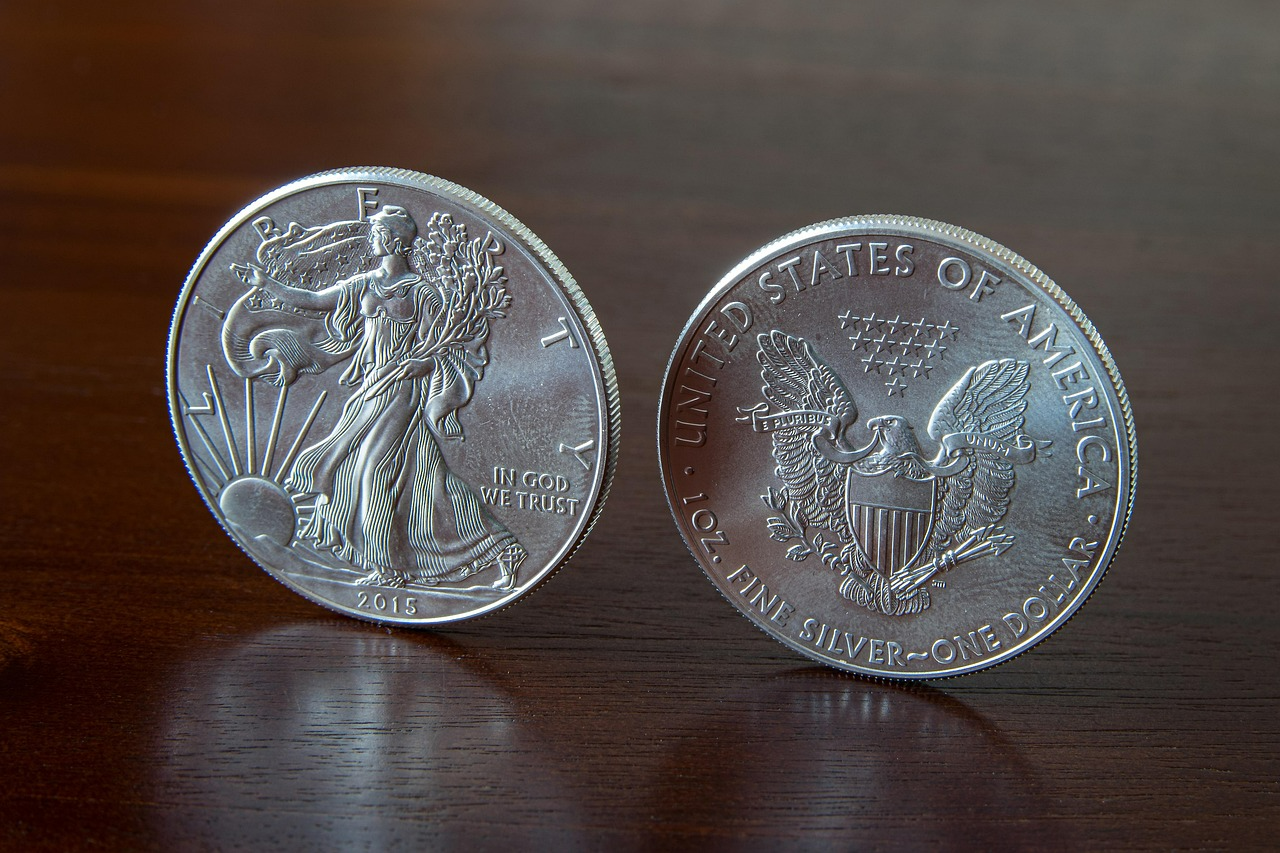
By the mid-nineteenth century, the United States was becoming a major silver producer rather than simply a user of imported coins. That change exposed a tension within bimetallism: law could fix the monetary relationship between gold and silver, but mining and markets didn’t have to respect it.
The Comstock Lode and the Washoe Process
The 1859 discovery of the Comstock Lode near Virginia City, Nevada, brought an extraordinary concentration of silver ore into production. The mining boom needed a processing method that could keep pace.
The Washoe Process adapted mercury amalgamation to local ore, using heated pans and mechanical agitation to accelerate recovery. Silver refining turned underground wealth into marketable metal quickly enough to sustain expanding operations.
Mine owners wanted dependable demand for their output, while supporters of expanded silver coinage sought a larger money supply.
From the Crime of '73 to the Panic of 1893
The Coinage Act of 1873 ended the standard silver dollar’s place in unrestricted coinage. Silver advocates called it the “Crime of ’73,” arguing that the change privileged gold just as Western silver output expanded.
The Sherman Silver Purchase Act of 1890 required the Treasury to buy about 4.5 million ounces monthly. It paid with Treasury notes redeemable in coin; gold redemptions pressured reserves. That pressure contributed to the Panic of 1893, although silver policy alone didn’t cause the crisis.
Repeal followed in 1893. The unsuccessful “Cross of Gold” campaign in 1896 kept the dispute alive, but the Gold Standard Act of 1900 settled the dollar’s standard in gold. Silver remained in coins without an equal claim to define the monetary system.
Why Silver Left America's Coins but Not Its Markets
By the 1960s, industrial demand and rising silver prices put pressure on another monetary arrangement: precious metal inside everyday change. The question was no longer which metal should define the dollar, but whether silver belonged in circulating coins at all.
Junk Silver and the End of Silver Coinage
The Coinage Act of 1965 removed silver from newly issued dimes and quarters. Half dollars retained a reduced 40% silver content through 1970.
Earlier dimes, quarters, and half dollars contained 90% silver. Circulated examples became known as “junk silver,” distinguishing their metal value from collectible premiums, not describing worthless material. The phrase “junk silver for sale” generally refers to this bullion-oriented market.
Those old 90% silver dimes, quarters, and half dollars still change hands, with dealers quoting junk silver coin bags priced by face value rather than by coin count, preserving the denominations as a way to describe quantities of metal. Face value organizes the lot; it doesn’t determine its market price.
Who Mines Silver Today and Why It Is Different
Mexico, China, and Peru rank among the leading silver-producing countries. Roughly 70% of silver production comes as a byproduct of copper, lead, and zinc mining.
That makes comparisons with gold more complicated than asking which metal is harder to mine. Ore grade, geology, and processing determine extraction difficulty, while byproduct supply also responds to demand for the host metals. A higher silver price alone doesn’t necessarily justify expanding a copper mine.
Artificial production isn’t an economical substitute for mining. Meanwhile, industrial uses of silver, including electronics and solar panels, now drive most demand rather than coinage needs.
What Silver's Story Still Tells Us About Money
America’s relationship with silver moved from imported Spanish coins to domestic mining wealth, then into disputes over redemption, reserves, and the monetary standard. Later, rising metal values challenged the practicality of silver coinage itself. The recurring problem was the gap between monetary rules and a commodity’s changing supply and value.
Silver mining therefore shaped more than the contents of a purse. It helped determine what Americans expected their money to represent. Silver’s influence hasn’t vanished, but its role has changed: the metal that once helped define the dollar now trades alongside it as a commodity.