RI's Top 10 Arts Articles of the Year
Our arts coverage this year traced wide creative, emotional, and political ground—from delight and irreverence to grief, reckoning, and resistance.

Our arts coverage this year traced wide creative, emotional, and political ground—from delight and irreverence to grief, reckoning, and resistance.
Our arts coverage this year traced wide creative, emotional, and political ground—from delight and irreverence to grief, reckoning, and resistance. Across galleries, performance spaces, studios, and historic institutions, these stories captured moments when art didn’t just entertain, but clarified something essential about where this region, and the country, finds itself.
Together, these ten articles reflect the range of what “arts journalism” can mean here: close-looking criticism, on-the-ground reporting, cultural history, and urgent news. They spotlight artists and institutions operating at vastly different scales.
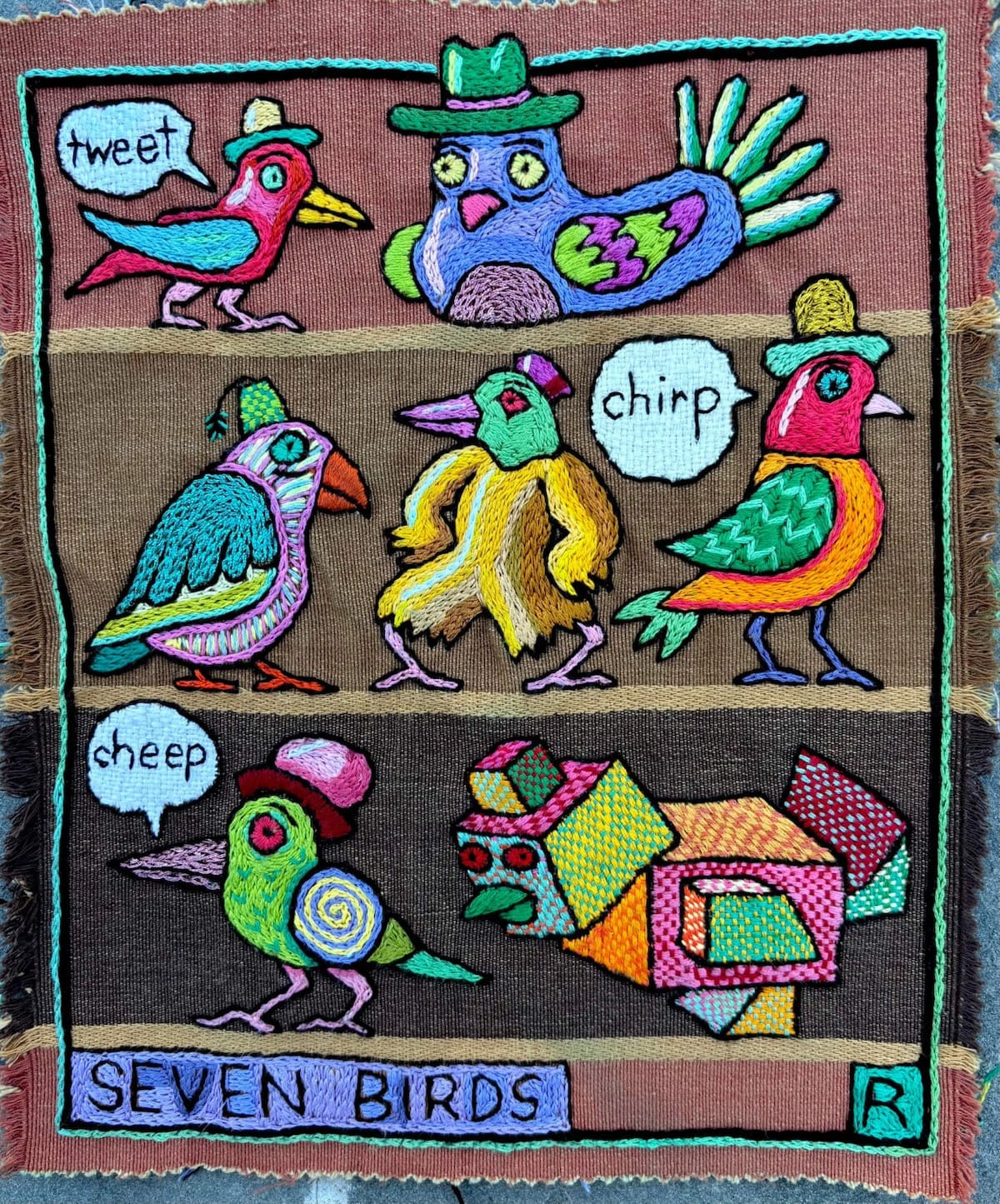
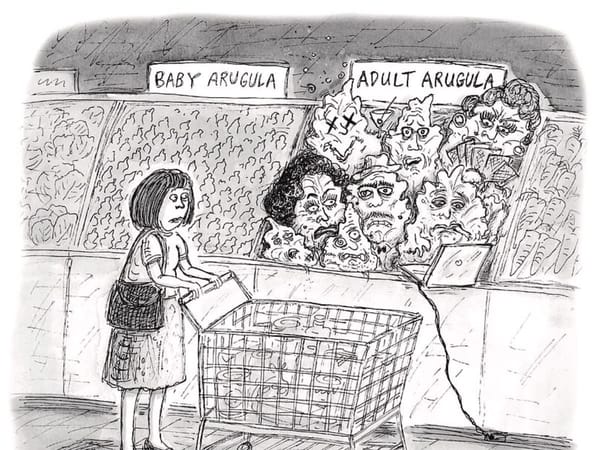
Catching a national viral algorithm, this was actually our best performing article of the entire year! Roz Chast’s closing exhibition at Carol Corey Fine Art was, fittingly, funny, anxious, and personal. The article situates the beloved New Yorker cartoonist’s work within a regional context, showing how Chast’s unmistakable scribbly, obsessive, and tender approach translated seamlessly to a gallery setting.
Beyond the humor, the piece draws out the emotional undercurrents of Chast’s work: aging, dread, memory, and the low-grade panic of everyday life. As both a celebration and a farewell, the show captured a rare convergence of cultural icon and intimate local moment.
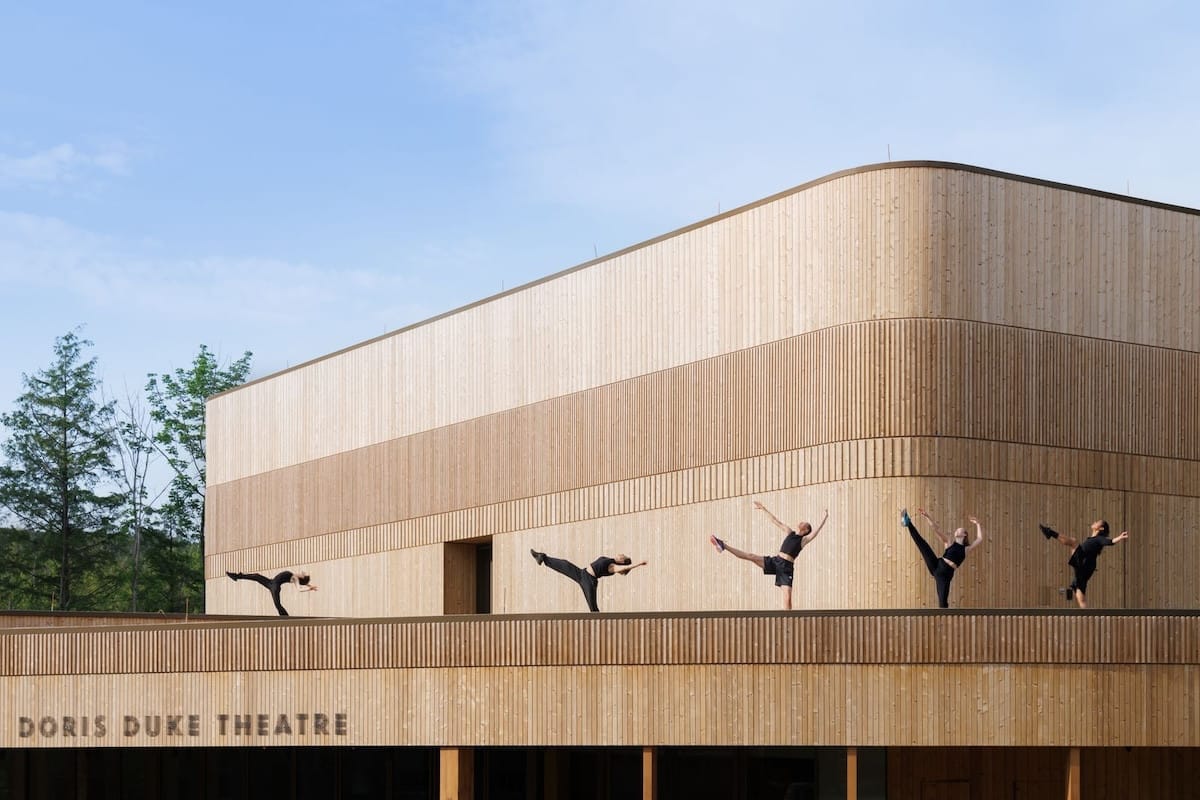
The reopening of the Doris Duke Theatre marked a pivotal moment for Jacob’s Pillow, and this article captured both the technical ambition and artistic promise of the new space. From acoustics to sightlines, the piece explained how design choices shape the experience of contemporary dance.
Equally important in this piece was the sense of renewal. The theater emerged not just as a rebuilt venue, but as a recommitment to experimentation and access, positioning Jacob’s Pillow for its next century while honoring its legacy.
One of the year’s most difficult stories, we reported on Jacob’s Pillow’s decision to cancel the remainder of its festival season following the tragic workplace death of a beloved staff member.
By situating the cancellation within the Pillow’s long history and deep emotional ties to the dance world, we tried to acknowledge both the institutional gravity of the decision and the human loss beneath it.
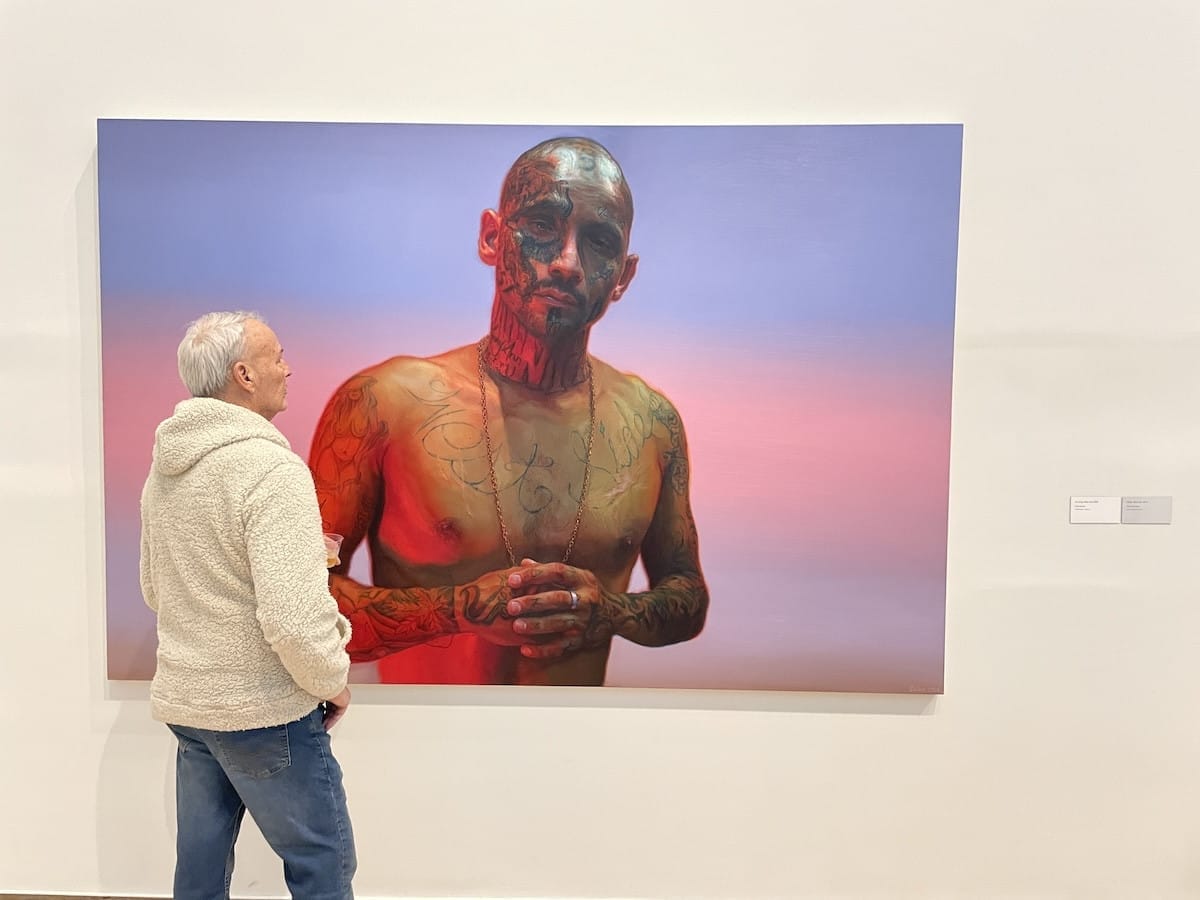
Vincent Valdez’s monumental exhibition at MASS MoCA demanded time, attention, and moral reckoning. This article unpacked the painter’s unflinching engagement with American violence, racism, and historical erasure, situating the work within a broader lineage of politically charged figurative painting.
In our reporting we tried to acknowledge the anger embedded in Valdez’s canvases while also tracing the tenderness and grief that animate them. The piece captures an insistence that art can, and must, refuse national forgetting.
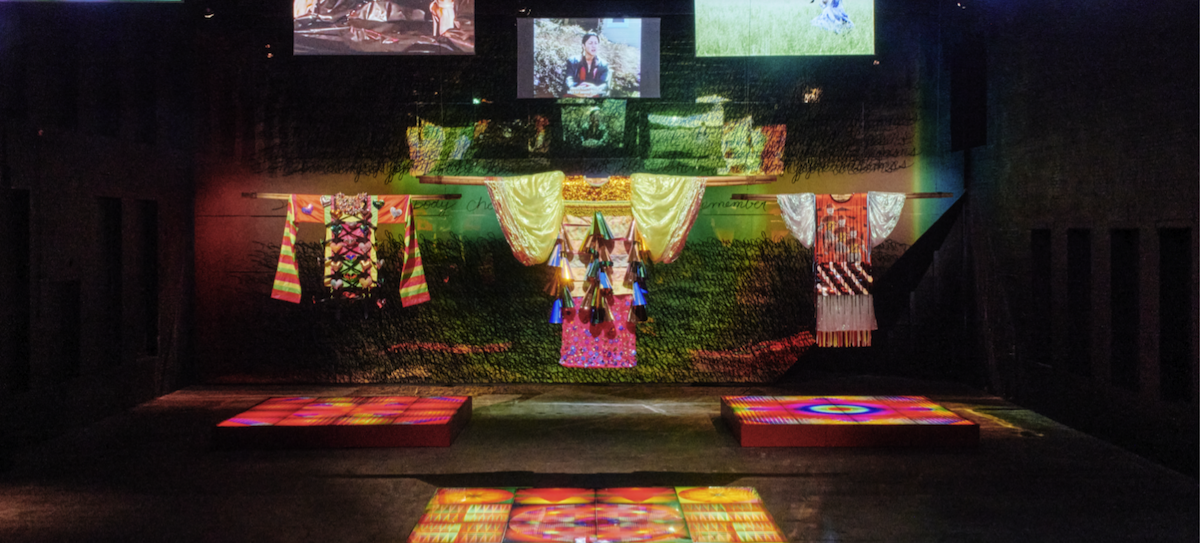
Speaking of national forgetting… This was one of the year’s most shocking arts news stories, documenting the federal defunding of Indigenous art programming at MASS MoCA. The article clearly laid out what is on the line in America: This is not abstract general funding being targeted by the Trump administration but specific exhibitions, artists, and cultural narratives abruptly cut off.
More than a policy report, the piece examined how funding decisions reverberate through institutions and communities, especially those already marginalized. It served as a reminder that arts infrastructure is inseparable from politics.
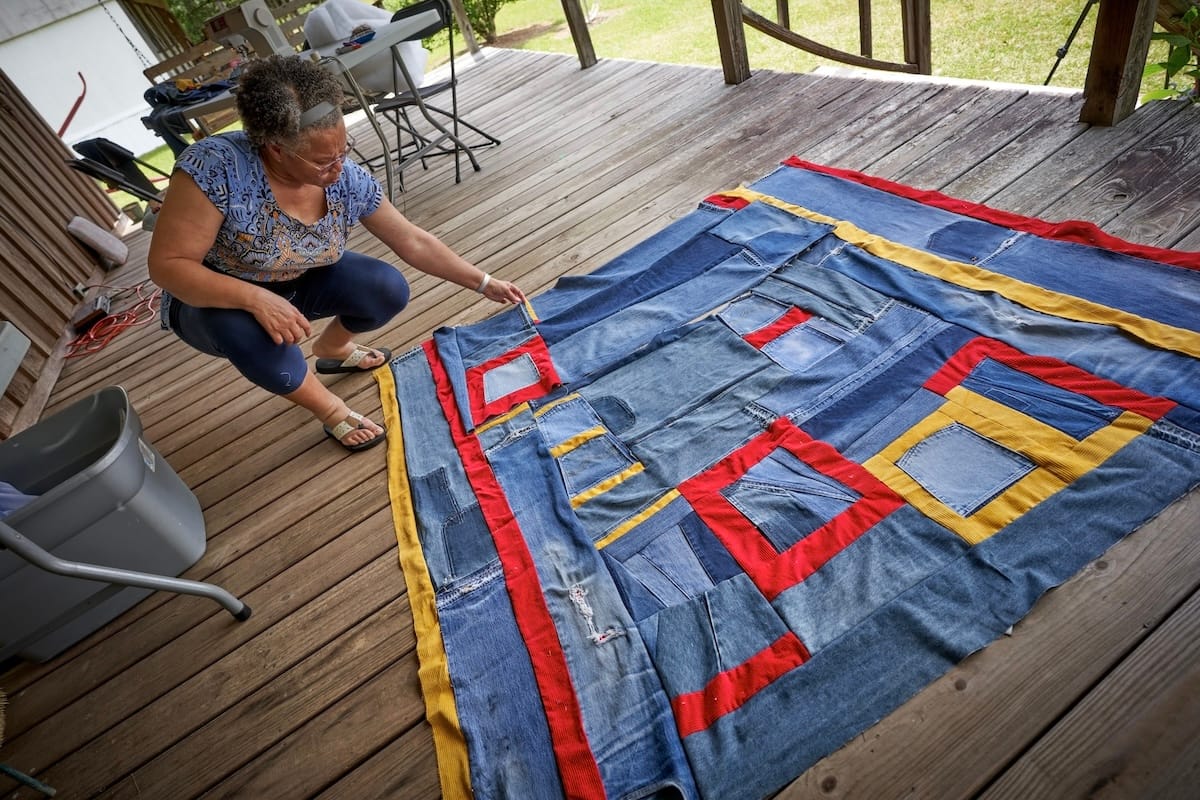
This article brought national art history into intimate local focus, chronicling the arrival of the Gee’s Bend quilters’ work in Spencertown. It traced the quilts’ roots in Black Southern life while emphasizing their radical formal innovation. The women have long been celebrated by artists while often overlooked by institutions.
Our coverage foregrounded the quilts as living cultural documents rather than static artifacts, connecting craft, lineage, and meaning. The quilts have a place not just in folk traditions, but in the canon of American art.
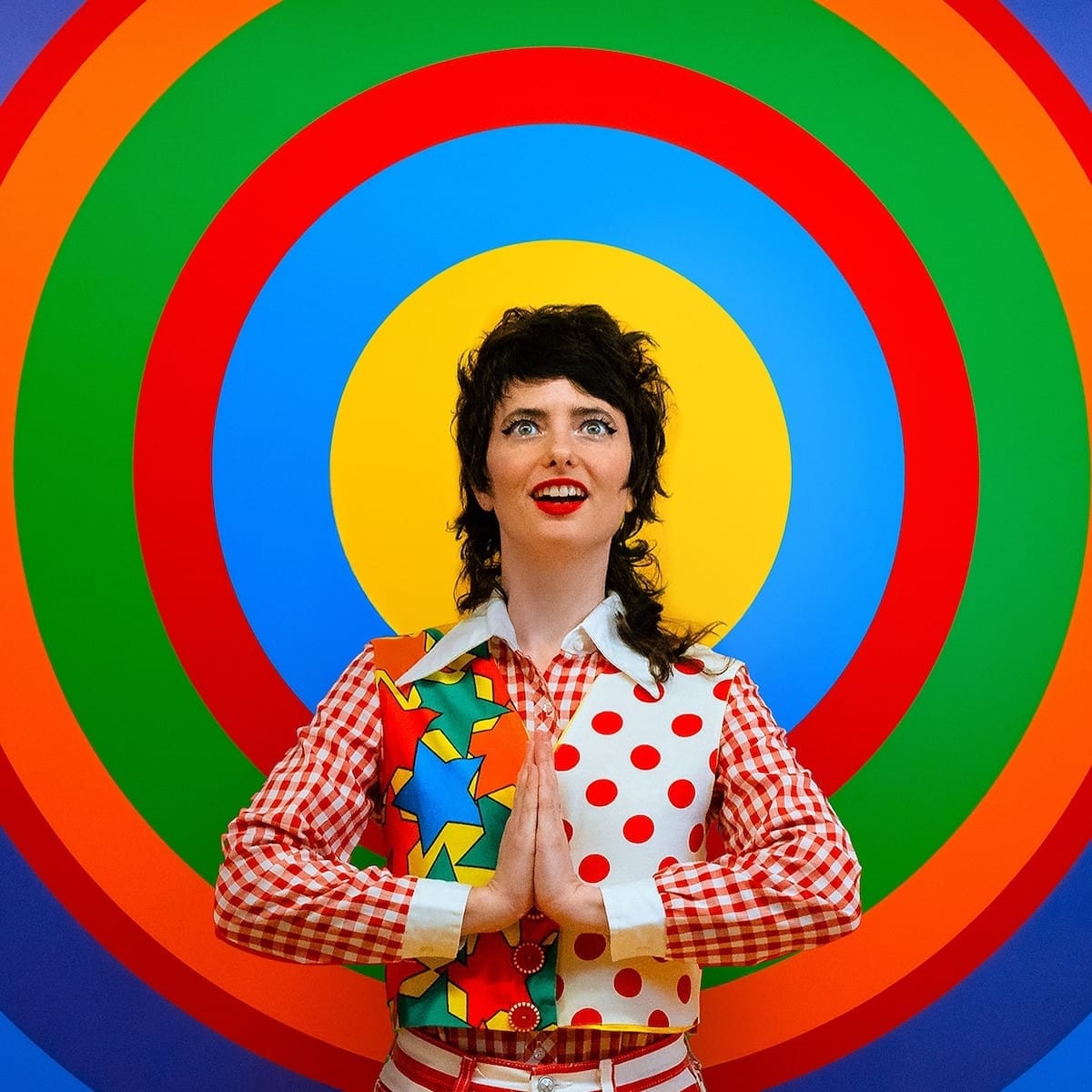
Sarah Sherman’s performance at MASS MoCA was not designed to comfort, and this article embraced that fact. The coverage captured the abrasive, chaotic energy of Sherman’s comedy, explaining why her willingness to provoke is central to her appeal. The show was also practice for her recently released HBO special.
By contextualizing the performance within the museum’s broader embrace of boundary-pushing work, the piece framed discomfort as a productive artistic force. It argued that squirming, in this case, was the point, and part of the fun.
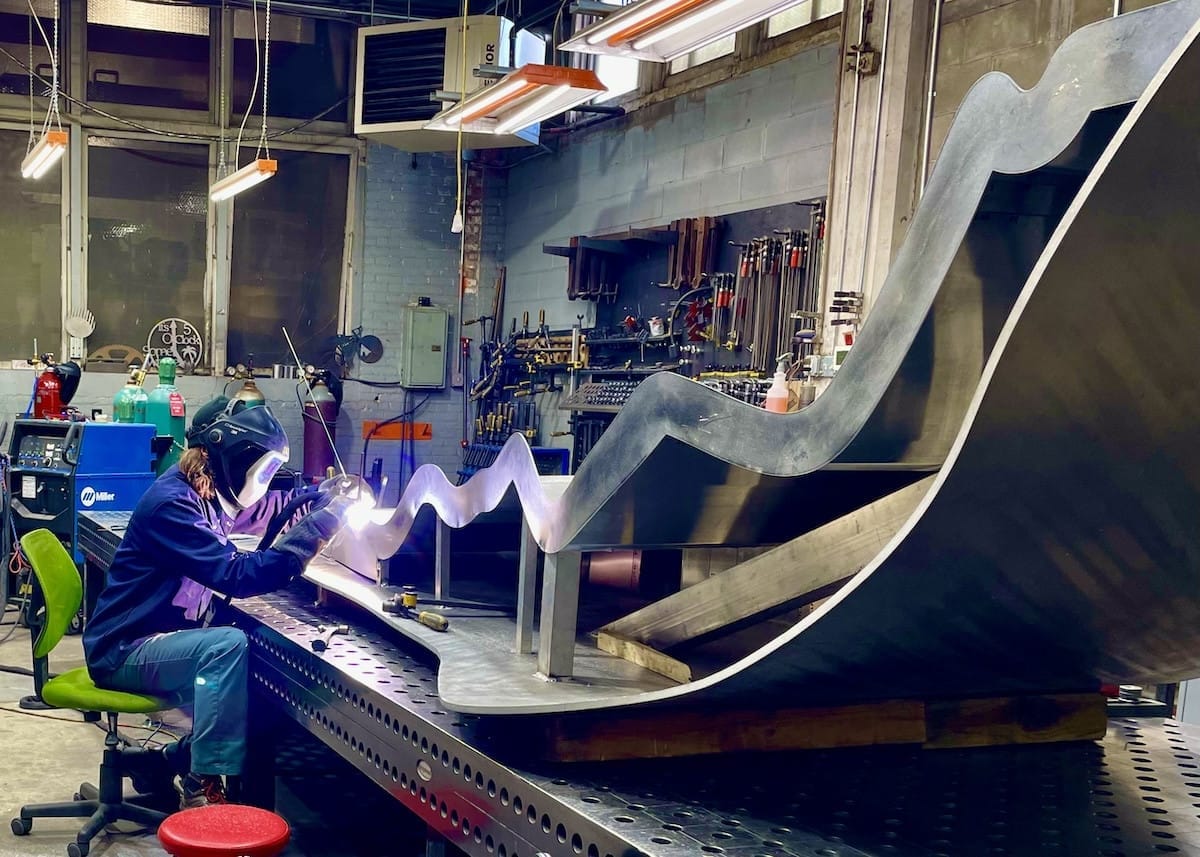
This behind-the-scenes look at 4th State Metals revealed a hidden engine of large-scale sculpture operating quietly in Poughkeepsie. The article traced how industrial fabrication, artistic ambition, and regional expertise intersect in unexpected ways.
What elevated the piece was its attention to process—the physical labor, collaboration, and technical precision required to make monumental artworks possible.
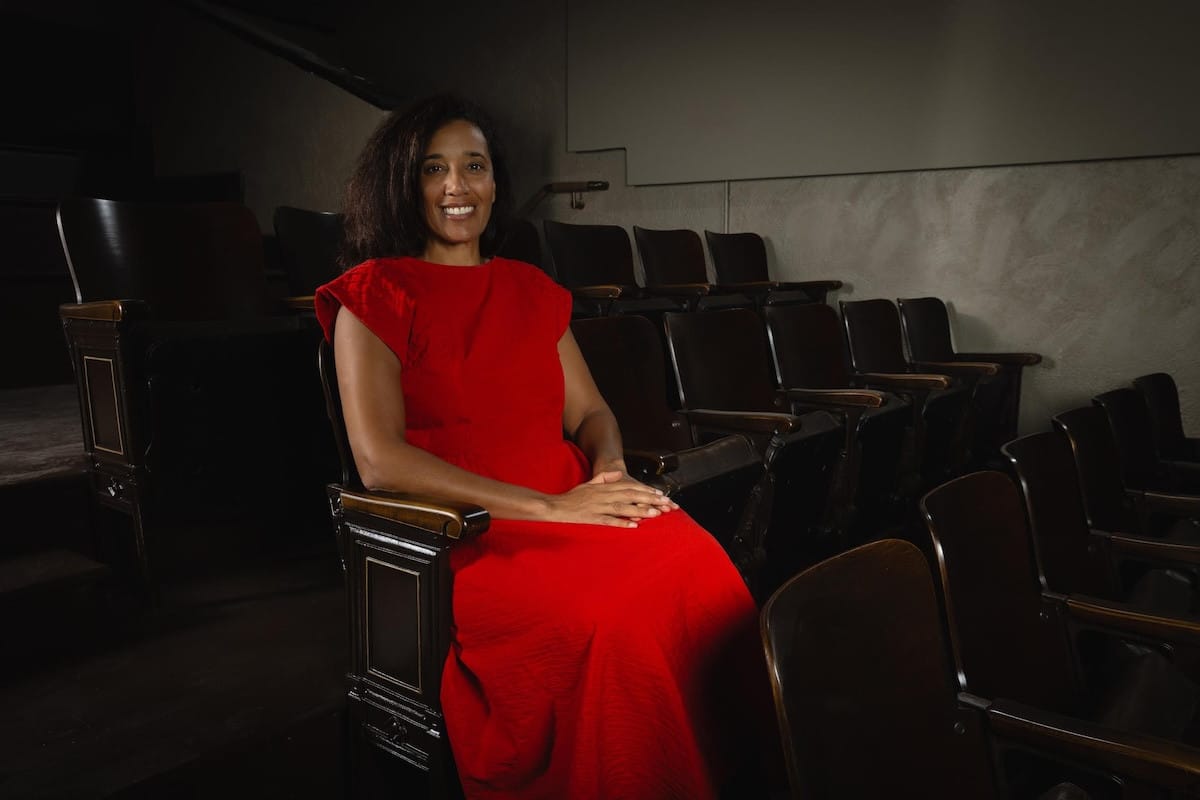
We examined a critical moment at the Crandell Theatre, in advance of reopening in time for the FilmColumbia festival. There was renovation, leadership change, and evolving programming. Rather than focusing solely on aesthetics, we dug into what sustainability means for a small, historic cinema.
By connecting Crandell's future to FilmColumbia and broader shifts in independent film exhibition, the piece positioned the theater as both steward of tradition and active participant in contemporary film culture. It was a hopeful, clear-eyed look at reinvention done thoughtfully.
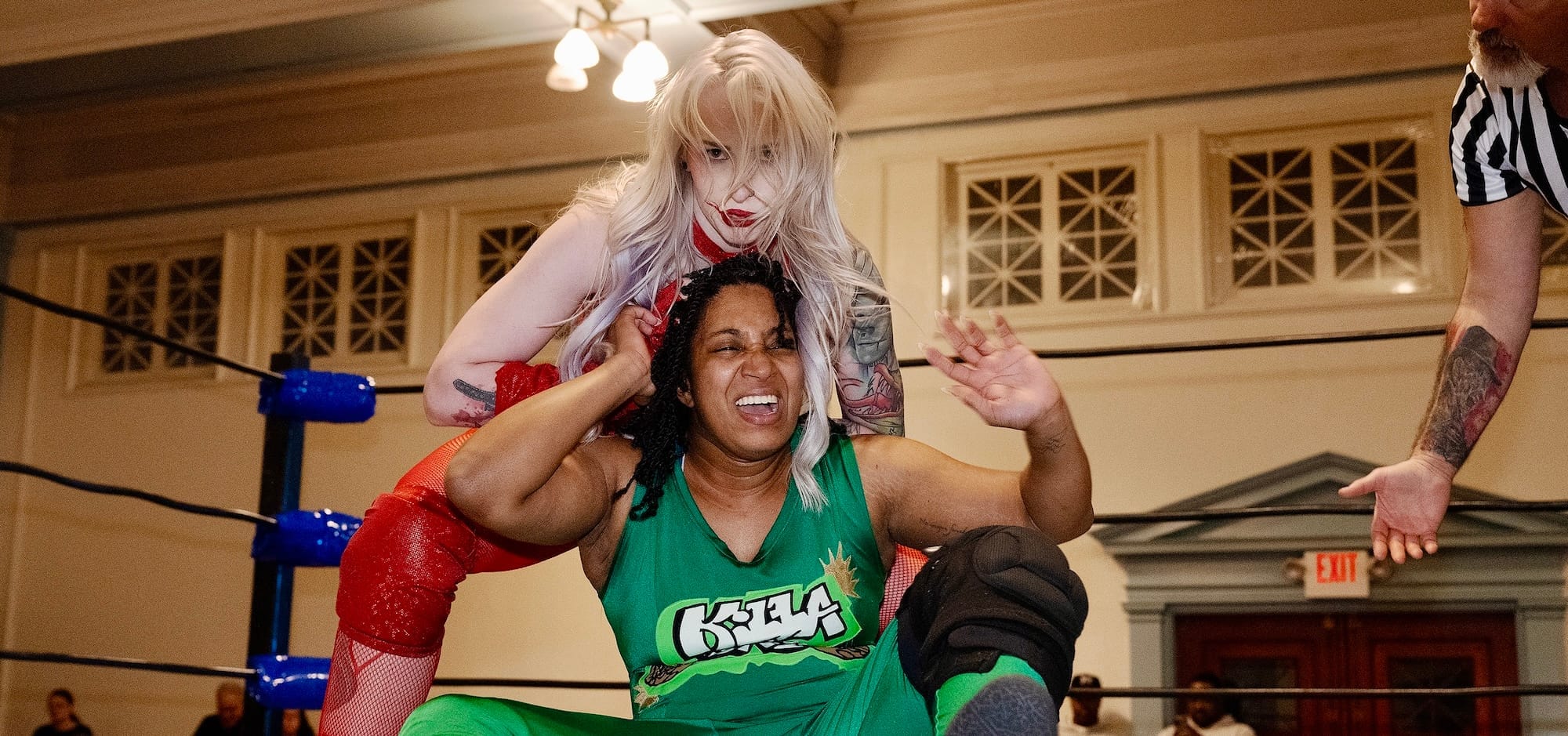
Lastly, this article didn’t perform great but it was one of my personal favorites to report and write. Treating professional wrestling as both performance art and cultural history, this article explored its deep roots in the Berkshires. We traced a century of local matches, personalities, and rituals that blurred the line between sport and theater.
By taking wrestling seriously, without stripping it of its spectacle, the piece expanded the definition of what qualifies as regional art. It argued that storytelling, physicality, and audience participation are central.