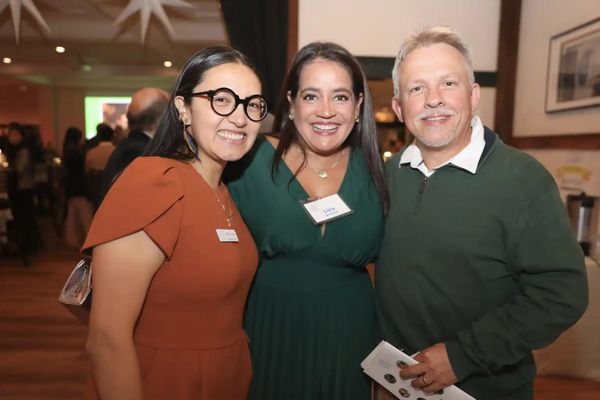
Pictured: an official AI generated post made by the Coalition for a Healthy Massachusetts. Impact on state snack aisles is not noted as a policy position on the organization's website.

Massachusetts became the first state in the country to ban marijuana, in 1911, then became one of the earlier states to legalize recreational sales, in 2016. This November, Question 8 asks voters whether to repeal that legalization—which would make Massachusetts the first state to undo legal recreational cannabis by popular vote.

Polls show the referendum, launched by a national anti-drug lobbying group and not a concerted local effort, is unlikely to pass, but many are still left wondering why a popular and profitable new industry needs to worry about this at all. Here is a rundown of the movement to harsh Massachusetts’ buzz. 

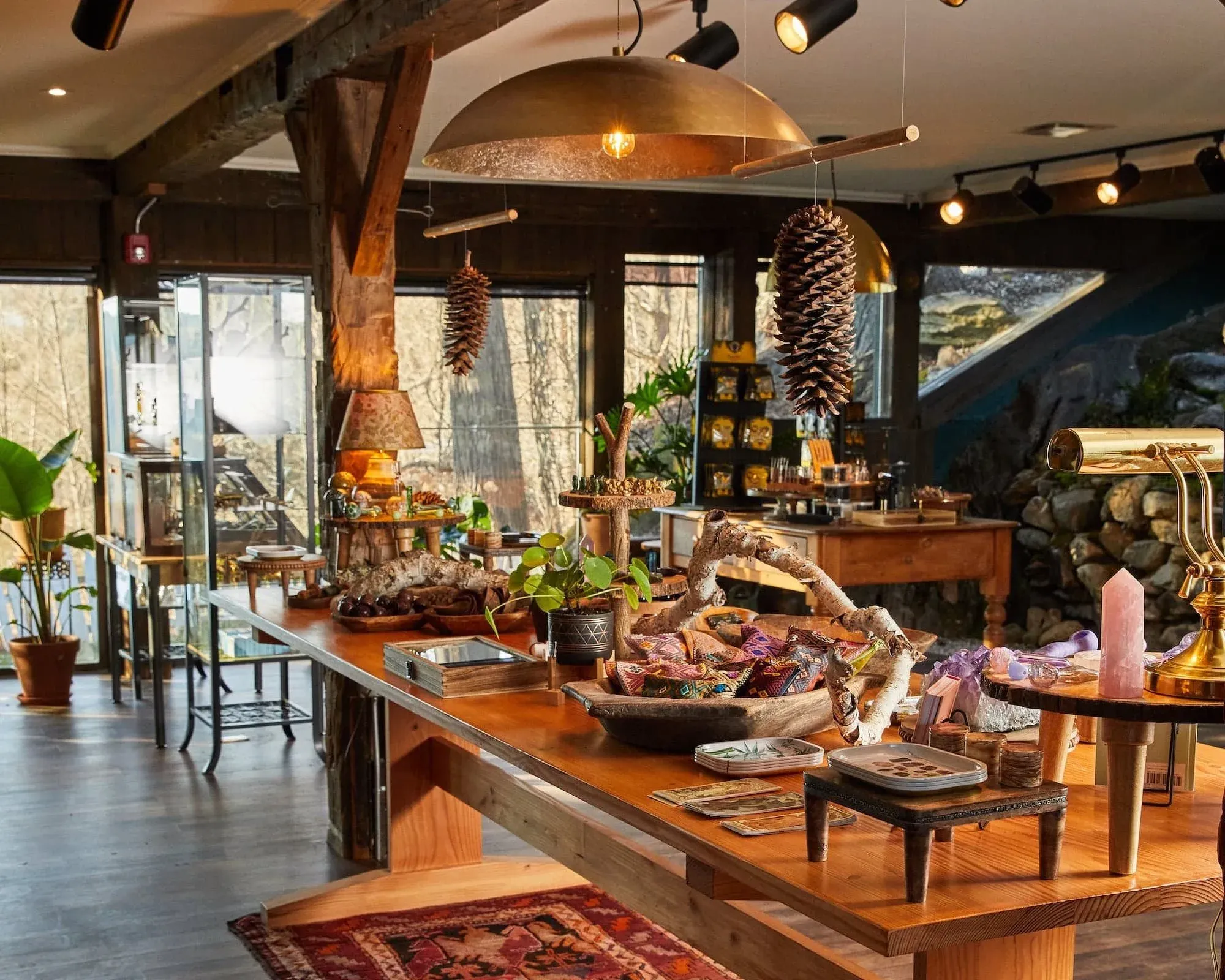
Inside Sweetgrass Botanicals, a female owned and operated dispensary with a focus on wellness and healing in Lee MA.

What the Measure Does

Formally titled "An Act to Restore a Sensible Marijuana Policy," Question 8 would repeal the state laws that regulate and tax adult-use cannabis sales and cultivation. It would leave the state's medical marijuana program untouched.

Personal possession would change little: adults 21 and older could still carry up to one ounce with no penalty. Between one and two ounces would draw a $100 civil fine and forfeiture of the marijuana. More than two ounces would carry the same criminal penalties already on the books—up to a $500 fine or six months in jail. Home cultivation, currently legal, would be eliminated.

Existing dispensaries would have a two-year window before the law takes effect, on January 1, 2028, during which they could apply for expedited medical marijuana licenses instead of closing. Medical licensing costs more than recreational licensing does today: $50,000 a year plus a $3,500 application fee, versus $10,000 and $1,500 for most recreational operators (social equity, minority-owned, and women-owned businesses currently pay a reduced $5,000 recreational fee).

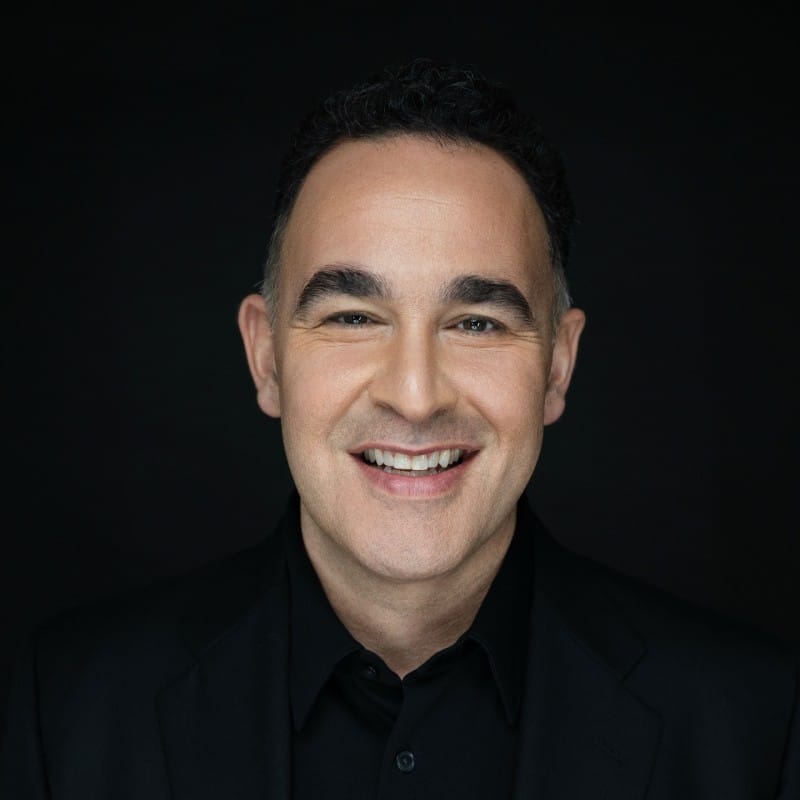
Kevin Sabet, President of Smart Approaches to Marijuana (SAM) and Foundation for Drug Policy Solutions does not live in Massachusetts.

Who's Funding the Repeal Effort?

The campaign is organized under the name Coalition for a Healthy Massachusetts. According to campaign finance filings reviewed by WAMC, the entirety of the coalition's roughly $1.5 million in fundraising, as of its most recent disclosure, came from a single source: SAM Action, Inc., a Virginia-based political nonprofit.

SAM Action is the political arm of Smart Approaches to Marijuana, a national organization founded in 2013 by former Congressman Patrick Kennedy of Rhode Island and Kevin Sabet, a former White House drug policy adviser. Since its founding, SAM has opposed legalization campaigns in numerous states, including a role in defeating Ohio's 2015 legalization measure and opposing Massachusetts' own 2016 legalization vote, which passed anyway. SAM is backing similar repeal campaigns in Maine and Arizona alongside the Massachusetts effort in this election cycle.

SAM states on its website that its funding comes from family foundations and individual donors, and says it takes no money from the alcohol, tobacco, opioid, or prison industries. As a 501(c)(4) organization, SAM Action is not required by federal law to disclose its own donor list, and it has resisted disclosure requirements elsewhere: in 2019, its New York chapter petitioned state ethics regulators to keep its donors confidential, citing concern about harassment. New York's Joint Commission on Public Ethics denied the request. Massachusetts campaign finance law captured the $1.5 million figure because SAM Action's donation to the Massachusetts coalition was itself a disclosed transaction; the original source of that money, inside SAM Action's own books, is not public.

Sabet, SAM's president and CEO, holds a PhD in social policy from Oxford, not a medical degree, and served as a drug policy adviser in the Clinton, Bush, and Obama administrations. He has said publicly that his opposition to legalized marijuana traces to being raised in the Baha'i faith, which prohibits recreational drug and alcohol use; his family emigrated from Iran before the 1979 revolution. He has also built ties to Catholic institutions in his advocacy work: in 2016, the Vatican's Pontifical Academy of Sciences named him one of four American advisers to brief Pope Francis on drug policy, and he has since given interviews to Catholic outlets, including the Minnesota Catholic Conference. Kennedy, SAM's co-founder, is a former Rhode Island congressman who has spoken publicly about his own history with opioid addiction and now runs a mental health advocacy organization, the Kennedy Forum. A third co-founder, David Frum, is a former George W. Bush speechwriter and current Atlantic staff writer.

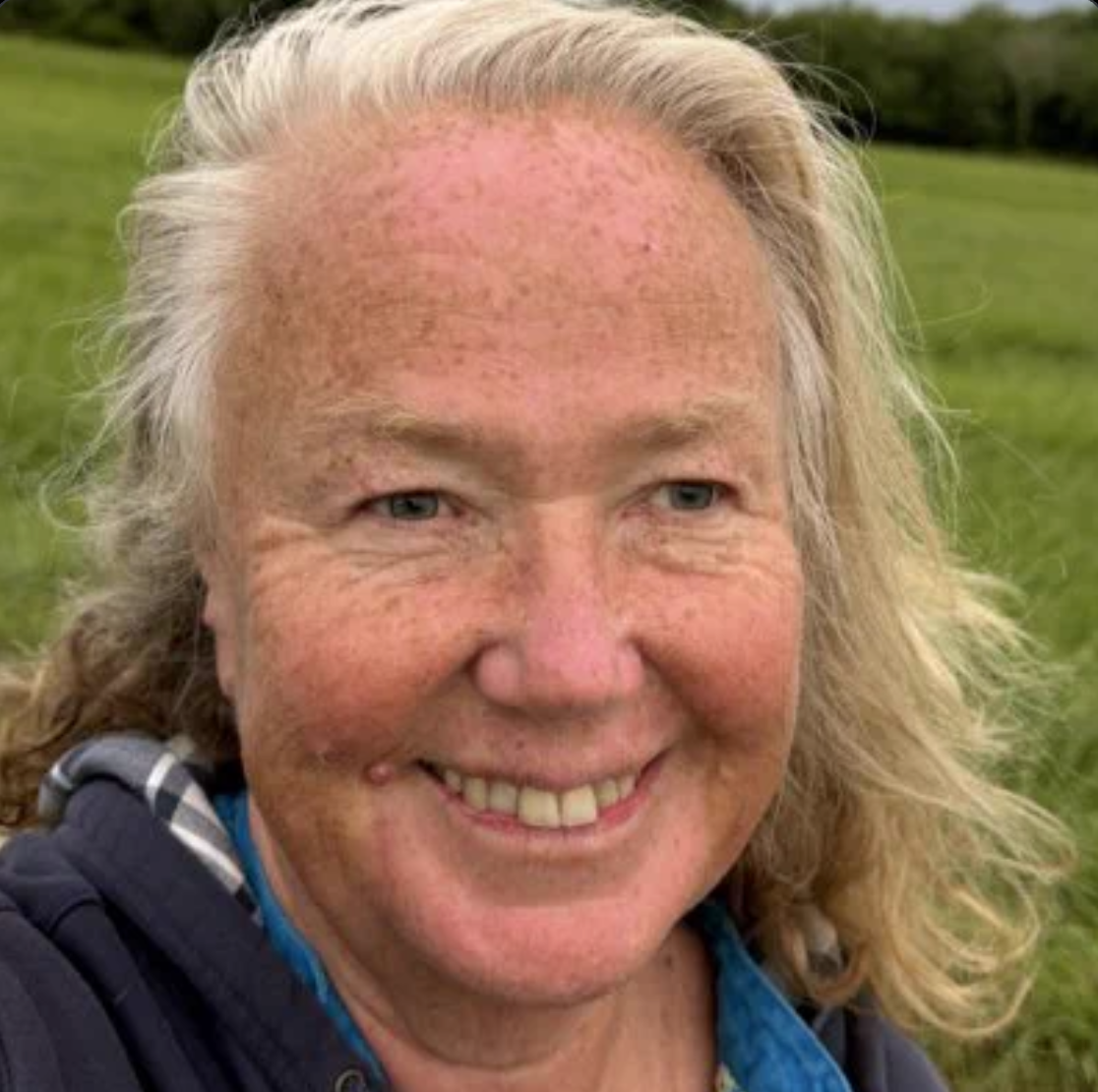
Coalition for a Healthy Massachusetts Chairwoman Wndy Wakeman.

Who Is Running the Campaign in Massachusetts?

The coalition's public face is Wendy Wakeman, who serves as both spokesperson and chair. Wakeman is a longtime figure in Massachusetts Republican politics: a former selectwoman in North Andover, and, according to Foley Hoag's cannabis law blog, "a veteran of Republican Party politics." She managed Kevin O'Connor's 2020 US Senate campaign against incumbent Ed Markey, and has been a regular strategist and media presence for the Massachusetts GOP in the years since, including advising on the party's internal leadership contests.

At a March 23 legislative hearing on the ballot measure, a state senator introduced Wakeman as a SAM affiliate; she corrected him on the record, identifying herself instead as the initiative petition's campaign spokesperson. Under questioning at that same hearing from state Sen. Cindy Friedman about the data behind her testimony, Wakeman acknowledged that not all of her cited sources held up.

One example: Wakeman has cited a statistic that roughly half of drivers in fatal Massachusetts crashes test positive for marijuana. When WAMC asked for the source, Wakeman provided a 2025 American College of Surgeons study. That study, however, was conducted using Ohio crash data, not Massachusetts data, and its authors explicitly reported "no change in THC positivity after legalization."

The coalition's signature-gathering tactics have also drawn scrutiny. An objection filed with the Secretary of the Commonwealth's office alleged that paid signature-gatherers told some residents the petition concerned fentanyl, affordable housing, or public parks, rather than cannabis legalization. Wakeman has disputed that characterization, saying canvassers were trained to gather signatures accurately and that the coalition found no evidence of deceptive collection.

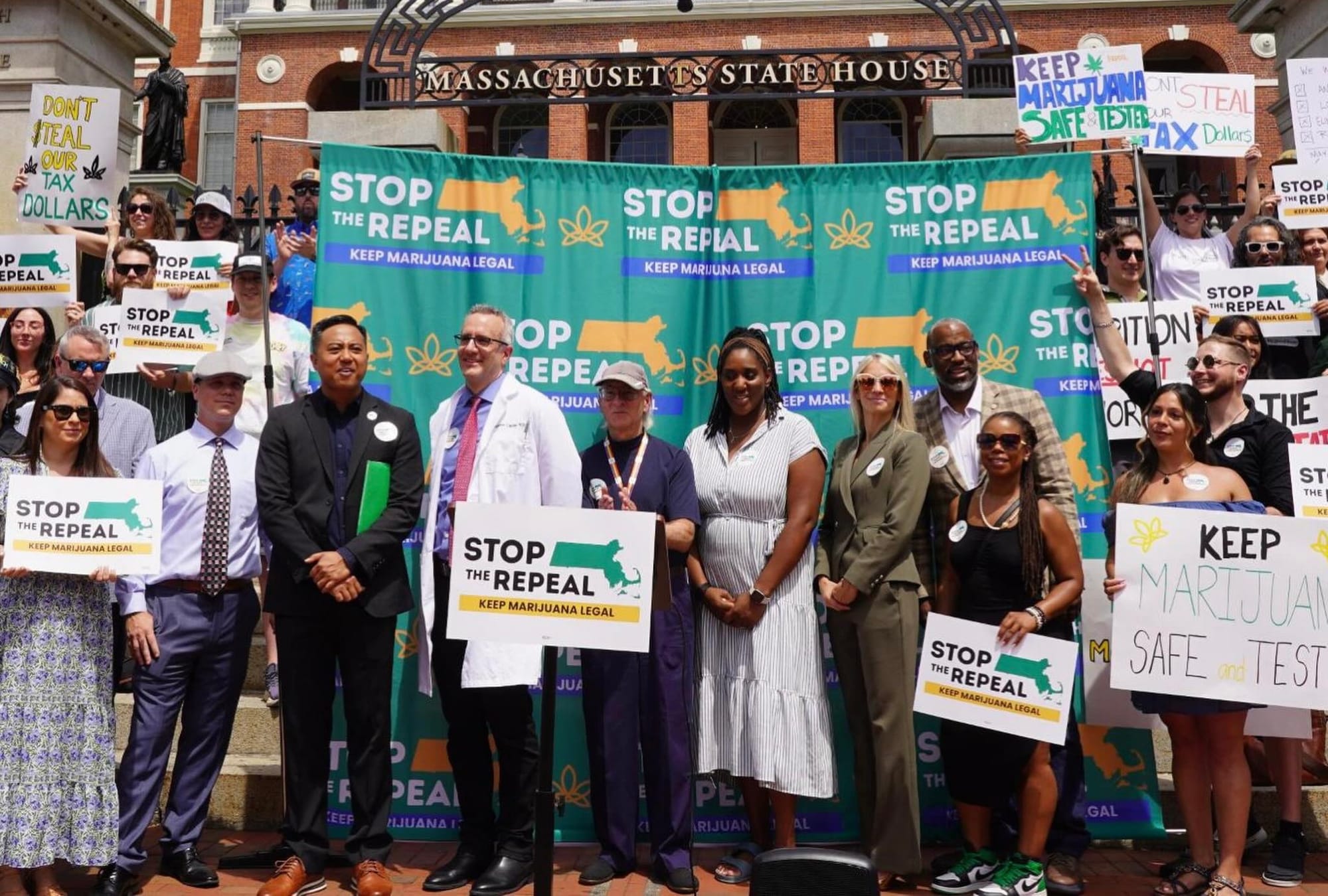
Stop the Repeal launched it's counter-measure at the Massachusetts State House in June. pictured attendees include Campaign Chair Ryan Dominguez, Fitchburg Mayor Sam Squailia, Dr. Benjamin Caplan, public health expert Alan Balsam, and Nike John of The Heritage Club. The coalition includes local dispensary owners, health care professionals, law enforcement. supporters came together to defend what they say, "Massachusetts voters chose in 2016; a regulated, legal cannabis industry that works." Since legalization, adult-use cannabis has generated nearly $2 billion in state and local revenue, according to Stop the Repeal stats.

Who Is Opposing the Repeal

The opposition campaign, Stop the Repeal, is chaired by Ryan Dominguez, executive director of the Massachusetts Cannabis Coalition, an industry trade group. Its argument centers on jobs and tax revenue: the state's legal cannabis industry supports roughly 18,000 jobs, according to a Leafly industry jobs report, and generated about $290 million in state tax revenue in fiscal year 2025, funding that currently supports the Cannabis Control Commission's social equity programs, the Bureau of Substance Addiction Services, and municipal public safety budgets.

The Boston Globe reported that roughly 100 of the state's cannabis businesses, about 15 percent of the industry, are owned by participants in the state's social equity program, created for people with past marijuana convictions and residents of neighborhoods most affected by drug enforcement. None currently hold medical licenses, and industry advocates say the cost gap between recreational and medical licensing would make it difficult for many of those businesses to convert, even with the two-year transition window.

In Lee, a Berkshire County town of roughly 6,000 people, Canna Provisions generated more than $240,000 in local sales tax revenue over one year, according to CEO Meg Sanders—a sum Select Board Chair Sean Regnier says represents a meaningful share of the town's roughly $25 million annual budget. Both oppose the repeal.

Sanders has made her own case publicly, in a February column for the Berkshire Eagle. She put the number of Berkshire County jobs the industry supports at 1,200 to 1,500, or roughly two percent of the county's labor force, spanning cultivation, manufacturing, retail, security, compliance, and construction. "That's real concentration for a rural region that already knows how fragile job markets can be," she wrote. Lee's town administrator, Chris Brittan, told Sanders's staff that the town has been "really happy" with Canna Provisions as a local partner.

State Sen. Paul Mark, who represents a large swath of Western Massachusetts, says he opposes the measure, citing the jobs and business investment at stake and the likelihood that Massachusetts consumers would simply buy cannabis in neighboring states instead. State Rep. Tricia Farley-Bouvier of Pittsfield has raised similar concerns, while also arguing that the Cannabis Control Commission itself needs reform regardless of the outcome. An independent tracker built by a cannabis policy advocate has been surveying all 198 sitting state legislators on where they stand on Question 8; as of early August, of those who had responded, 79 opposed repeal, 5 were undecided, and none supported it.

Where Statewide Officials Stand

Neither of the state's top two elected officials has taken a public position on Question 8. Attorney General Andrea Campbell, whose office certified the ballot language earlier this year, declined to comment on the measure's merits, saying only that it met the statutory requirements for going before voters. Gov. Maura Healey has not weighed in either—a notable silence given her own history with the issue: as attorney general in 2016, Healey publicly opposed the original legalization ballot question, warning that cannabis companies would "put profits before people." She has since said she doesn't regret that position, even as her administration has continued to build out the regulated market it created, including a 2024 mass pardon of past marijuana possession convictions.

Where Public Opinion Stands

A University of New Hampshire Survey Center poll conducted in mid-February found 63 percent of likely Massachusetts voters opposed to repeal and 20 percent in favor, with the remainder undecided. 

Question 8 is one of nine questions on Massachusetts ballots this November, tying the state's largest slate since 1994. Voters decide on Tuesday, November 3.

Share this post

Written by

Jamie Larson
After a decade of writing for RI (along with many other publications and organizations) Jamie took over as editor in 2025. He has a masters in journalism from NYU, a wonderful wife, two kids and a Carolina dog named Zelda.