Long before glossy dispensary menus, farmers turned the sticky resin of the cannabis plant into hash by hand. The craft is centuries old, and it is back in the conversation now that local farms grow legal crops. For adults in the Berkshires and the Hudson Valley, the questions are practical. How is hash made, and what does the law here allow?
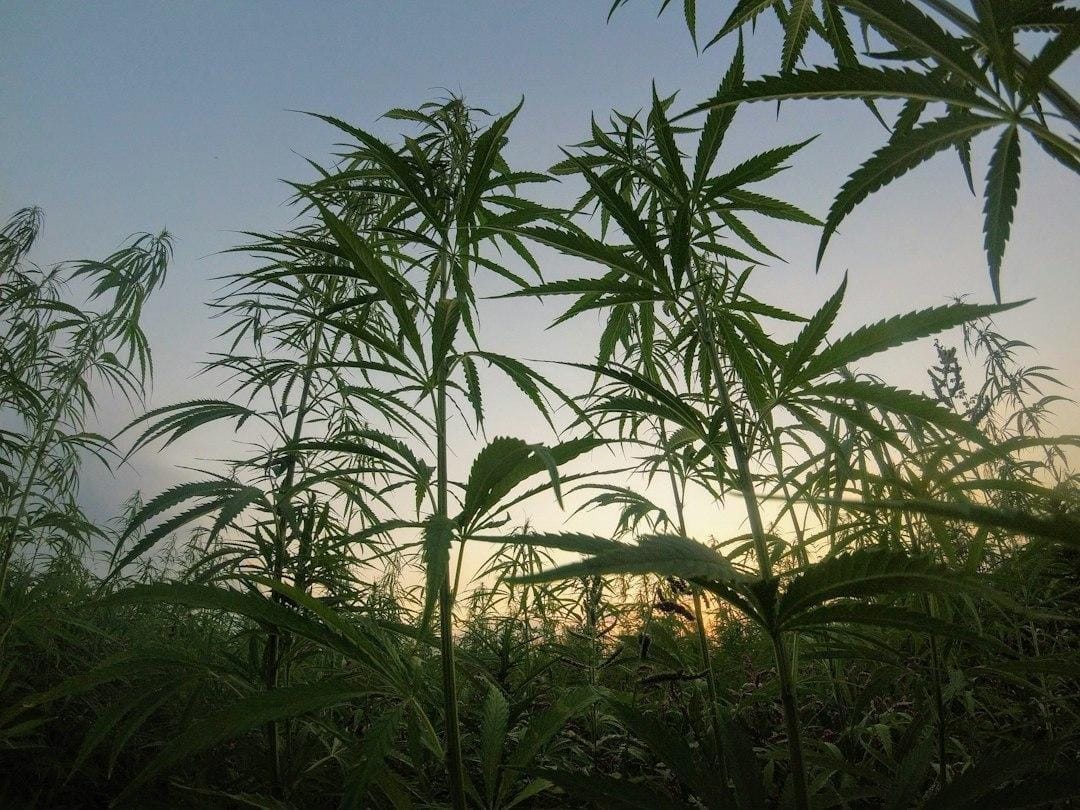
Photo by Matteo Paganelli on Unsplash
Alt text: Tall cannabis plants growing outdoors, silhouetted against a pale evening sky
Search for hash online and many results come from Canadian shops. Adults of legal age in Canada can buy cheap hash online from retailers such as The Herb Centre, which says it operates online only within Canada. Canadian buyers must be 19 in most provinces, while Alberta sets its age at 18 and Quebec at 21. Readers in New York, Massachusetts and Connecticut cannot order from it. Treat what follows as background reading, not medical or legal guidance.
How Does Hash Compare With the Buds It Comes From?
Hash starts with trichomes, the frosty glands of resin found on buds and the small leaves around them. Those glands hold most of the plant's THC and aroma. Separate them from the plant material, press them together, and you have hash.
Because it is concentrated, hash is usually stronger than the flower it came from. Potency varies a great deal from batch to batch. Hash falls under Connecticut's legal definition of a cannabis concentrate. Its rules require a high-potency warning on any concentrate above 30 percent THC, noting it may raise the risk of psychosis.
How Did Farmers Traditionally Make Hash?
Methods differ by region, but most fall into a few families. Each one aims to collect resin while leaving plant matter behind.
- Hand rubbing. Growers rub living buds between their palms and roll off the dark resin. This style is often called charas.
- Dry sifting. Dried, chilled plants are shaken over fine screens so the resin glands fall through.
- Ice water separation. Plants are stirred in ice water, which makes the glands brittle. Bags with fine mesh then catch them.
- Pressing. The loose resin is warmed and pressed into blocks or slabs that keep longer.
None of these steps uses chemical solvents, which is part of the appeal for farm-minded buyers. Still, a licensed product carries test results that a homemade batch does not.
Each method leaves its own mark on the finished block. Hand-rubbed hash tends to be dark and soft. Sifted and ice water styles are often lighter in color and more crumbly. Color alone says little about quality, so the label and lab results matter more.
What Do New York, Massachusetts and Connecticut Rules Say?
All three states allow adult use, but the details differ. The table sums up the points most readers ask about.
New York also caps home growing at 12 plants per household. Massachusetts has a longer history than most. It banned marijuana in 1911, then voters approved adult use in 2016, with retail sales starting in November 2018. This November, Question 8 asks voters whether to repeal those sales. If it passed, the repeal would take effect on January 1, 2028.
A few rules hold in all three states:
- You must be 21 to buy or possess cannabis.
- Only state-licensed businesses may sell it.
- Driving under the influence of cannabis is illegal.
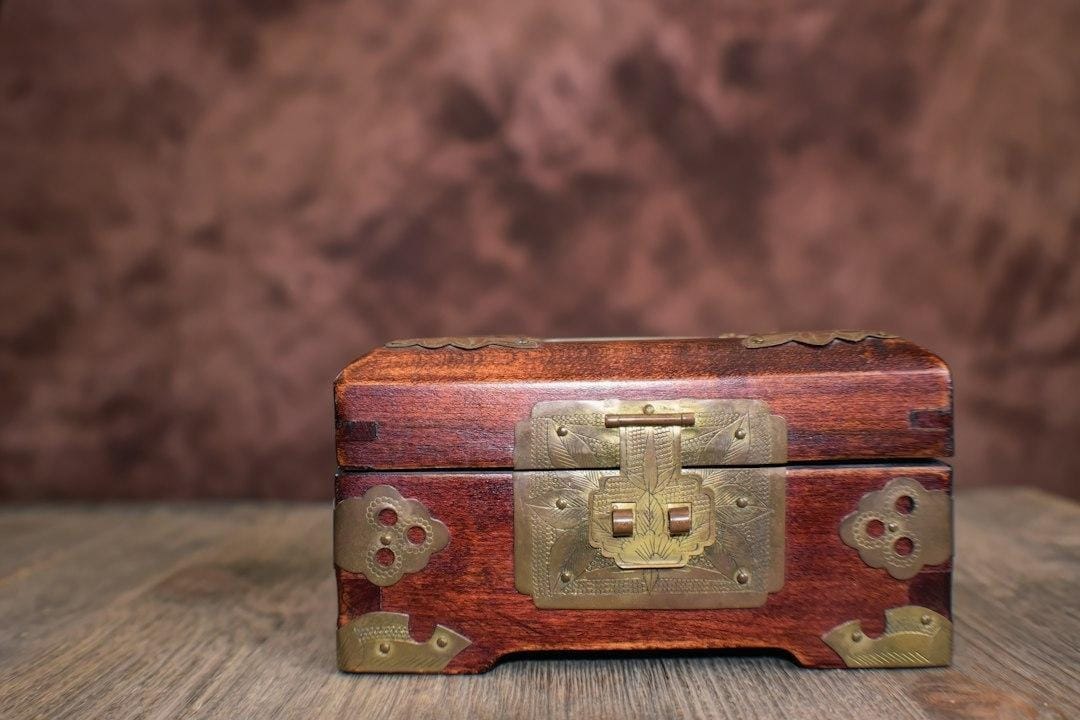
Photo by Ray Shrewsberry on Unsplash
Alt text: A small wooden box with a brass latch resting on a wooden table
Why Can't Northeast Readers Order From Canada?
Federal and state laws both stand in the way. New York's Office of Cannabis Management says it is illegal to cross state lines with cannabis. It adds that leaving or coming into the state or country with any cannabis product is against the law.
Connecticut is just as clear. Under state cannabis law, only a licensed delivery service may deliver cannabis to consumers. A parcel from a Canadian website fits none of those rules.
Canadian sellers know this, which is why they ship only to Canadian addresses. A low price on a foreign site does not change the law in Hillsdale or Sharon. The legal route for a Northeast adult runs through a licensed shop in their own state.
How Should Adults Store Hash Safely at Home?
Hash looks like a dark lump of clay or chocolate, so it can tempt curious children and pets. Many adults also cook with it, which turns it into an edible. That raises the stakes for safe storage.
America's Poison Centers tracks these cases closely. Its edible exposure data shows poison centers managed 39,497 cannabis edible cases in people aged 0 to 19 from 2019 to 2025. As of April 30, 2025, the count for that year alone was 2,578.
A few habits help in any household:
- Keep hash and anything made with it in a locked box, up high.
- Label homemade edibles clearly and store them away from regular food.
- Never share with anyone under 21.
- Do not drive after using it. New York bans smoking cannabis in a vehicle, moving or parked.
Effects vary by person, and research on long-term health effects is still limited. Anyone with a health condition should talk to a doctor first. If a child swallows cannabis, call Poison Help at 1-800-222-1222.
Where Does the Old Craft Meet the Local Counter?
The region already has growers who treat cannabis like any other crop. One example is Lofty Supply, a farm stand-style dispensary in Red Hook whose first legal crop was grown in Copake. Shops like that give adults a lawful way to ask about resin products and see how they were made.
Before you buy in New York, check that the store appears on the state's list of licensed dispensaries. In Massachusetts and Connecticut, confirm that the shop holds a state license. Asking about lab results is fair at any counter.
Staff at a licensed shop can explain how a resin product was made. Ask whether it was sifted, washed in ice water or pressed by hand. Ask, too, how fresh it is and how to keep it at home. A good budtender will answer plainly and will not push you to buy more than you planned.
Frequently Asked Questions
Is Hash Legal for New Yorkers?
Yes, for adults 21 and older who buy from a licensed business. New York lets adults possess up to 24 grams of cannabis concentrate. Unlicensed sellers break state law.
Can I Bring Hash Home From Canada?
No. Carrying cannabis across the border in either direction is against the law, even where both places allow adult use. Buy only in the state where you live or visit.
Does Hash Hit Harder Than Buds?
Usually, because it concentrates the resin glands. Strength varies widely, so read the label and start with a small amount.
Who Do I Call When a Child Swallows Hash?
Call Poison Help at 1-800-222-1222 right away. Children can react more severely than adults, and severe cases may need emergency care.