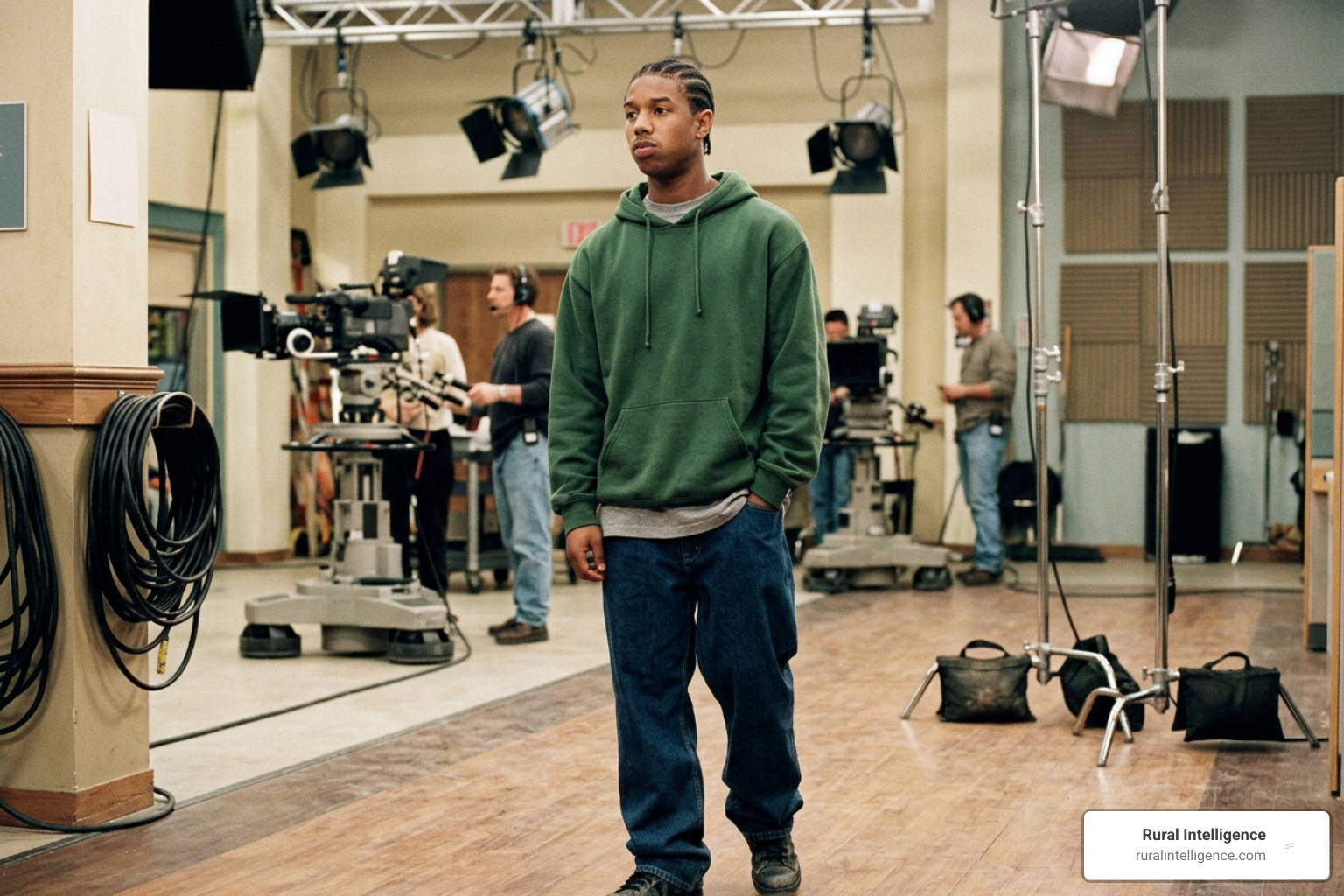
Early Life and the Television Roots of Michael B. Jordan
Michael B. Jordan is an acclaimed American actor, director, and producer renowned for breakout roles such as Wallace in The Wire, Adonis Creed in the Creed series, Erik Killmonger in Black Panther, and Oscar Grant in Fruitvale Station. Rising from early television drama to global blockbuster stardom, feature directing, and an Academy Award win for Sinners, Jordan has established himself as one of contemporary Hollywood's most versatile leading talents.
Before he filled movie screens worldwide, Michael Bakari Jordan developed his craft through childhood modeling, commercial appearances, and foundational television dramas. Born in Santa Ana, California, to Donna and Michael A. Jordan, he moved with his family to Newark, New Jersey, during his early childhood. Growing up in Newark, Jordan attended Newark Arts High School, where he balanced academics, athletics and his burgeoning interest in the performing arts.
His initial entry into entertainment occurred almost by accident. At age 11, a casual suggestion from a receptionist at his mother's doctor's office led to print modeling gigs for regional toy stores and sporting goods circulars. This commercial exposure soon translated into television auditions, setting off an active career in the entertainment industry that has continued since 1999. Detailed catalogs of his entire multi-decade filmography, from guest appearances to executive producer credits, are documented on Michael B. Jordan on TMDB.
The Television Trajectory of Michael B. Jordan
Jordan's early screen credits read like a masterclass in modern American television drama. In 1999, he made brief single-episode appearances in Cosby and The Sopranos, but his genuine dramatic introduction arrived in 2002 when he was cast as the vulnerable, heart-wrenching teenage drug dealer Wallace in the first season of HBO's critically revered drama The Wire. Though his arc lasted only one season, the emotional resonance of Wallace's tragic fate became an enduring industry calling card that established his rare ability to project authentic vulnerability on screen.
Following The Wire, Jordan transitioned to daytime television, replacing Chadwick Boseman in the contract role of Reggie Montgomery on ABC's long-running soap opera All My Children from 2003 to 2006. This demanding daily shooting schedule honed his work ethic and technical consistency, earning him three consecutive NAACP Image Award nominations for Outstanding Actor in a Daytime Drama Series.
His critical standing skyrocketed further in 2009 when he joined the critically acclaimed high school football drama Friday Night Lights for its fourth and fifth seasons. Portraying Vince Howard, a troubled youth turned star quarterback, Jordan relocated to Austin, Texas, to immerse himself in high school athletics and small-town community dynamics. He followed this success with a recurring role as Alex in NBC's ensemble family drama Parenthood, cementing his reputation as one of the most reliable and emotionally compelling young actors on television.
Formative Background and Industry Mentorship
Jordan's middle name, Bakari, is a Swahili name translating to "noble promise"—a moniker that proved prophetic as his career advanced. Beyond his natural talent, his rapid rise was anchored by deliberate career stewardship and guidance from veteran stars. Early in his Hollywood transition, Jordan sought direct mentorship from established box office titans like Denzel Washington, Will Smith, and Tom Cruise, studying how they navigated high-profile creative decisions, physical transformations, and the balance between blockbuster franchises and character-driven indie cinema.
This rigorous mindset shaped Jordan's approach to every role. Whether living in an apartment in Texas to capture the rhythms of high school athletics or engaging in year-long physical regimens without stunt doubles, his dedication to authenticity became a signature trait. Furthermore, he recognized early on that true creative longevity required taking charge of the business side of filmmaking, leading directly to his push into directing, producing, and industry-wide equity advocacy.
Cinematic Breakthroughs and Ryan Coogler Collaborations
The turning point in Jordan's cinematic journey arrived through his creative partnership with writer and director Ryan Coogler. Their collaborative relationship, which began on a low-budget independent drama, evolved into one of the most commercially triumphant and critically celebrated actor-director alliances in contemporary cinema history.
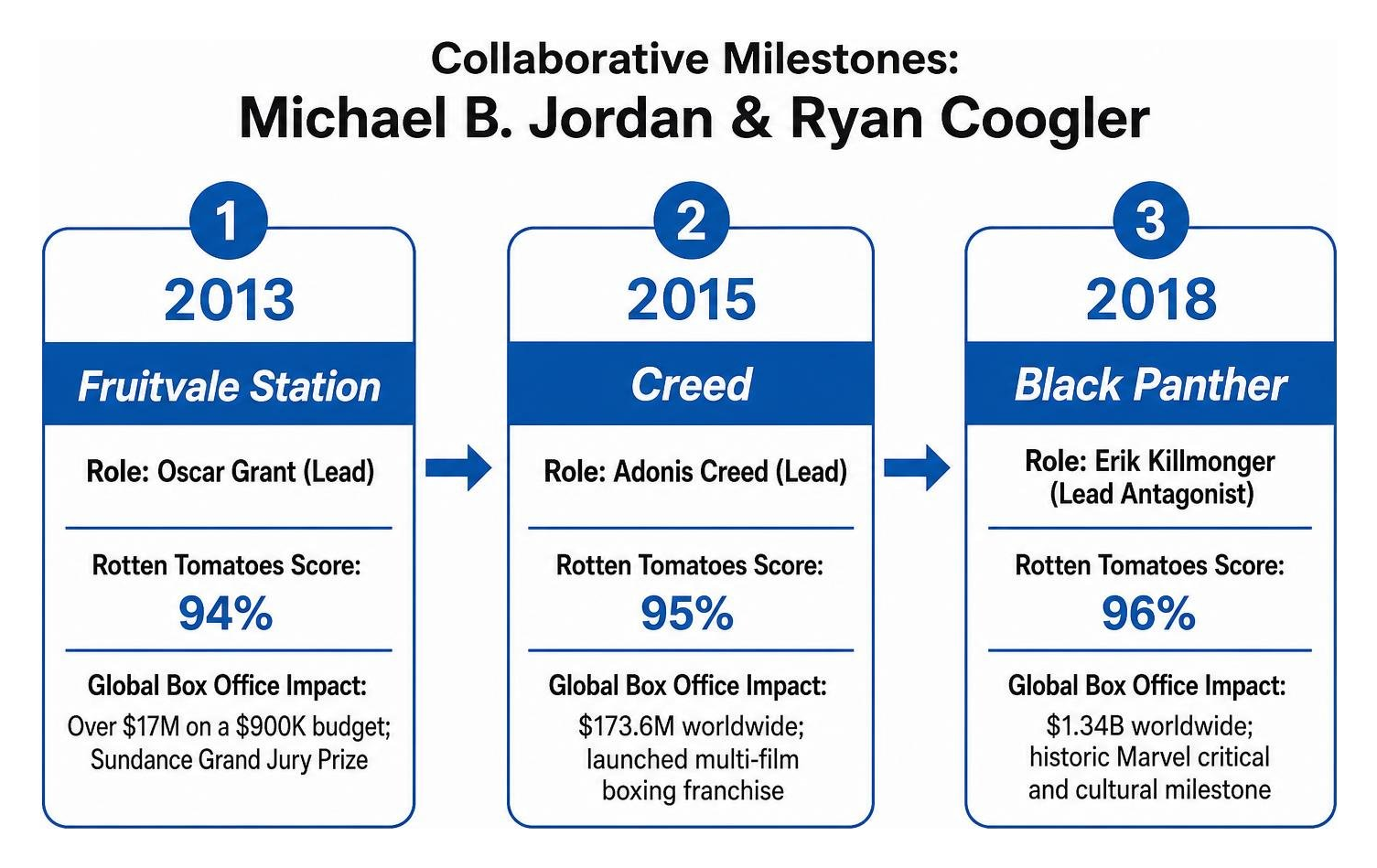
| Film Title | Release Year | Role / Credit | Rotten Tomatoes Score | Global Box Office Impact |
|---|---|---|---|---|
| Fruitvale Station | 2013 | Oscar Grant (Lead) | 94% | Over $17M on a $900K budget; Sundance Grand Jury Prize |
| Creed | 2015 | Adonis Creed (Lead) | 95% | $173.6M worldwide; launched multi-film boxing franchise |
| Black Panther | 2018 | Erik Killmonger (Lead Antagonist) | 96% | $1.34B worldwide; historic Marvel critical and cultural milestone |
| Creed III | 2023 | Adonis Creed (Lead, Producer, Director) | 89% | $275.3M worldwide; franchise-record opening weekend |
| Sinners | 2025 | Dual Lead Role | 95% | Major critical triumph; Academy Award for Best Actor |
Fruitvale Station and Critical Recognition
Jordan's cinematic breakthrough came in 2013 with Ryan Coogler's directorial debut, Fruitvale Station. Depicting the final 24 hours in the life of Oscar Grant, a 22-year-old Black man who was fatally shot by transit police at an Oakland train station on New Year's Day 2009, the film premiered at the Sundance Film Festival to overwhelming critical acclaim, winning both the Grand Jury Prize and the Audience Award for U.S. Dramatic Film.
Critics widely celebrated Jordan's sensitive, layered performance, with veteran reviewers noting that his natural charisma and quiet intensity evoked the early screen presence of a young Denzel Washington. By avoiding simplistic melodrama and instead presenting Grant as a complex, fully rounded human being, Jordan proved he could effortlessly carry the emotional weight of a feature film, opening the doors to major studio projects.
Franchise Stardom in Black Panther
In 2018, Jordan reunited with Coogler for Marvel Studios' cultural juggernaut Black Panther. Portraying the complex, vengeful antagonist Erik "Killmonger" Stevens, Jordan delivered a performance that transcended conventional superhero villainy. His portrayal of Killmonger was driven by justifiable historical grievances, profound familial pain, and magnetic swagger, leading multiple publications to single him out as the emotional centerpiece of the film.
The psychological investment required for the part was immense. Jordan isolated himself from family and friends during production to inhabit Killmonger's deep-seated isolation and grief, a process he later acknowledged took a significant emotional toll that required professional therapy after filming wrapped. Black Panther crossed the $1 billion global box office milestone in just three weeks, solidifying Jordan as a premier box-office draw and an elite character actor capable of carrying massive commercial spectacles.
Historic Oscar Win for Sinners
The pinnacle of Jordan and Coogler's creative partnership came with the 2025 release of the period genre thriller Sinners, their fifth collaborative project. Taking on a demanding dual lead role, Jordan developed distinct physical nuances, vocal cadences, and distinct postures to distinguish twin brothers confronting atmospheric terror in the historic American South.
Jordan's tour-de-force performance captured widespread critical adoration, earning him the 2026 Golden Globe nomination and ultimately the Academy Award for Best Actor in a Leading Role. The victory represented a landmark moment in cinematic history, establishing Jordan as only the seventh Black performer ever to win the lead actor Oscar. The triumph validated his career-long dedication to challenging, socially conscious, and boundary-pushing dramatic cinema.
Franchise Stardom, Directorial Work, and Outlier Society
Beyond his individual acting milestones, Michael B. Jordan transformed himself into a multi-hyphenate creator, stepping into franchise stewardship, feature film directing, and executive production.
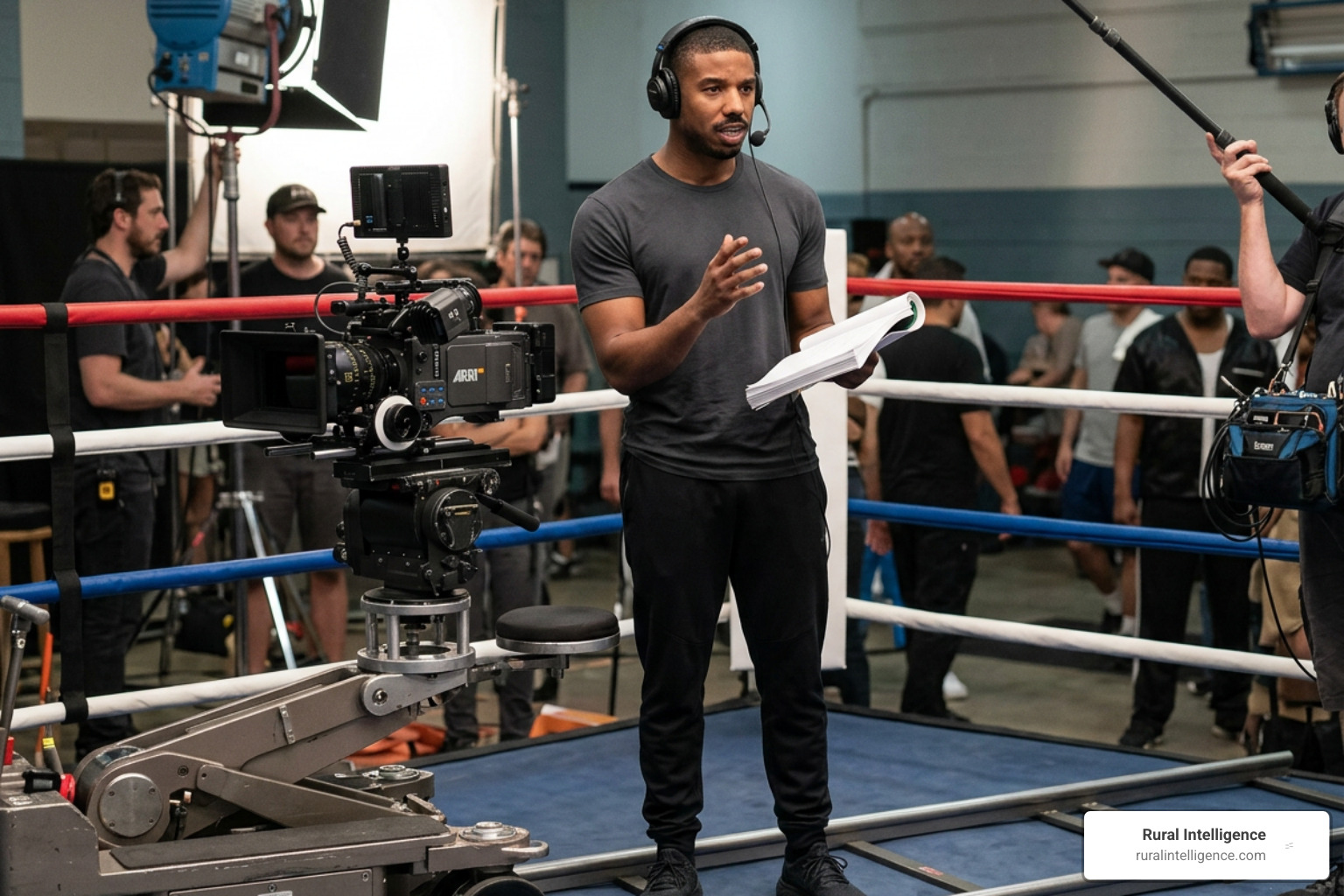
Directorial Debut with Creed III
Jordan first inherited the legendary Rocky legacy in 2015's Creed, undergoing a full year of rigorous boxing conditioning without stunt doubles to embody Adonis Creed, the son of Apollo Creed. The film was a critical and commercial smash, spawning a thriving franchise. After starring in 2018's Creed II—which set a record for the biggest Thanksgiving holiday opening for a live-action film with a $55.8 million five-day debut—Jordan stepped into the director's chair for 2023's Creed III.
Making his feature directorial debut while simultaneously starring in and producing the film, Jordan brought bold creative innovations to the boxing genre. Drawing heavy visual and thematic inspiration from Japanese anime series such as Naruto: Shippuden and Dragon Ball, he pioneered the use of custom Sony CineAlta Venice IMAX cameras inside the ring to capture intense, stylized combat choreography. Creed III debuted to $58 million domestically and went on to gross over $275 million worldwide, earning glowing reviews for its visual inventiveness and confirming Jordan as a capable, visionary filmmaker.
Outlier Society and Production Leadership
Recognizing the necessity of structural control in entertainment, Jordan founded his production company, Outlier Society (later integrated with 2677 Ventures), securing high-profile first-look production deals with major studios, including Amazon MGM Studios. Outlier Society has produced high-profile feature films and series such as Just Mercy (2019), the HBO adaptation of Fahrenheit 451 (2018), and the animated series Gen:Lock.
Jordan was among the first major studio figures to implement an inclusion rider across his production banner's entire slate. Following Frances McDormand's 2018 Oscar speech, Jordan made it standard policy to contractually require diverse hiring practices among the cast and crew on all Outlier Society productions. Additionally, his philanthropic ventures include the Outlier Society Fellowship, which provides structured career pipelines for underrepresented youth in media, and the founding of the HBCU Legacy Classic basketball showcase.
Sports Investments and Upcoming Film Projects
Jordan's entrepreneurial interests have expanded into global athletics, reflecting his personal passions for competitive sports and international enterprise. He serves as a minority co-owner of the English Premier League football club AFC Bournemouth, participating actively in executive and brand initiatives, and holds an investment stake in the Alpine F1 racing team.
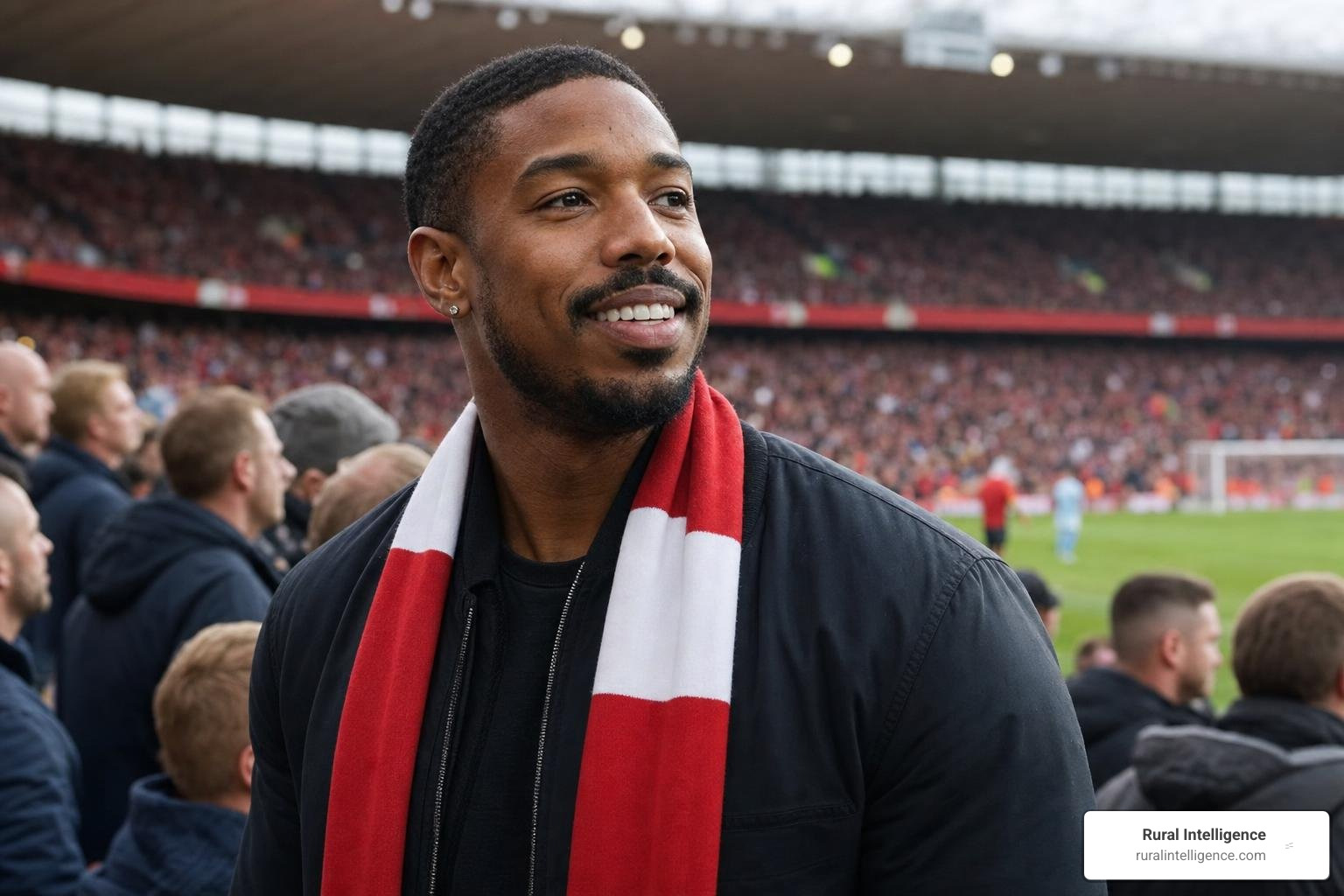
Looking ahead, Jordan's slate includes ambitious leading and directorial projects. He is set to star in and direct a modern reimagining of the classic heist thriller The Thomas Crown Affair, develop and star in the action vehicle Battlefield, produce the screen adaptation of the bestselling fantasy series Fourth Wing, and return to expand the boxing universe with Creed IV.
Frequently Asked Questions About Career Milestones
What Was Michael B. Jordan's Breakthrough Role?
While Michael B. Jordan earned widespread critical praise for his television performances as Wallace in The Wire (2002) and Vince Howard in Friday Night Lights (2009–2011), his major cinematic breakthrough was portraying Oscar Grant in the 2013 biographical drama Fruitvale Station. Directed by Ryan Coogler, the film won top honors at the Sundance Film Festival and proved Jordan's ability to anchor major feature films.
Which Performance Earned Him an Academy Award?
Michael B. Jordan won the Academy Award for Best Actor in a Leading Role for his dual performance in the 2025 period thriller Sinners, directed by longtime collaborator Ryan Coogler. The performance also garnered a Golden Globe nomination and established him as the seventh Black performer in Oscar history to win the lead actor category.
What Professional Sports Teams Does He Co-Own?
Michael B. Jordan is a minority co-owner of the English Premier League football club AFC Bournemouth, taking part in club events and creative design collaborations. Additionally, he is an investor in the Alpine F1 racing team alongside an international consortium of sports figures and entrepreneurs.
Conclusion
From his early days navigating television auditions as a teenager in Newark to standing at the pinnacle of international cinema as an Oscar-winning actor and accomplished director, Michael B. Jordan exemplifies the modern Hollywood artist. By pairing uncompromising artistic discipline with production leadership and global business ventures, he continues to redefine creative autonomy on his own terms.
Here at Rural Intelligence, we celebrate storytelling that enriches our cultural landscape—whether examining community preservation across our local countryside or exploring the creative dedication of world-class performers. To discover more profiles and features covering the wider world of cinema, performance, and visual art and cultural storytelling, explore our ongoing coverage of the artists and innovators who shape contemporary culture.