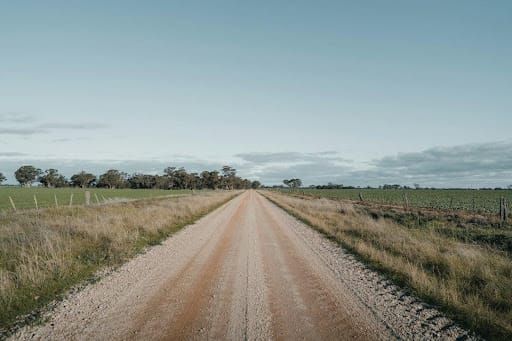
Anyone who has followed a farm-stand sign down a Columbia County dirt road knows the car matters. It decides whether the eggs survive, whether the Riesling rides upright and whether a washed-out lane feels like an adventure or a mistake. Australia's farm country asks the same questions on a much larger scale.
Picking the vehicle is the step most visitors rush. A national firm such as East Coast Car Rentals offers everything from economy hatchbacks to utes, family SUVs and eight-seat minivans across 14 locations. The range is wide, so the choice is yours to get right. What follows matches each type of car to the trip you have in mind, from cellar doors to orchards and long gravel back roads.
Why Does Farm Country Change the Car You Need?
Distance is the first reason. Australian wine and farming regions sit far apart, and fuel stops thin out once you leave the highway. Range and seat comfort matter more than they do on a weekend loop through Dutchess County.
Road surface is the second. Plenty of orchards, dairies and smaller wineries sit at the end of unsealed roads. Loose gravel cuts tire grip, and dust from a passing truck can hide the road ahead for several seconds.
Safety follows from both. Fewer than one in three Australians live in regional and remote areas, yet nearly two in three fatal crashes happen on rural and remote roads. The car you choose should make long country days calmer, not harder.
Cargo is the third reason. A rural trip almost always comes home heavier than it left, with wine, olive oil, cheese and fruit stacked in the back.
Hatchback, Sedan, SUV or Ute for the Back Roads?
- Economy or compact hatchback. Fine for a couple visiting cellar doors on sealed roads near a city. It is easy to park and light on fuel, but tight for cases of wine.
- Intermediate or full-size sedan. A smoother highway ride for long transfers between regions, with a closed trunk that keeps purchases out of sight.
- Intermediate SUV. Extra ground clearance for gravel driveways and potholed farm lanes, plus a higher seat for spotting wildlife.
- Family SUV. Room for four adults, luggage and a cooler, which suits a week of farm stays.
- Ute. A ute is a pickup-style vehicle with an open tray. It is useful for bulky farm-sale finds, but less comfortable on long touring days.
- Eight-seat minivan or 12-seat minibus. The answer for a group tasting trip where one person drives and everyone else sips.
Whichever class you choose, check how the rental terms treat unsealed roads before you book. Many agreements limit gravel driving, and the counter is the wrong place to find out.
How Much Space Does a Farm-Gate Haul Need?
Usually a lot more than the brochure photos suggest. A 12-bottle case of wine weighs roughly 35 pounds. Three cases plus two suitcases will fill the trunk of a compact car before lunch on day two.
Fresh food adds its own demands. Inland summer days run hot, so keep a cooler on the floor behind the front seats, out of the sun. Buy ice in the last town before the farm, not the first.
Anyone who has loaded up at a Germantown farm store already knows the packing order. Soft bags go on the bottom, bottles stand upright in a box, and eggs ride on top.
How Do the Main Options Compare?
Electric cars are worth a look for wine regions close to a city, where chargers are easier to find. For long loops through farming districts, a fuel car still offers more flexibility.
Which Checks Belong In the Pickup Bay?
- The spare tire and jack, and how to reach them under a loaded trunk
- The fuel type and the real range on a full tank
- Headlights and high beams, because many rural roads are unlit
- A cargo cover so valuables stay out of sight at lookouts
- The terms on unsealed roads, tolls and extra drivers
- The age rules, since drivers must be at least 21, with a surcharge from 21 to 24
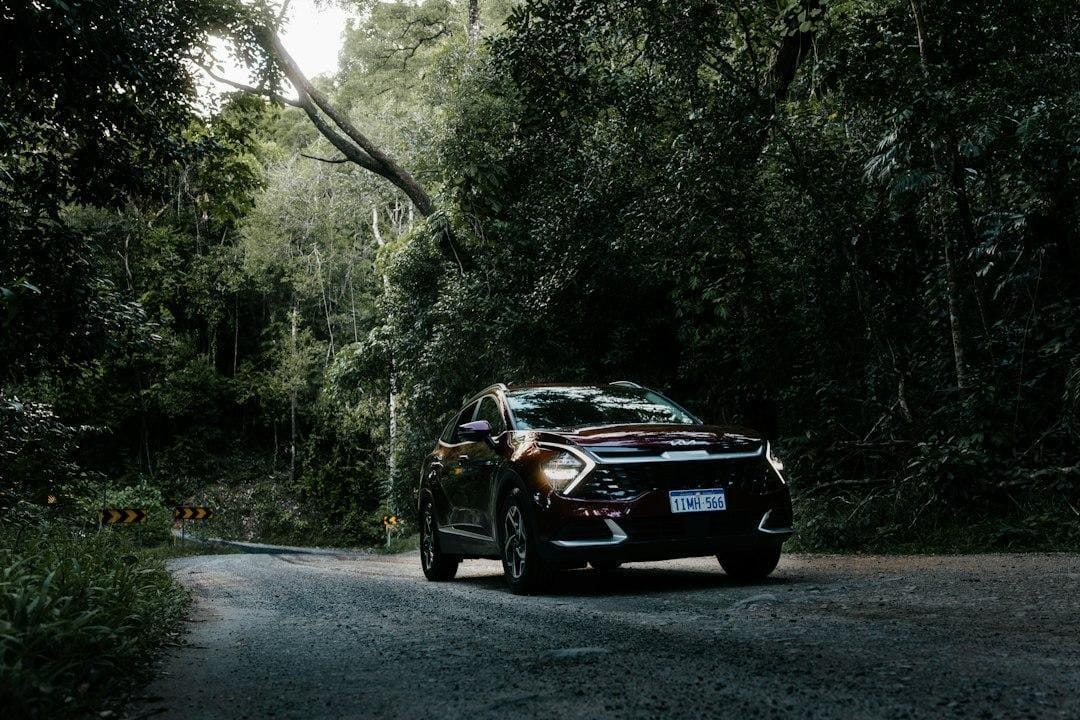
Why Does Dusk Driving Need Its Own Plan?
Wildlife changes the picture at dawn and dusk. Kangaroos, wallabies and wombats move most at those hours, and they blend into dry grass. Insurer figures shared by the rescue group WIRES counted more than 19,000 animal collisions across Australia in 2022.
A higher SUV seat helps you see further, but speed matters more than height. Aim to reach the farm stay before sunset. Low western sun from about 4pm can also dazzle drivers heading toward it.
If an animal steps out, brake firmly in a straight line. Swerving on gravel is how a minor scare becomes a rollover.
Matching the Car to the Country
- Choose a sedan for long sealed transfers and an SUV for gravel lanes.
- Count cases and coolers before you pick a class.
- Book a minivan when a group plans to taste.
- Plan every arrival for before dusk.
- Read the unsealed-road terms first.
Before You Turn Onto the Gravel
Australia's back roads reward the same curiosity that sends locals to a new Hudson tasting room on a Saturday afternoon. The difference is scale. Pick a car that matches the roads, the cargo and the hours you plan to drive, and the farm gates will do the rest.
Frequently Asked Questions
Do You Need a 4WD for Australian Wine Regions?
Usually not. Most cellar doors in established regions sit on sealed roads or short gravel driveways. An SUV adds comfort on rougher farm lanes, but a sedan handles most wine touring.
Can You Take a Rental Car On Gravel Roads?
It depends on the rental agreement. Many limit or exclude unsealed roads, so check the terms before you book.
What Is the Minimum Age to Rent a Car?
At East Coast Car Rentals, the minimum age is 21. Drivers aged 21 to 24 pay an underage surcharge.
Is a Ute a Good Choice for a Road Trip?
A ute suits hauling more than touring. Most road trippers are happier in an SUV or sedan, unless they plan to carry something bulky home.