Elizabeth Margulis on the Science of Musical Daydreams at Mass MoCA
A Princeton cognition researcher discusses her new book on why music sends the mind wandering—and why those wanderings matter.

A Princeton cognition researcher discusses her new book on why music sends the mind wandering—and why those wanderings matter.

Sunday, July 26, noon | North Adams, MA | $5 advance, free for members
Music cognition researcher Elizabeth Margulis visits the R&D Store at Mass MoCA on July 26 for a talk on her new book Transported: The Everyday Magic of Musical Daydreams, which examines the vivid, spontaneous images, stories, and memories people lapse into while listening to music.
Margulis's central claim is that these musical daydreams aren't incidental to listening—they're one of the primary things music actually does to the mind, and a meaningful window into how people think, feel, and connect with each other. Drawing on neuroscience, psychology, ethnography, and her own research and teaching, she argues that daydreams which feel deeply personal turn out to be widely shared across listeners, which raises interesting questions about what music is actually doing when it seems to be doing nothing more than playing in the background.
Bela Fleck has called the book a fascinating exploration of the connection between music and daydreaming and a genuinely enjoyable path toward understanding what gives music its power. Margulis makes a case for music as one of the few remaining spaces where the mind is still allowed to wander freely, and for why that wandering deserves to be taken seriously rather than dismissed as distraction.
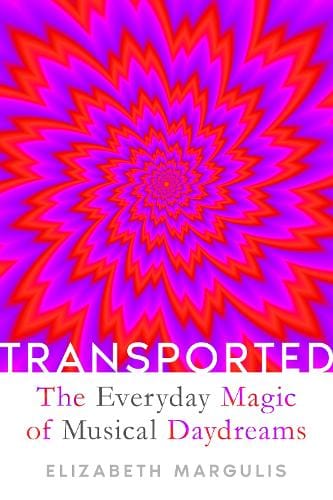
Margulis is professor of music and director of the Music Cognition Lab at Princeton University. Her previous book, On Repeat: How Music Plays the Mind, won the Wallace Berry Award from the Society for Music Theory.
R&D Store, Mass MoCA, 1040 Mass MoCA Way, North Adams, MA. Tickets at tickets.massmoca.org.