Inside the Restaurant at the new Mirbeau Inn & Spa in Beacon
Chef Adam Slamon brings French-inspired cooking, Hudson Valley ingredients, and a lighter touch to the sprawling new resort restaurant at Mirbeau Inn & Spa Beacon.

Chef Adam Slamon brings French-inspired cooking, Hudson Valley ingredients, and a lighter touch to the sprawling new resort restaurant at Mirbeau Inn & Spa Beacon.
The first dish to arrive at the table at Mirbeau Bistro & Wine Bar looks almost austere.
Chunks of sweet crab sit in a crystal-clear tomato consommé dotted with swollen basil seeds that resemble tiny pearls suspended in water. There’s no dramatic tableside flourish, no tweezed tower of microgreens, no architectural stunt work. The flavors are clean, cool, and restrained—less interested in overwhelming the diner than recalibrating them.
That restraint turns out to be the defining characteristic of the food program at the newly opened Mirbeau Inn & Spa Beacon.

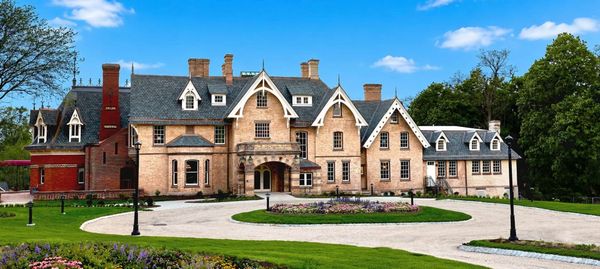
Opened May 8 on the historic Tioronda Estate, the sprawling wellness resort arrives in Beacon with a great deal of architectural and cultural expectation attached to it. The restored Howland Mansion, waterfalls, wooded trails, Monet-inspired gardens, and massive spa complex position Mirbeau in the constellation of ambitious hospitality projects the Hudson Valley has seen in years.
But if the spa and grounds establish the atmosphere, the restaurant is what turns the property into a functioning organism. Guests need breakfast before massages, cocktails after treatments, dinner after hiking Mount Beacon, room service at night, brunch on Sundays. The food operation here is less standalone restaurant than ecosystem.

That ecosystem is overseen by Beacon chef Adam Slamon, whose resume stretches from New York City kitchens to some of the Hudson Valley’s better-known dining rooms. Before arriving at Mirbeau, Slamon helped open Beacon’s Lyonshare and previously worked at Sloop Brewing’s tasting room after relocating to the Hudson Valley from the city in 2018. Earlier in his career, he served as chef de cuisine at the acclaimed Thai restaurant Uncle Boons and cooked at the Belgian-inspired nose-to-tail restaurant Resto.
Slamon describes the culinary direction as “French, but a little bit lighter for the spa.” The phrase could easily trigger fears of joyless wellness cuisine, but the preview meal I ate in late April suggested something more thoughtful: food calibrated toward balance and seasonality rather than deprivation.

The chilled crab starter ($25), served with tomato consomme and basil seeds, tastes intensely of tomato without the weight or acidity of a conventional soup. The soaked basil seeds contribute texture more than overt herbal punch—a subtle flourish that avoids tipping into gimmickry.
“We wanted something light and fresh,” Slamon said of the dish, acknowledging that early spring tomatoes were still catching up to the season.

That sense of restraint carries through much of the menu. The Faroe Island salmon ($48), plated over English peas, spring vegetables, herbs, and citrus beurre blanc, manages richness without heaviness. Crisp-skinned and properly rendered, the fish sits atop a vivid green pea puree that tastes unmistakably of spring. Even the beurre blanc feels calibrated rather than indulgent.
The strongest dish of the meal was the Parisian gnocchi ($36). Blistered in the pan and served with snap peas, pickled brown beech mushrooms, basil pistou, and truffle pecorino, the gnocchi landed with remarkable lightness—pillowy without collapsing into mush. It’s the sort of dish that reads comforting on paper but surprisingly delicate in execution.
That lightness, Slamon insists, comes less from “spa cuisine” than from his broader cooking philosophy. “I do tend to cook things lighter, more flavor forward,” he said, pointing to years working with Asian cuisines and learning how acidity, herbs, and balance can sharpen dishes without weighing them down.

Not everything on the table leaned ethereal. Midway through the meal came thick slabs of roasted tomato and goat cheese focaccia drizzled with balsamic glaze—warm, savory, and immediately satisfying. And dessert, a banana cheesecake with salted caramel and vanilla bean gelato ($17), fully embraced indulgence.
That tension between wellness and comfort appears intentional. The restaurant serves breakfast, lunch, and dinner daily, a necessity given the rhythms of resort life. Inside, the dining room seats roughly 120 guests, with another 50 seats on the outdoor deck overlooking the estate. The operation also includes a substantial room-service component and event infrastructure geared toward weddings and retreats.
That scale shapes the menu as much as culinary ambition does. Slamon speaks candidly about the realities of hotel dining. Guests want roast chicken. They want steak frites. They want familiar dishes executed well. “You have to have items that are approachable to everybody,” he said.

That doesn’t mean the kitchen lacks room to play. Slamon sees nightly specials as the place where the restaurant can become more adventurous, particularly as Hudson Valley produce comes into season. Local sourcing already anchors much of the menu, with ingredients flowing through regional distributors like Veritas and area farms.
The beverage program follows a similar philosophy: recognizable pleasures elevated through careful curation rather than maximalist mixology theatrics. The drinks menu emphasizes classic cocktails ($17-$24), French varietals, sparkling wines, aperitifs, and lighter seasonal drinking suited to spa culture and long afternoons on the terrace. Mirbeau also offers its own private-label wines, including a crisp Monet Rosé designed specifically for lighter fare and outdoor sipping. Wines by the glass range in price from $15-$28; bottles from $60-$105.)
Taken together, the restaurant feels designed less around culinary spectacle than continuity with the broader Mirbeau experience. There’s pleasure here, but moderated by calm. Luxury, but without aggression.

Mirbeau Beacon was plainly built with visitors in mind—the weekenders arriving from the city for massages, wellness rituals, couples retreats, and carefully curated decompression. Beacon, meanwhile, continues its uneasy evolution from scrappy postindustrial river town into lifestyle destination.
Not everybody who lives here necessarily asked for another luxury resort. But a good restaurant? That’s a different conversation.
And what makes Mirbeau Bistro & Wine Bar interesting is that beneath the spa language and resort polish, there appears to be a genuinely serious kitchen taking shape. Slamon understands the difference between hotel food and destination dining, and he’s smart enough not to confuse the two. The menu isn’t trying to out-weird Beacon’s smaller chef-driven spots or compete in the culinary Olympics. It’s trying to do something harder: Create a restaurant locals might actually want to return to after the novelty wears off. Based on the first meal served there, it has a decent shot.