Millbrook Winery Unveils Upgrades for Summer 2026
The regional wine pioneer is rolling out new tasting experiences, expanded seating, curated food offerings, and reservations while building on its 40-year legacy.

The regional wine pioneer is rolling out new tasting experiences, expanded seating, curated food offerings, and reservations while building on its 40-year legacy.
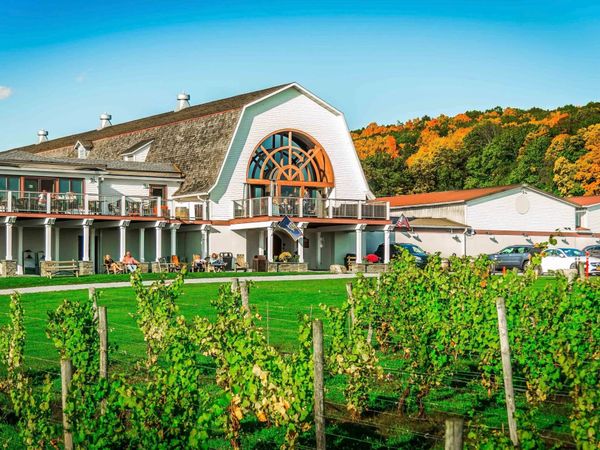
For four decades, Millbrook Vineyards & Winery has occupied a foundational place in the Hudson Valley wine landscape: a pioneer that helped prove serious vinifera wine could be grown in New York soil north of the city, and a destination winery long before “destination winery” became a regional economic development strategy. Now the Millbrook institution is entering a new phase, unveiling a series of upgrades this summer aimed at refining the guest experience while preserving the pastoral appeal that made the winery a Hudson Valley mainstay in the first place.
When John Dyson founded the winery in 1982 on a former Dutchess County dairy farm, the idea that the Hudson Valley could support a serious vinifera wine operation still struck many as optimistic. Millbrook became the first winery in the Hudson River region devoted exclusively to European-style Vitis vinifera grapes, helping establish the groundwork for what has since become a thriving regional wine industry. Long before the Hudson Valley’s brewery, cidery, and winery boom transformed agricultural tourism into a cornerstone of the local economy, Millbrook was already drawing visitors out to the countryside for tastings, concerts, and afternoons overlooking the vines.
Beginning in June, the winery will roll out expanded seating areas, optional reservations, upgraded tasting experiences, and a more robust food program sourced from Hudson Valley producers. The changes arrive under the leadership of general manager and head winemaker Ian Bearup, who describes the effort as an evolution rather than a reinvention. “This next chapter is about refining what guests already love about Millbrook Winery,” Bearup says.

Among the most visible changes is the introduction of a new adults-only seating area featuring Adirondack chairs, pondside sofas, and shaded private tables. Traditional open seating on the vineyard lawn and patio will remain free to guests, while reservations will now be available for visitors seeking a more structured experience.
The winery is also reimagining its former Tap Room space as “The Overlook” and “The Overlook Terrace,” where guests can book premium guided tastings focused on estate-grown and New York-produced wines paired with small bites. A new on-site market will feature curated products from Hudson Valley makers—charcuterie, cheeses, breads, sandwiches, salads, and nonalcoholic beverages—part of a broader move away from the anything-goes picnic culture that once defined many regional wineries. Outside food and beverages will no longer be permitted.

That shift reflects a broader maturation of the Hudson Valley wine scene itself. In the early years, regional wineries often leaned heavily on novelty and sweet hybrid wines marketed largely to tourists. Millbrook helped redefine expectations by focusing on varietals like Chardonnay, Pinot Noir, Cabernet Franc, Riesling, and Tocai Friulano while building a visitor experience that treated Hudson Valley wine as part of a larger culinary and cultural ecosystem.
Today, with dozens of wineries spread across the region and wine tourism firmly embedded in the Hudson Valley economy, Millbrook occupies a role similar to that of a legacy music venue or foundational farm-to-table restaurant: both elder statesman and ongoing participant in an increasingly crowded field. Its long-running Friday Night Food Trucks series and “Jazz in the Vineyard” concerts remain popular seasonal draws, helping cement the winery as not just a tasting destination but a social gathering place woven into the region’s cultural life.
The challenge for legacy institutions is remaining relevant without sacrificing identity. Millbrook’s upgrades appear calibrated toward that balance: more intentional hospitality, more curated experiences, and a stronger connection to local food producers, all while keeping the rolling vineyard views and relaxed atmosphere that made generations of Hudson Valley drinkers claim the winery as their own.