Is This Turtle Real?: Learn How to Spot AI in the Wild
Video editor Matthew Harrak teaches adults to spot AI-generated wildlife footage.

Video editor Matthew Harrak teaches adults to spot AI-generated wildlife footage.
Friday, June 5, 6pm | Litchfield, CT | Free
Is that stunning wildlife clip you just saw on your phone actually real? Increasingly, the answer is no, and the difference is harder and harder to spot. White Memorial Conservation Center in Litchfield is hosting a free hour-long program on June 5 designed to help adults get better at telling the difference.
"Spot the Glitch: Nature or AI Edition" is led by Matthew Harrak, a professional video editor whose credits include work for ESPN and WWE. Harrak knows from the production side exactly what it takes to create convincing moving images, which puts him in a useful position to explain where AI-generated footage still falls short. The program walks through the visual cues, editing patterns, and technical artifacts that give away an AI-generated clip—the way fur or feathers move, the physics of water and light, the micro-inconsistencies in animal behavior that a model trained on existing footage can approximate but not quite replicate. No tech background required.
AI-generated wildlife footage has been circulating on social media for years, and it has gotten good enough that it regularly fools not just casual viewers but journalists and conservation organizations. A viral clip of a never-seen animal behavior or a stunning landscape that doesn't exist can rack up millions of shares before anyone flags it. That matters beyond aesthetics: when fabricated nature content circulates as real, it muddies the public's understanding of what actual ecosystems look like and what they need. Harrak's point, stated plainly on the event page, is that real nature is worth protecting—and you can't protect what you can't recognize.
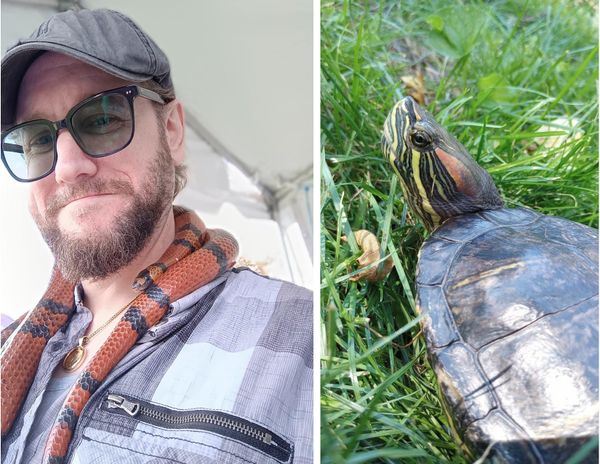
His sidekick for the evening is Yertle the Turtle, a live animal ambassador who represents the real thing and who is, presumably, unambiguously not AI.
The program is available both in person in the A.B. Ceder Room and via Microsoft Teams; a link is sent to registered participants in advance. White Memorial is a good venue for this kind of event. Founded in 1913 by siblings Alain C. White and May White, the Foundation and Conservation Center today comprise 4,000 acres of forest, fields, and wetlands spanning Litchfield and Morris, surrounding much of Bantam Lake—Connecticut's largest natural lake—with 40 miles of trails open to the public year-round. .
White Memorial Conservation Center, 80 Whitehall Rd., Litchfield, CT. Register at whitememorialcc.org.