Ben Affleck: An Oscar-Winning Career Built on Reinvention
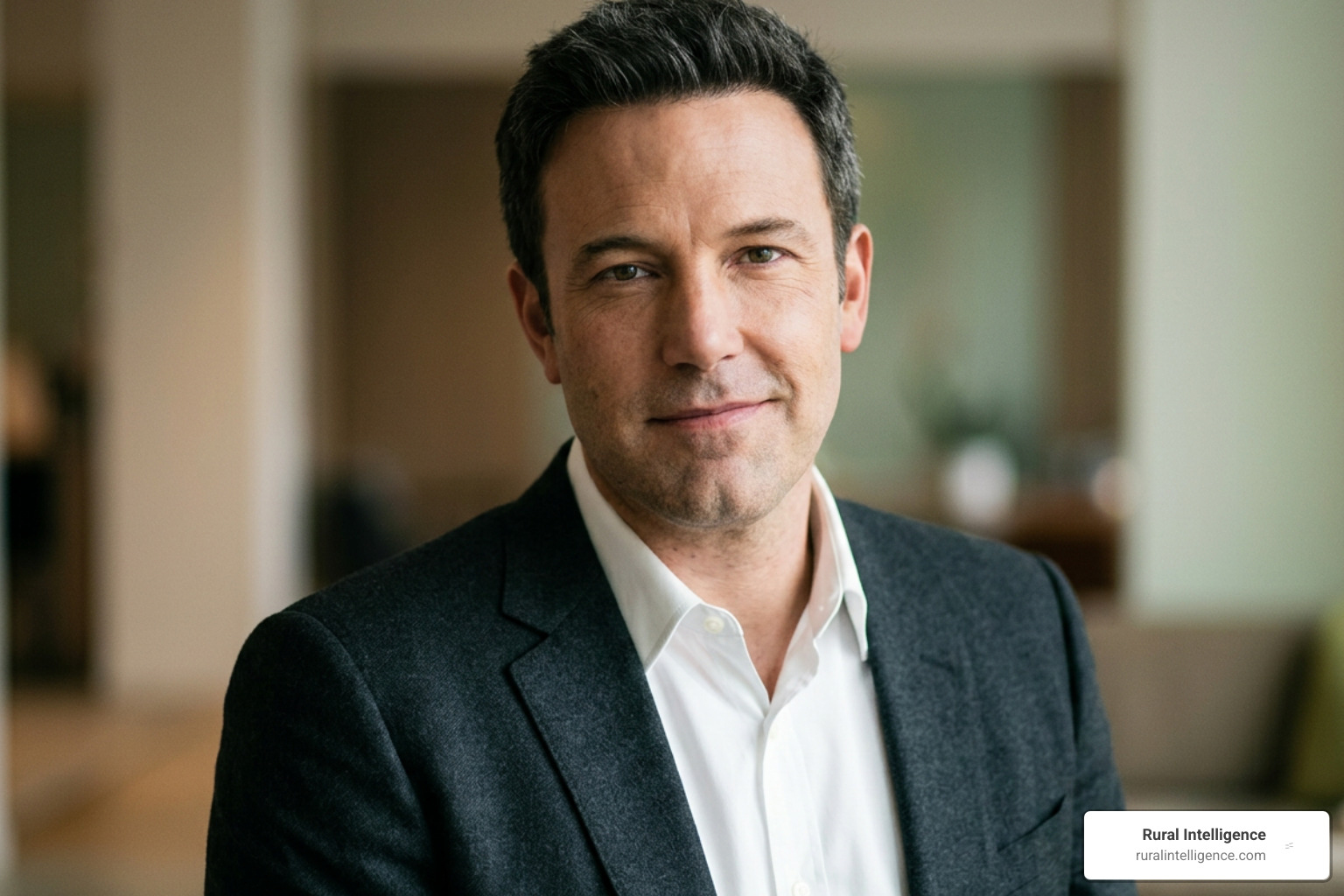
Ben Affleck is an American actor, writer, director, and producer whose career spans child television work, blockbuster films, an Oscar-winning screenplay, acclaimed crime dramas, and major studio franchises. Born in Berkeley, California, on August 15, 1972, he is best known for co-writing Good Will Hunting, directing Argo, and playing Bruce Wayne/Batman in the DC films.
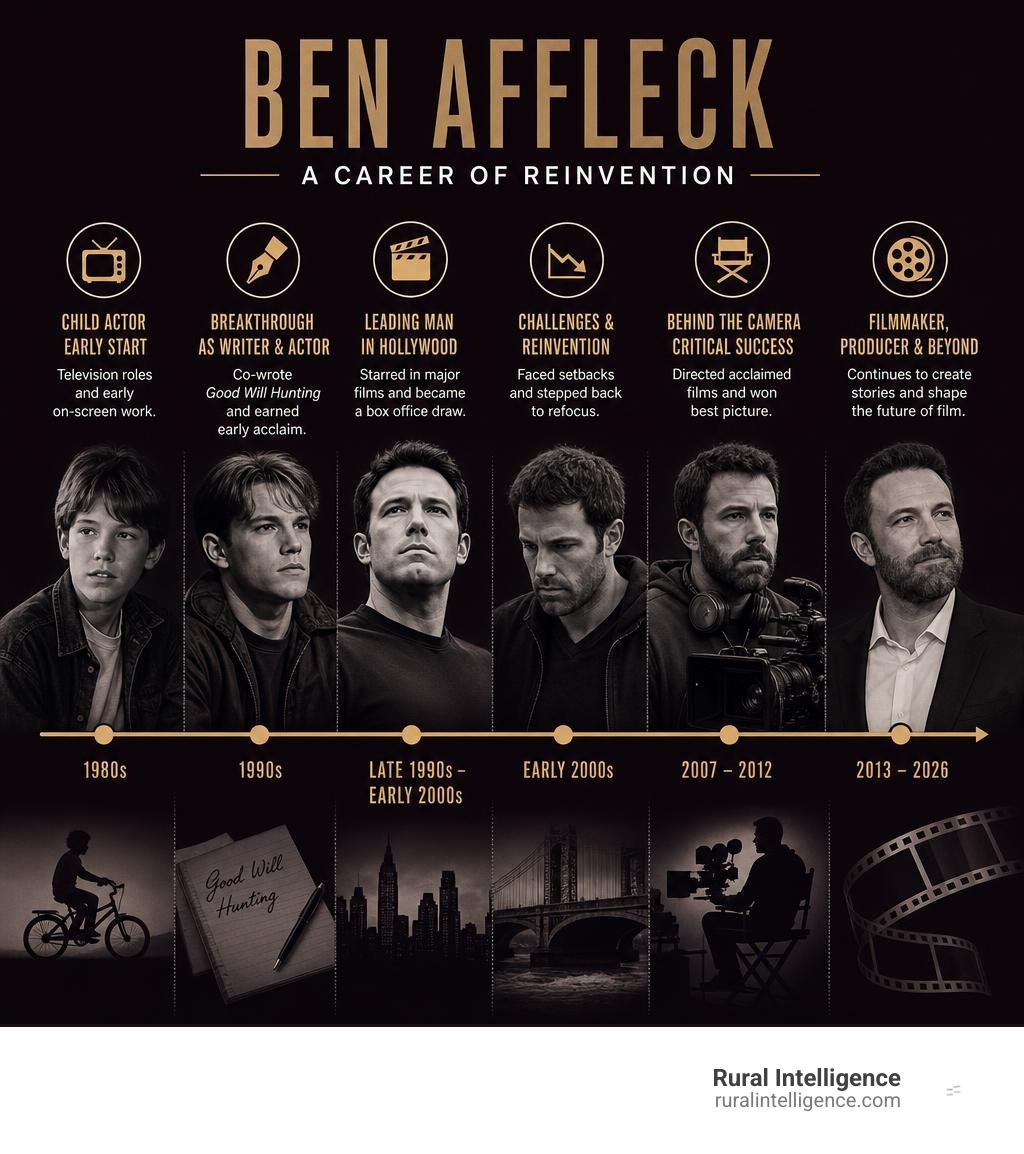
His story is not a straight line. Affleck reached early fame with Matt Damon, faced a highly public career slump in the early 2000s, then rebuilt his reputation behind the camera with Gone Baby Gone, The Town, and the Best Picture winner Argo. He has also used his public platform for humanitarian work through the Eastern Congo Initiative and, more recently, expanded into production and film technology.
For film fans, Affleck is a useful case study in staying relevant: take creative risks, learn new roles, and keep building after a setback.
Ben affleck terms to know:
The Evolution of Ben Affleck: From Indie Prodigy to Hollywood Powerhouse
Child Acting and the Good Will Hunting Phenomenon
Long before becoming an industry heavyweight, Benjamin Geza Affleck-Boldt started out on public television. His earliest significant role was in the 1984 PBS educational science series The Voyage of the Mimi, a program designed to teach middle school students about oceanography and math. Growing up in Cambridge, Massachusetts, in a household grounded by working-class realities—his father held jobs ranging from carpenter to Harvard janitor before becoming an addiction counselor—Affleck caught the acting bug early.
Throughout the early 1990s, he landed notable indie and coming-of-age roles, including Richard Linklater’s cult classic Dazed and Confused (1993) and Kevin Smith’s indie staples like Mallrats and Chasing Amy. Yet, frustrated by the lack of substantial scripts coming his way, Affleck teamed up with childhood best friend Matt Damon. Living together and sharing a joint bank account to fund train trips to New York auditions, the pair decided to write their own ticket.
That ticket was Good Will Hunting (1997). The film became a cultural and commercial sensation, earning nine Academy Award nominations. When the duo won the Oscar for Best Original Screenplay in 1998, the 25-year-old Affleck became the youngest writer in Oscar history to claim that award—a milestone documented across his profile on Ben Affleck — The Movie Database (TMDB). Overnight, the two Cambridge friends transformed from striving actors into Hollywood royalty.
Studio Blockbusters, Downfalls, and Hollywoodland
The post-Oscar era swiftly catapulted Affleck into leading-man status. Studio executives saw him as a quintessential blockbuster centerpiece, casting him in explosive hits like Michael Bay's Armageddon (1998), which pulled in over $550 million globally, followed by Pearl Harbor (2001) and The Sum of All Fears (2002).
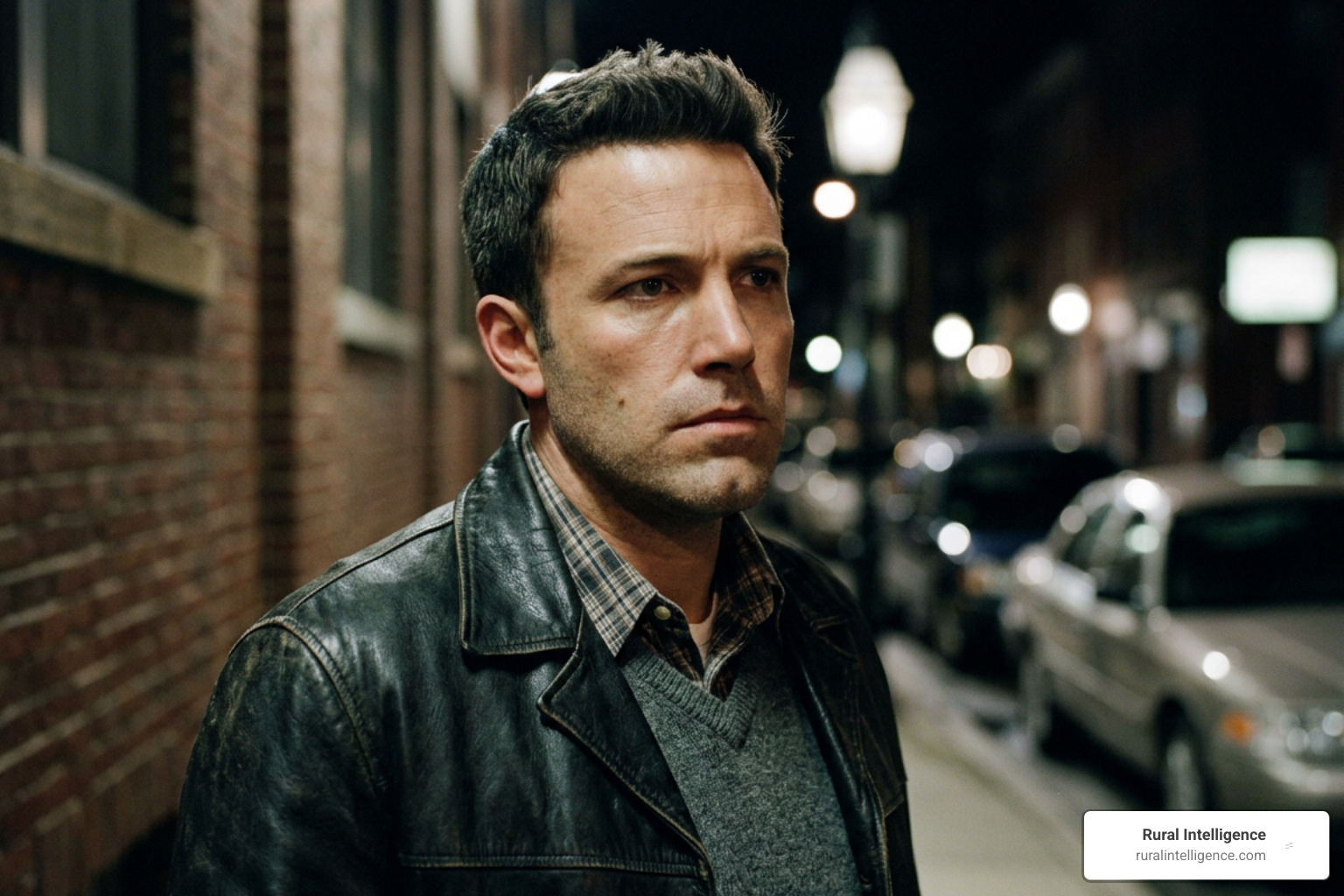
However, the hyper-saturation of high-budget action vehicles paired with relentless 2000s tabloid coverage of his personal life took a sharp toll. Missteps like the critical disaster Gigli (2003) and the mixed reception to Daredevil (2003) made him a favorite target of late-night talk shows and aggressive paparazzi. By 2004, the very visibility that fueled his rise began actively undermining his credibility as a dramatic lead.
Instead of retreating entirely, Affleck pivoted toward nuanced character work. His turning point arrived with the 2006 noir biopic Hollywoodland, in which he played 1950s Superman actor George Reeves. Infusing the role with a blend of charm and world-weary melancholy, Affleck won the prestigious Volpi Cup for Best Actor at the Venice Film Festival. The performance signaled that he was ready to step out of the tabloid spotlight and reinvent his artistry.
Directorial Mastery and Franchise Expansions
Auteur Renaissance: Gone Baby Gone, The Town, and Argo
Affleck’s most decisive career reinvention happened when he stepped behind the camera. In 2007, he directed the gritty Boston neo-noir Gone Baby Gone, adapted from Dennis Lehane’s novel and starring his brother Casey Affleck. Critics praised the film's moral complexity and authenticity. He reinforced this mastery with The Town (2010), a taut heist thriller that captured Boston's Charlestown neighborhood with exceptional texture.
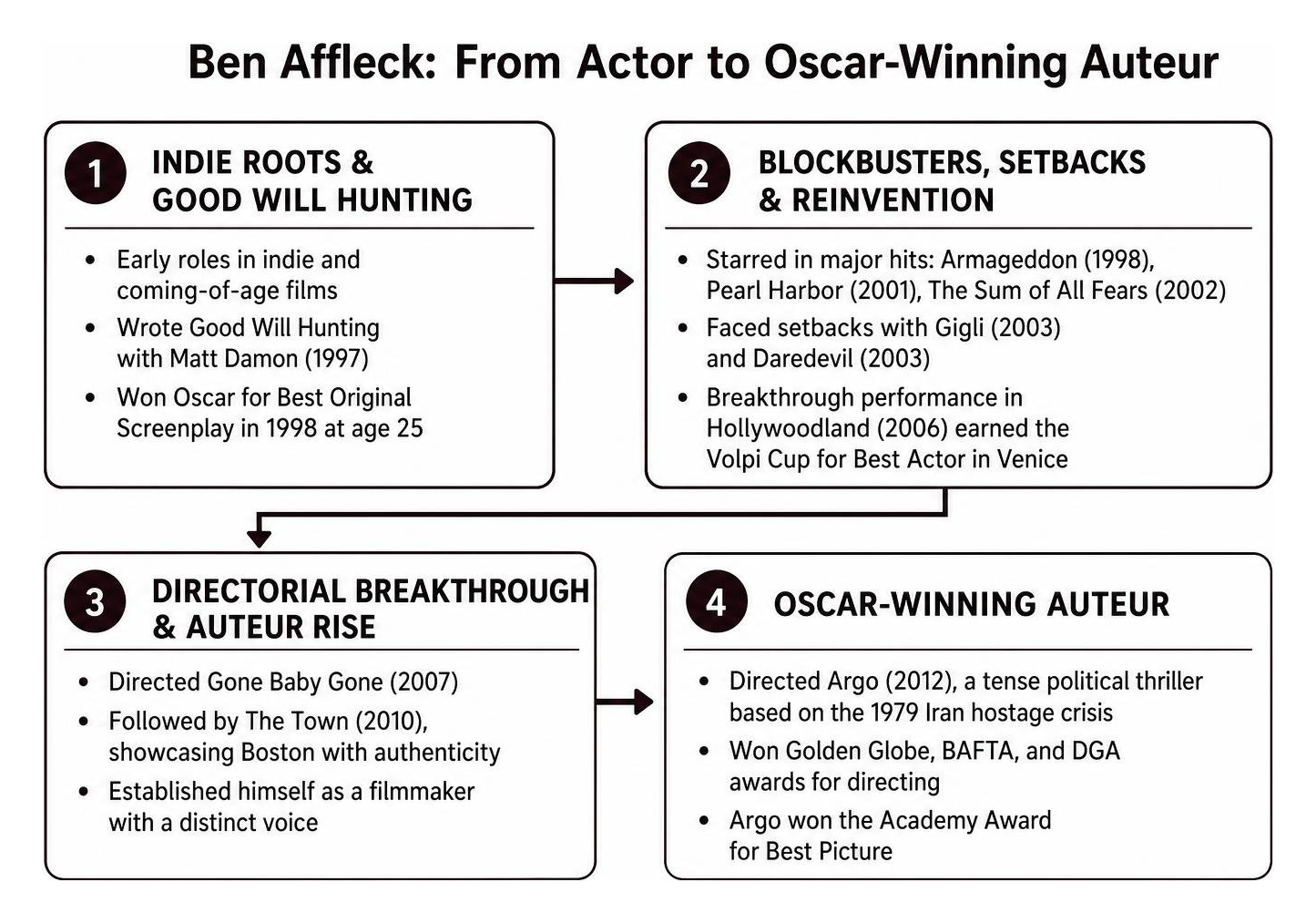
His directorial pinnacle came with Argo (2012), a tense political thriller depicting the 1979 joint CIA-Canadian rescue of six American diplomats during the Iran hostage crisis. Despite a widely discussed Oscar nomination snub in the Best Director category, Affleck took home the Golden Globe, BAFTA and Directors Guild of America awards for directing, culminating in Argo winning the Academy Award for Best Picture.
| Film Title | Release Year | Primary Role | Major Awards & Industry Recognition | Worldwide Box Office |
|---|---|---|---|---|
| Gone Baby Gone | 2007 | Director, Co-Writer | National Board of Review Directorial Debut | ~$34 Million |
| The Town | 2010 | Director, Co-Writer, Star | AFI Movie of the Year, Oscar Nomination (Supporting Actor) | ~$154 Million |
| Argo | 2012 | Director, Producer, Star | Academy Award for Best Picture, Golden Globe for Best Director | ~$232 Million |
| Live by Night | 2016 | Director, Writer, Star | Production design & technical recognition | ~$22 Million |
| Air | 2023 | Director, Producer, Star | 2 Golden Globe Nominations, Gotham Icon & Creator Tribute | ~$90 Million |
The DCEU Era: The Legacy of Ben Affleck as Batman
In August 2013, Warner Bros. made a headline-shattering announcement that Affleck would inherit the cape and cowl as Bruce Wayne in Zack Snyder's expanding DC Extended Universe, as highlighted by BEN AFFLECK REVEALED AS BATMAN IN WARNER BROS. PICTURES’ NEW SUPER HERO FEATURE FILM, NOW SLATED TO OPEN JULY 17, 2015 | DC Comics.
Initial social media skepticism—dubbed "Batfleck"—quickly gave way to acclaim upon the release of Batman v Superman: Dawn of Justice (2016). Affleck delivered a hulking, battle-weary, and psychologically scarred interpretation of the Dark Knight inspired by Frank Miller's The Dark Knight Returns. He reprised the role across Suicide Squad (2016), Justice League (2017), Zack Snyder's Justice League (2021), and The Flash (2023).
Despite fan enthusiasm for his portrayal, the intense physical toll, studio turbulence during Justice League reshoots, and his own personal challenges led him to step away from directing and starring in a standalone Batman solo project. The decision allowed him to refocus on independent dramatic projects and original filmmaking.
Philanthropy, Personal Life, and Public Scrutiny
Eastern Congo Initiative and Humanitarian Advocacy
Beyond Hollywood, Affleck has committed substantial energy to international human rights and political engagement. In 2010, after numerous fact-finding missions to the Democratic Republic of Congo (DRC), he co-founded the Eastern Congo Initiative (ECI).
Affleck has repeatedly testified before the U.S. House Committee on Foreign Affairs and the Senate Foreign Relations Committee, urging American policymakers to support regional stability, economic development, and humanitarian aid in central Africa. His comprehensive historical and legal cataloging in national archives is preserved via authoritative records like Affleck, Ben, 1972-.
Marriages, Sobriety, and Personal Milestones
Affleck’s high-profile personal life has often intersected with his art. He married actress Jennifer Garner in 2005, with whom he shares three children. The couple divorced in 2018 but maintain a close co-parenting partnership. He later rekindled his relationship with singer and actress Jennifer Lopez, marrying in 2022 before divorcing in 2025.
Throughout these public milestones, Affleck has been refreshingly candid about his prolonged battle with alcoholism, entering treatment facilities several times and speaking openly about recovery. That personal vulnerability fed directly into his acclaimed performance in Gavin O'Connor's sports drama The Way Back (2020), where he played an alcoholic high school basketball coach seeking redemption.
He has also weathered his share of media controversies. In 2014, his appearance on PBS's Finding Your Roots drew scrutiny when it was revealed he requested the omission of an ancestor who had owned enslaved people—a decision he later publicly regretted and acknowledged as an error in judgment. Furthermore, during the MeToo movement, Affleck faced questions regarding past unprofessional behavior on set, for which he issued public apologies and pledged greater accountability within his productions.
The 2020s Transformation: Business, Tech, and Future Projects
Industry Disruption: How Ben Affleck and Artists Equity Innovate Production
In November 2022, Affleck and Matt Damon founded Artists Equity, an artist-led production studio backed by investment firm RedBird Capital Partners. The studio’s goal is to reshape traditional Hollywood compensation models by offering profit-sharing incentives not just to above-the-line stars and directors, but to below-the-line crew members including costume designers, cinematographers, and editors.
Their maiden release, Air (2023), directed by Affleck and starring Damon alongside Viola Davis and Affleck himself as Nike co-founder Phil Knight, proved this model's viability. The film was praised for its snappy script, warmth, and ensemble performances.
- Air (2023) – A commercial and critical hit detailing the creation of the Air Jordan shoe line.
- The Greatest Love Story Never Told (2024) – Behind-the-scenes documentary production.
- Small Things Like These (2024) – Historical drama starring Cillian Murphy.
- Unstoppable (2024) – Inspiring sports biopic starring Jharrel Jerome.
- The Rip – Fast-paced action-thriller developed with prominent streaming distribution.
Tech Ventures and Upcoming Projects
Affleck has embraced technological shifts in entertainment. He co-founded InterPositive, an artificial intelligence company built to assist film and television post-production workflows. The platform aimed to reduce visual effects budgets by up to 50% without compromising artistic control. Netflix later acquired InterPositive, concurrently entering into a first-look streaming partnership with Artists Equity.
On the screen, Affleck returns to fan-favorite roles like Christian Wolff in The Accountant 2, while actively developing projects like the kidnapping thriller Animals and narrating major true-crime docuseries. His global digital registry and aliases are indexed via resources like Ben Affleck - Wikidata.
Frequently Asked Questions
How many Academy Awards has the actor won?
Ben Affleck has won two Academy Awards:
- Best Original Screenplay (1998) for Good Will Hunting (shared with Matt Damon).
- Best Picture (2013) for Argo (shared with George Clooney and Grant Heslov as producers).
What is the Eastern Congo Initiative?
Founded in 2010 by Ben Affleck and Whitney Williams, the Eastern Congo Initiative (ECI) is the first U.S.-based advocacy and grantmaking organization focused exclusively on supporting the people of the eastern Democratic Republic of Congo through local community investments, agriculture, and policy reform.
What are his latest business and production ventures?
Affleck serves as CEO of Artists Equity, a production company partnering with creators on profit-sharing models. He also founded the film-tech AI company InterPositive (acquired by Netflix) and remains active directing, producing, and starring across feature films.
Conclusion
Ben Affleck’s journey represents one of the most dynamic paths in modern American cinema. From his start on educational television to becoming an Oscar-winning screenwriter at 25, navigating intense tabloid turbulence, and ascending as a respected director and tech-forward producer, his career is defined by reinvention.
Whether examining creative storytelling, film history, or the broader evolution of contemporary entertainment, exploring how artists pivot and reinvent themselves remains central to our mission at Rural Intelligence. To learn more about regional creators, exhibitions, and creative journeys shaping our cultural landscape, explore our ongoing coverage of regional culture and visual art.