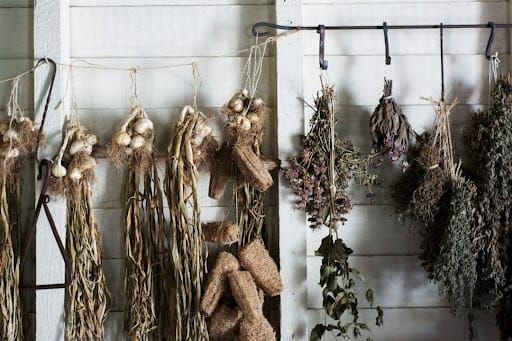
Long before wellness had an aisle, the Shakers of Mount Lebanon were drying roots for customers across the country. Their packets carried a name that buyers trusted. That trust came from habits, not slogans, and those habits still work in 2026.
Today the botanical shelf holds plants the Shakers never sold. Amentara products, for instance, range from blue lotus and kava to kanna and Amanita muscaria in caps, capsules and tinctures, all intended for adults where local law allows them. A shopper in Chatham or Lenox can borrow the Shaker playbook to judge any of it.
How Big Was the Shaker Herb Business?
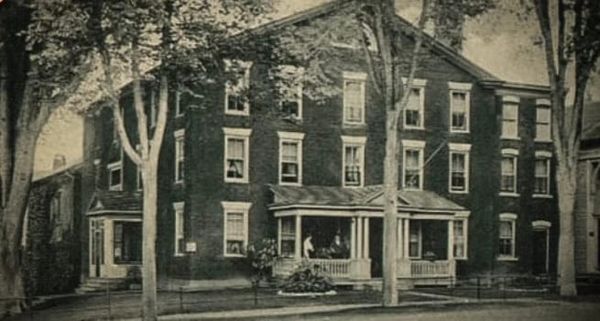
It was bigger than most visitors to Hancock Shaker Village imagine. The Shakers formally gathered at Mount Lebanon in 1787, and their herb trade began around 1800. Watervliet's own herb business, begun in 1827, soon offered about 140 products.
Sisters Lillian Phelps and Bertha Lindsay later set down the numbers in their account of Shaker industries. The trade peaked around 1848, when the sisters cleaned and packaged 9,327 pounds of roots. In a single year, more than a million labels were cut.
A physic garden is a plot grown for medicinal plants, and their figures show how much land went into one:
- The physic gardens at Mount Lebanon once covered over 50 acres.
- The Shakers collected nearly 200 kinds of native plants.
- They brought in 30 to 40 more from the South, the West and Europe.
- Between 1861 and 1862, they made more than 100 solid and fluid extracts.
Some of that wild knowledge came from neighbors. The Mohican people shared their herb lore with the Shakers, and the 240-acre Shaker Swamp remains the main source of the area's herbal heritage.
What Did an Old Herb Label Actually Tell You?
A good label was a promise you could check. The Shaker Museum holds a Mount Lebanon bottle of Seigel Curative Syrup from about 1875 to 1900. Its catalog record notes that the paper label named the seller, the maker, the formula, the price and the directions. The label text ran in both English and German.
Many modern labels say far less. A label that hides the plant's part, origin or preparation leaves the buyer guessing.
Preparation mattered to the Shakers, too. The same account describes a vacuum pan they used to boil herbs at a lower temperature. Gentler heat kept more of each plant's qualities from escaping in steam.
Which Shaker Questions Still Work Today?
The same five questions travel well from an 1840s drying loft to a modern web shop:
- What exactly is it? Look for the full species name and the plant part, not a vague "blend."
- Where did it grow, and who gathered it? A seller should name regions and harvesters.
- How was it prepared? Drying temperature and method change the final material.
- Who stands behind it? A track record and a clear seal or guarantee carry weight.
- What does it claim? Honest sellers avoid cure language entirely.
Amentara answers several of these in public:
- Its Amanita, the company reports, comes from foraging families in the forests of Siberia and Eastern Europe.
- Its blue lotus comes from family cooperatives in Thailand and Sri Lanka.
- It works with more than 40 individuals, families and small businesses worldwide.
- It says its Amanita is dried at 100 degrees Fahrenheit.
Two shops can sell the same plant at very different standards. The Amentara Trust Seal is the brand's own promise of ethical sourcing and care. A certificate of analysis is a lab report on a batch, and it is useful, but treat it as one signal. Paperwork can be forged, and Amanita is notoriously hard for today's labs to quantify.
How Do Older Traditions Fit the Picture?
The Shakers respected what earlier healers knew, and that respect applies to newer shelves as well. Amanita muscaria, the red-capped fly agaric, carries a long and well-recorded story of its own.
Peter Furst, writing for the Penn Museum in 2004, described its centuries of use by Siberian shamans. He also argued that the fearsome reputation field guides give it is undeserved. A 2025 Polish literature review records folk use for complaints such as rheumatism.
Religious art adds another chapter. A fresco from the 1290s at Plaincourault chapel in central France shows Adam and Eve beside an unusual tree. Some writers read that tree as the fly agaric. Art historian Erwin Panofsky judged it a stylized pine.
Research calls for that same open mind. Human studies on these plants remain few, and some published work is poorly done or paid for by industry. Set those papers next to indigenous and shamanic history, what many users have reported, your own judgment and advice from a medical professional.
Which Cautions Belong On Every Shopping List?
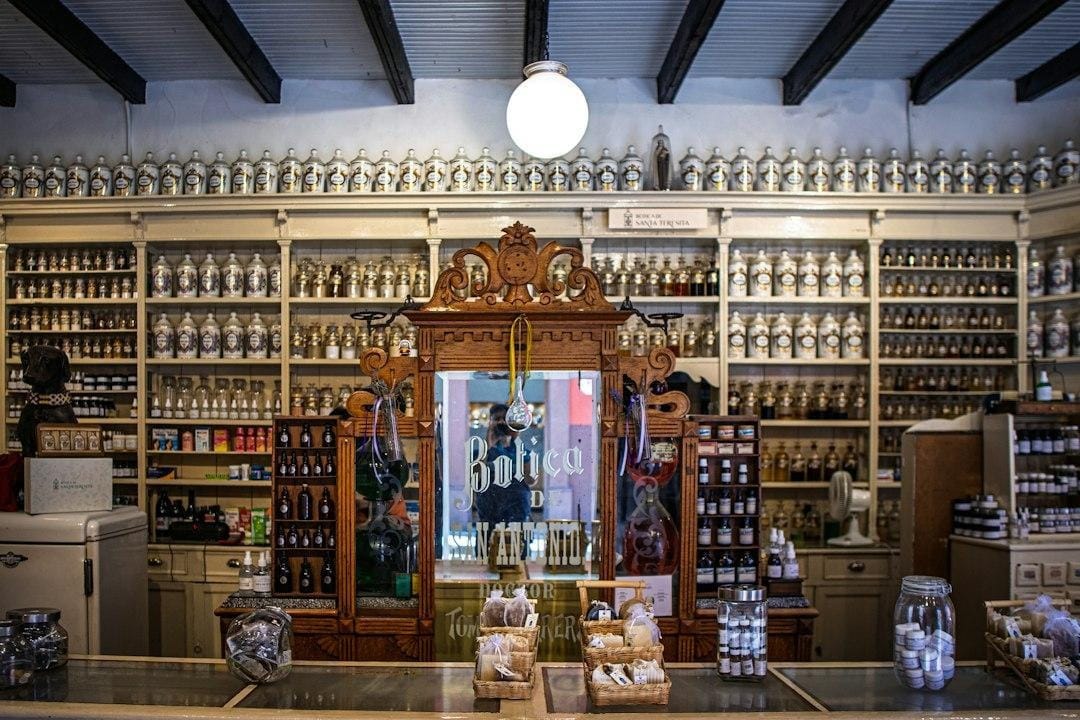
Photo by Ángel Nava on Unsplash
Alt text: An old pharmacy interior with shelves of labeled glass jars and a wooden counter
No one is legally allowed to market these botanicals as a certain cure, so use your own discernment.
A Shaker Habit Worth Keeping
The Shakers earned trust by labeling plainly and preparing carefully. Those same two habits separate a thoughtful botanical seller from a careless one today. Ask the five questions, read the label, and let tradition and good sense guide the rest.
Frequently Asked Questions
Where Did the Shaker Herb Trade Begin?
It began around 1800 at Mount Lebanon in New Lebanon, New York, just across the state line from Hancock. The trade later spread to Watervliet, Canterbury and other Shaker communities.
Can I See Shaker Herb Labels and Bottles Today?
Yes. The Shaker Museum keeps Mount Lebanon product labels and medicine bottles in its collection. Hancock Shaker Village in Pittsfield also runs herb programs, such as its lavender workshop.
Can Every American Adult Order Amanita Products?
No. Amanita muscaria is not federally scheduled, yet Louisiana prohibits it for human consumption. Readers elsewhere still need to confirm what their own state and town permit.
Does a Lab Report Prove a Botanical Is High Quality?
Not by itself. A certificate is a snapshot, and some plants resist precise testing. The Shakers built trust over decades, and a seller's long record still says more than one page of results.