Understanding Dandruff: Pathophysiology and Differential Diagnosis
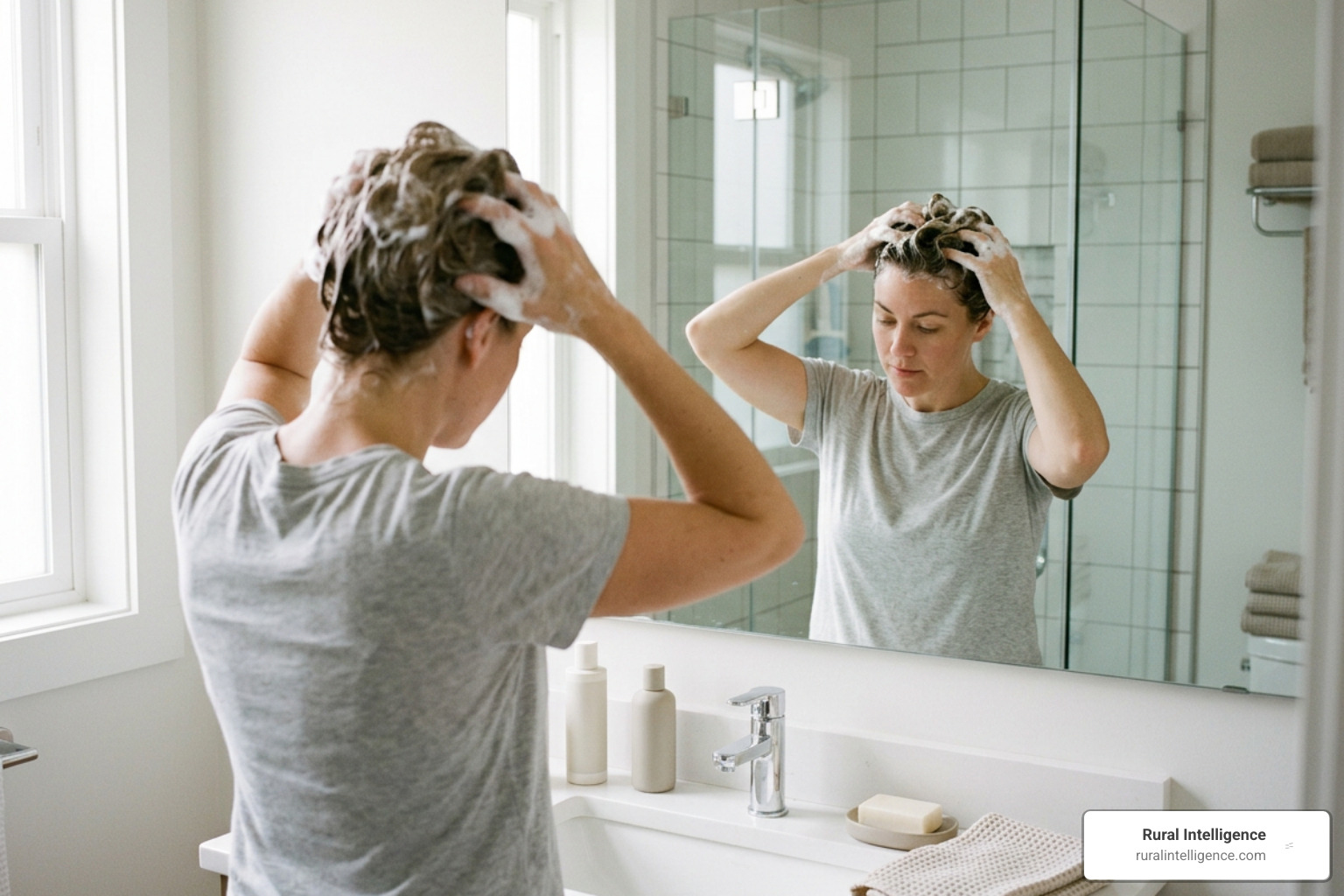
An effective dandruff treatment relies on medicated shampoos containing targeted active ingredients like ketoconazole, pyrithione zinc, or selenium sulfide. Applying these formulas directly to the scalp with a five-minute dwell time allows the active compounds to suppress yeast overgrowth, reduce scaling and normalize cellular turnover before rinsing.
To choose the best remedy, we need to understand the biological mechanics occurring at the follicular level. On a balanced scalp, epidermal turnover takes roughly 28 days. During normal cellular shedding, invisible corneocytes slough off without disruption—releasing approximately 487,000 cells per square centimeter after regular cleansing. When dandruff develops, that turnover accelerates drastically, pushing shedding rates up to 800,000 cells per square centimeter.
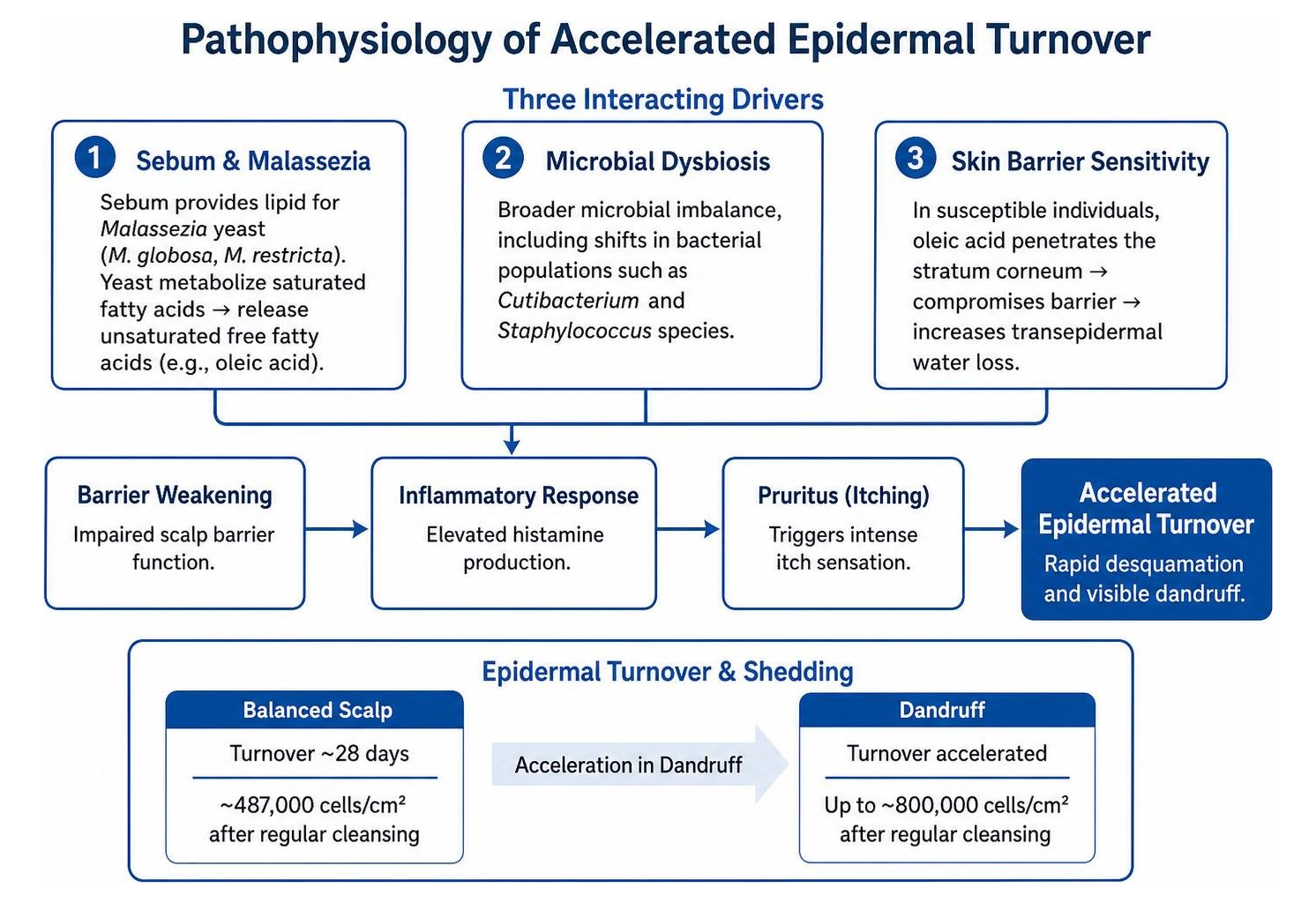
This rapid desquamation is primarily driven by three interacting factors: sebum production, cutaneous microbial balance, and individual skin barrier sensitivity. The human scalp naturally hosts yeast species belonging to the Malassezia genus (chiefly Malassezia globosa and Malassezia restricta). These lipophilic organisms consume saturated fatty acids in our sebum, leaving behind unsaturated free fatty acids like oleic acid.
In susceptible individuals, oleic acid penetrates the stratum corneum, compromising the skin barrier and causing transepidermal water loss. Recent genomic research shows that dandruff involves broader microbial dysbiosis, including shifts among bacterial populations such as Cutibacterium and Staphylococcus species. As the barrier weakens, the scalp produces elevated levels of histamine, triggering intense pruritus (itching). For deeper clinical insights into this physical process, explore clinical guidance on dandruff diagnosis and management.
Dandruff vs. Seborrheic Dermatitis
Many people wonder whether they are dealing with standard dandruff or a more severe dermatological issue. Dandruff represents a subclinical, non-inflammatory form of scalp flaking. The skin sheds noticeable flakes, but there is no prominent redness (erythema) or swelling.
In contrast, seborrheic dermatitis is a chronic, relapsing inflammatory condition. It presents with greasy, yellowish, adherent scales accompanied by visible redness, burning, and irritation. Seborrheic dermatitis frequently extends beyond the scalp margins to the eyebrows, nasolabial folds, ears, and chest. In infants, it is commonly recognized as cradle cap.
Another condition to distinguish is scalp psoriasis, which produces thick, sharply demarcated, silvery-white plaques that bleed easily when removed (Auspitz's sign). Reviewing an expert consensus on scalp seborrheic dermatitis management helps clarify these distinct clinical presentations.
Over-the-Counter and Medicated Dandruff Treatment Options
Topical therapeutic cleansers form the primary defense against scalp flaking. Modern anti-dandruff shampoos rely on targeted active compounds designed to reduce fungal proliferation, slow cellular hyperproliferation, or dissolve accumulated keratin scales.
| Active Ingredient | Primary Class | Mechanism of Action | Common OTC Strength | Best Suited For |
|---|---|---|---|---|
| Ketoconazole | Imidazole Antifungal | Inhibits fungal ergosterol synthesis to reduce Malassezia | 1% (OTC), 2% (Rx) | Stubborn fungal flaking & inflammation |
| Pyrithione Zinc | Antimicrobial / Cytostatic | Disrupts fungal membrane transport & normalizes keratinization | 1% to 2% | Mild-to-moderate flaking & daily balance |
| Selenium Sulfide | Cytostatic / Antifungal | Decreases corneocyte turnover rate and yeast density | 1% (OTC), 2.5% (Rx) | Heavy, oily flaking and excess sebum |
| Salicylic Acid | Keratolytic (BHA) | Dissolves intercellular lipids to loosen adherent scales | 1.5% to 3% | Thick plaque buildup and crusting |
| Coal Tar | Keratoplastic / Antiseptic | Slows epidermal cell division and relieves pruritus | 0.5% to 5% | Severe scaling and chronic itch |
| Piroctone Olamine | Hydroxypyridone | Controls fungal growth and protects against lipid peroxidation | 0.5% to 1% | Sensitive scalps requiring gentle formulas |
Selecting the Right Active Ingredient for Dandruff Treatment
Selecting the most suitable formula depends on your specific scalp profile:
- For persistent itching and fungal overgrowth: Antifungals like ketoconazole or ciclopirox olamine target microbial cell walls directly. Ketoconazole boasts an impressive Number Needed to Treat (NNT) of 5 for clinical symptom clearance.
- For rapid cell turnover and oily buildup: Pyrithione zinc and selenium sulfide act as cytostatic agents, slowing cellular reproduction down to healthy baseline levels.
- For thick, stubborn, crusty flakes: Keratolytic agents such as salicylic acid break down the protein structures holding dead corneocytes together, allowing them to wash away cleanly.
- For heavy scaling: Coal tar suppresses DNA synthesis in epidermal cells. However, tar formulations can stain light-colored or chemically treated hair and heighten UV sensitivity.
Application Protocols, Dwell Time, and Ingredient Rotation
Using a medicated shampoo requires a different approach than standard washing:
- Direct Scalp Application: Part your hair and apply the product directly to wet scalp skin rather than lathering only the lengths of your hair.
- Ensure a 5-Minute Dwell Time: Medicated shampoos contain active chemical precipitates that need at least five full minutes of contact time to separate from the lather and bind to the scalp surface. Rinsing immediately washes away the active compounds before they can act.
- Coordinate Your Conditioner: Use a matching anti-dandruff conditioner containing compatible actives. Standard cosmetic conditioners can coat the scalp in heavy silicones that neutralize therapeutic deposits.
- Rotate Actives to Prevent Tolerance: If a shampoo appears to lose efficacy after several months of use, rotate between two or three different active classes (e.g., alternating ketoconazole with zinc pyrithione).
Customizing Scalp Routines for Diverse Hair Textures and Lifestyle Factors
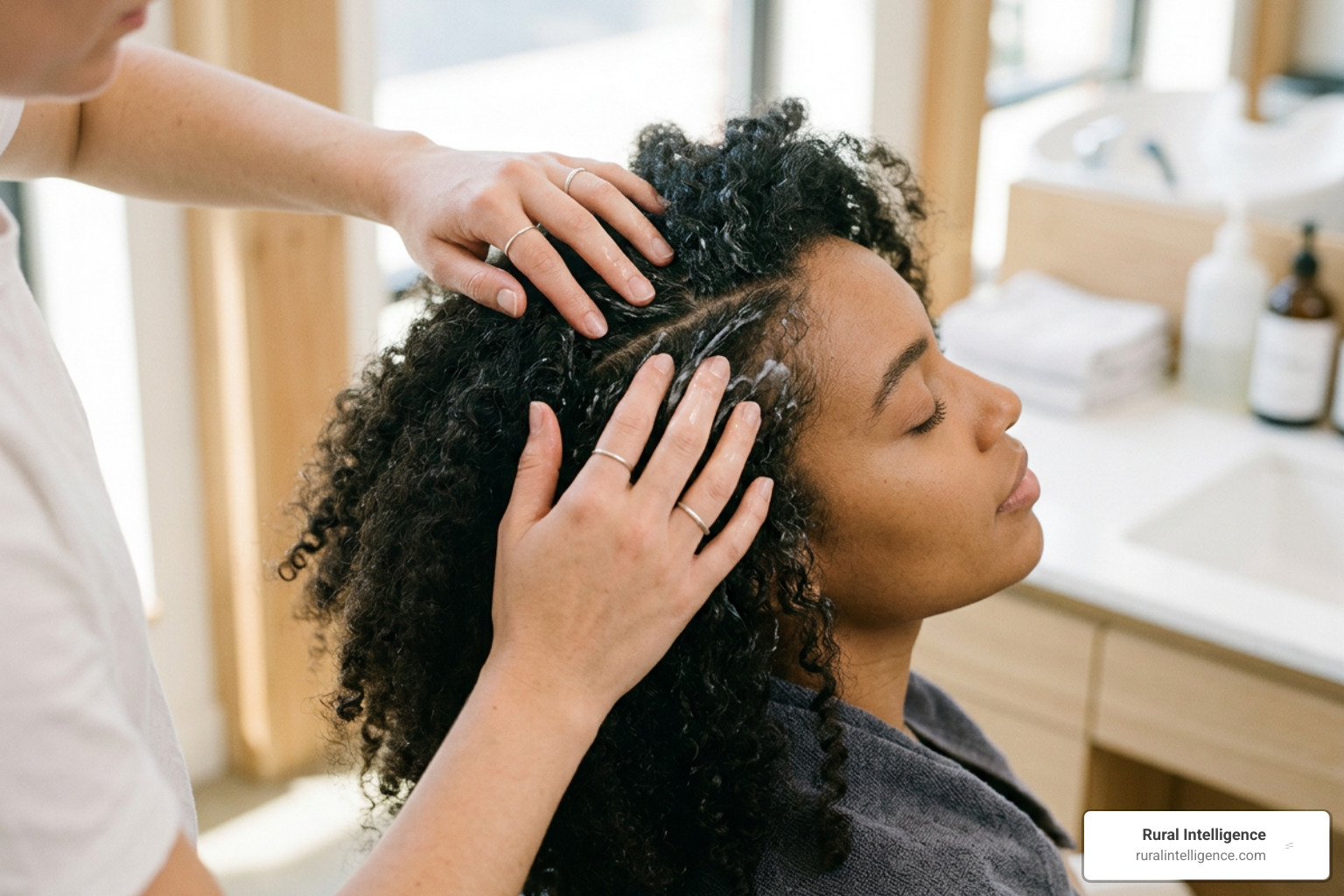
A successful treatment strategy must adapt to individual hair texture, porosity, and daily routines. Straight and fine hair allows sebum to migrate rapidly down the hair shaft, requiring frequent cleansing (daily or every other day) to clear excess oils. Conversely, tightly curled, coiled, or chemically processed hair needs gentler washing schedules to avoid moisture depletion and strand breakage.
Lifestyle factors also directly influence scalp barrier health. Chronic emotional stress stimulates systemic cortisol release, which can disrupt epidermal barrier recovery and trigger flare-ups. Minimizing high-heat blow-drying prevents scalp dehydration, while brief, protected outdoor daylight exposure can offer mild natural antimicrobial support.
Textured, Curly, and Coiled Hair Considerations
For curly and coiled hair textures (Types 3 and 4), standard high-surfactant medicated shampoos can cause excessive dryness. To preserve hair integrity:
- Reduce Medicated Cleansing Frequency: Limit therapeutic shampooing to once weekly or once every two weeks.
- Target the Roots: Apply medicated formulas directly to the scalp with an applicator nozzle, leaving the lengths of the hair coated in a protective conditioner.
- Use Leave-In Alternatives: Non-rinse lotions containing zinc pyrithione, or light mineral-oil-based scalp solutions, deliver active ingredients without demanding frequent water-based washes.
- Identify Signs on Deeper Skin Tones: On darker skin, scalp inflammation often presents without obvious redness, appearing instead as hypopigmented (lighter) macules or petaloid scaling along the hairline.
Natural and At-Home Scalp Care Strategies
Natural ingredients can serve as helpful adjuncts alongside over-the-counter treatments:
- Pre-Wash Scale Softening: Massaging plain mineral oil, coconut oil, or olive oil into the scalp for 1 to 3 hours before washing helps soften stubborn, adherent scales for gentle combing.
- Aloe Vera: Topical aloe vera gel delivers cooling polysaccharides that soothe reactive skin and reduce itching sensations.
- Diluted Tea Tree Oil: Formulations containing 5% tea tree oil offer mild natural antifungal activity. However, undiluted essential oils carry a notable risk of allergic contact dermatitis and should never be applied directly to irritated skin.
- Gentle Scalp Cleansing: Avoid aggressive physical scrubbing with sharp fingernails or stiff brushes, which can cause micro-abrasions and secondary bacterial infections.
Clinical Interventions and When to See a Dermatologist
Most mild flaking resolves with regular over-the-counter care. However, if your scalp does not improve after four to six weeks of consistent treatment, consult a dermatologist for prescription-strength interventions. You should also seek professional evaluation if you experience swelling, intense burning, oozing crusts, or signs of hair loss.
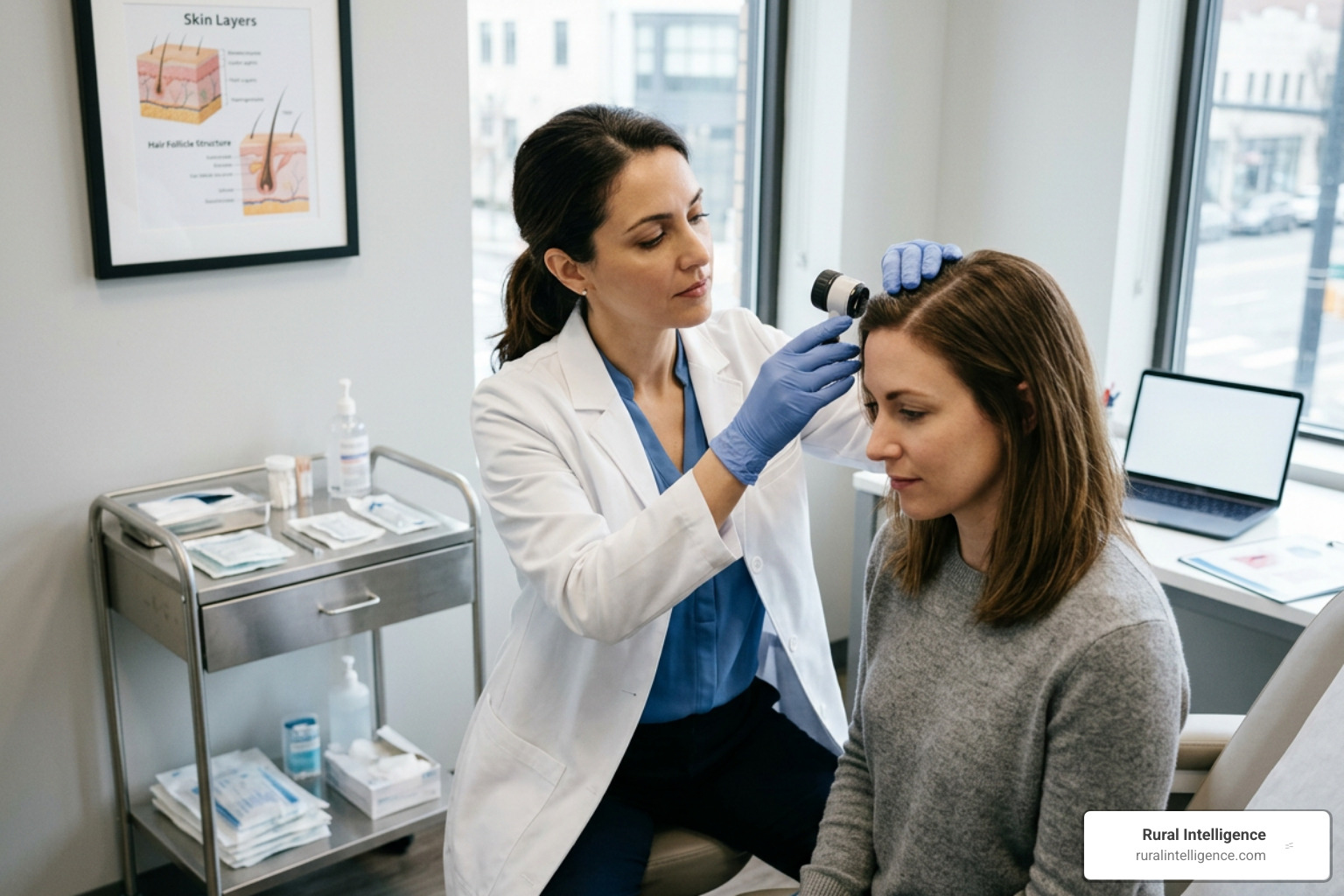
Severe inflammation can alter normal hair cycle mechanics, shifting follicles prematurely into the exogen phase and causing temporary telogen effluvium shedding.
Prescription interventions include:
- High-Potency Antifungals: Ketoconazole 2% shampoo or ciclopirox 1% gel.
- Topical Corticosteroids: Fluocinolone acetonide 0.01% scalp oil, clobetasol propionate 0.05% shampoo, or betamethasone solutions for short-term control of severe flares.
- Steroid-Sparing Topicals: Calcineurin inhibitors (tacrolimus, pimecrolimus) or non-steroidal PDE-4 inhibitors (such as roflumilast 0.3% foam) to calm sensitive hairline areas without causing skin thinning.
For comprehensive clinical reference material on persistent scalp conditions, consult professional clinical insights on seborrheic dermatitis.
Frequently Asked Questions About Scalp Flaking
How Long Does an Effective Dandruff Treatment Take to Clear Flakes?
Most individuals notice an improvement within 5 to 10 medicated washes. Once visible flakes and itching subside, reduce use to a maintenance schedule of once weekly or once every two weeks to prevent recurrence.
Can Natural Home Remedies Cure Dandruff Permanently?
No. Dandruff is a chronic physiological tendency linked to your natural skin microbiome and sebum chemistry. Natural oils and herbal rinses can soothe irritation and help soften scales, but they do not alter underlying cellular turnover. Long-term management requires consistent maintenance.
What Should You Do if a Medicated Shampoo Causes Scalp Irritation?
Discontinue the product immediately. Rinse your scalp thoroughly with cool water and switch to a fragrance-free, gentle baby shampoo. If you develop facial swelling, hives, or intense burning, contact a healthcare provider to assess for allergic contact dermatitis.
Conclusion
Managing scalp flaking comes down to biological consistency rather than aggressive treatments. By understanding your scalp's unique needs, selecting the right active ingredients, allowing adequate contact time, and tailoring wash frequencies to your hair texture, you can maintain a comfortable, flake-free scalp throughout the year.
We love sharing actionable lifestyle, wellness, and self-care insights that help you look and feel your best across every season. When you are ready to take a relaxing break from your daily routine, we invite you to immerse yourself in regional culture and explore inspiring local visual art throughout our community.