After a crash on a Berkshire road, you’re home with a damp insurance card and scene photographs on your phone, but nowhere reliable to keep any of it. Then there’s the police report: after a car accident, where does that report go? Put what’s been recorded in an orderly file, where you can also keep track of paperwork that’s still unfinished. Even with discharge instructions still on the kitchen counter days later, you won’t have to reconstruct that roadside conversation.
Step 1: Preserve the scene record
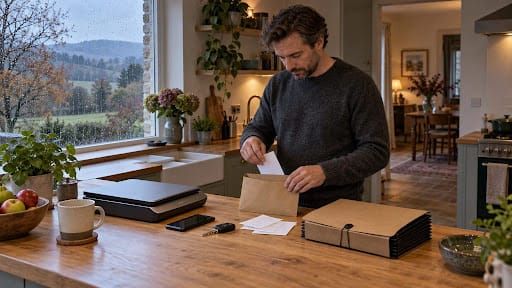
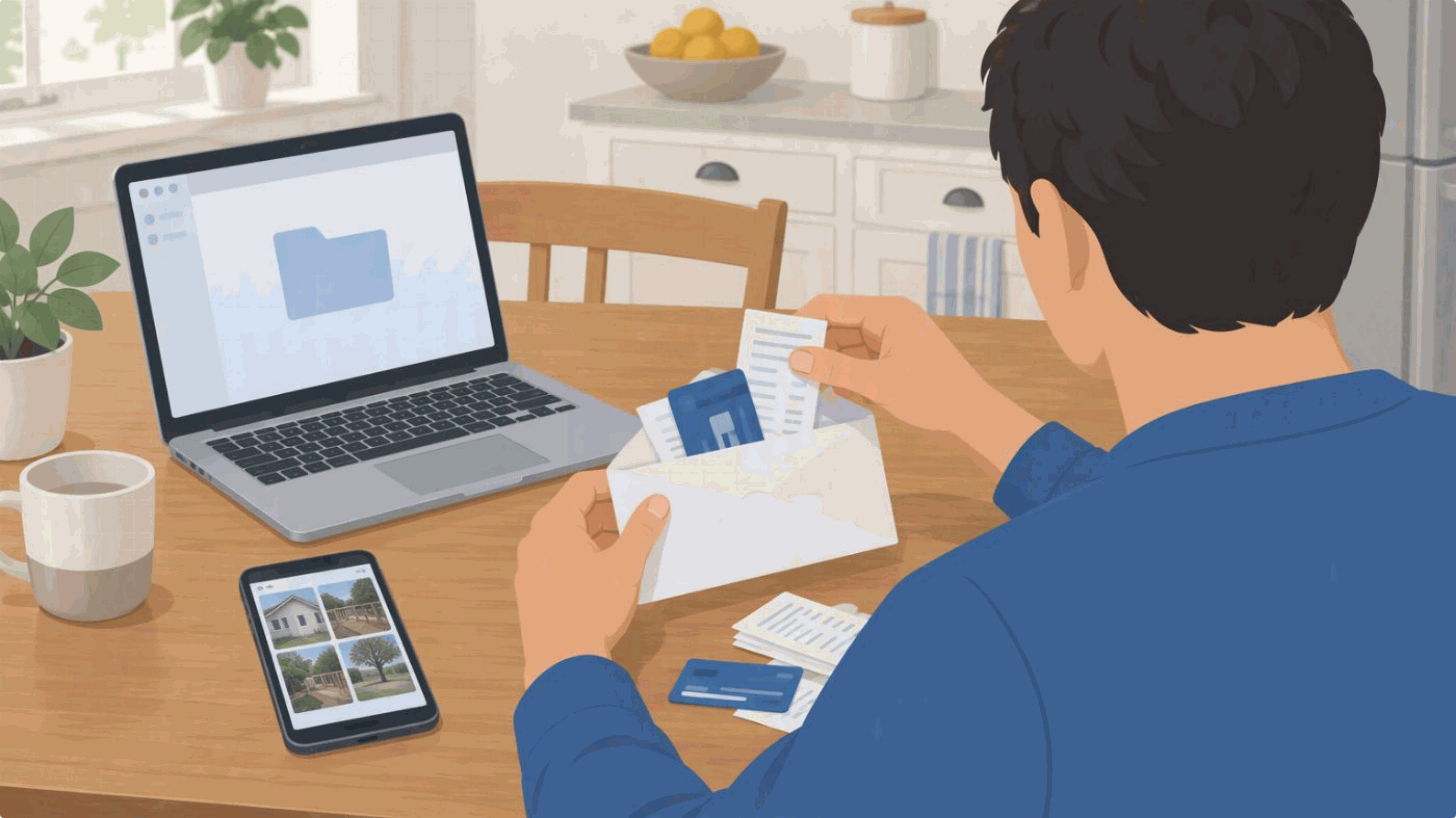
Create a crash folder, putting medical and safety needs first. Use the crash date to start the main folder name and working filenames, adding a short description such as “driver-door.” Put physical receipts and exchanged cards in a paper envelope, scanning them afterward into the electronic folder that matches it.
Record details that may disappear
Beside your written incident number, put the responding agency and the officer’s name if provided. In a short factual note, put the crash location with the approximate time. Label as estimates what’s uncertain.
Keep originals intact
Your originals stay unchanged. Save photographs showing vehicle positions and visible damage, with views of the surrounding roadway kept alongside them instead of relying on social media. Save a cropped or annotated photograph separately from the original version. Keep the originals’ names, leaving their metadata alone.
Step 2: Track what happens to a police report after a car accident
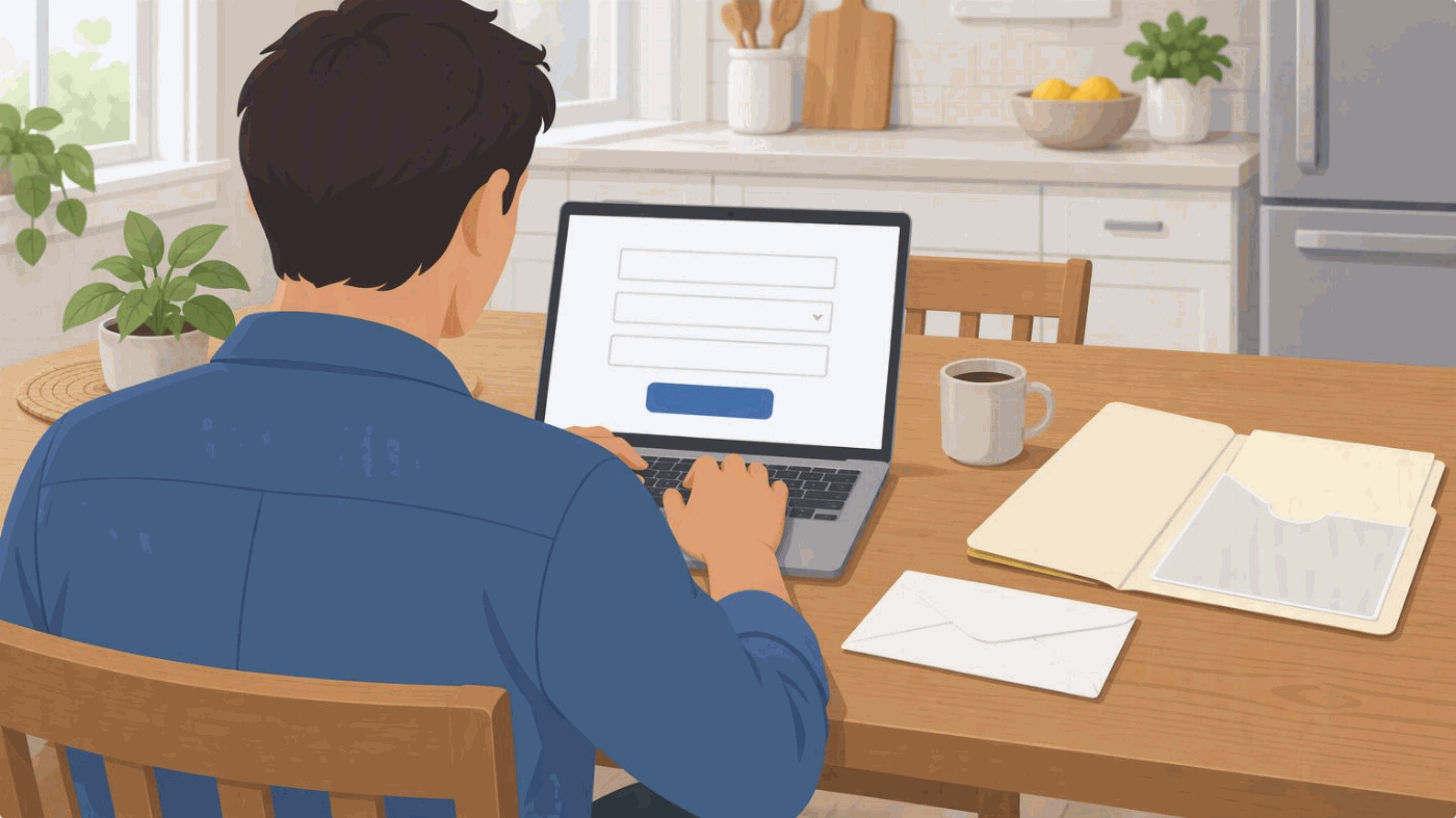
In Massachusetts, government and law-enforcement offices handle the officer’s Police Crash Report; your insurer doesn’t automatically receive it. For your insurer, send the driver-filed Motor Vehicle Crash Operator Report; Holden’s municipal Accident Assistance guidance distinguishes it from the officer’s report. For the officer’s report, insurers are directed to ask police.
Keep the separate route of the driver-filed Motor Vehicle Crash Operator Report distinct from what happens to a police report after a car accident in your file. On each copy, the title tells you which report you’re holding.
How to request the officer’s report
After the Massachusetts Registry of Motor Vehicles receives and processes the police report, request a standard or certified copy through the RMV if you were involved in the crash. Save the request confirmation, adding the report copy to it when it arrives. Keep the request marked pending until then.
What the state crash system contains
State Police and local Massachusetts police agencies submit their police reports to the Massachusetts RMV Crash Program. Access to its crash data system is for permitted users, not anyone browsing an unrestricted public portal. Follow the RMV’s individual report-request instructions to get a copy of your own.
Step 3: File the driver’s required crash report
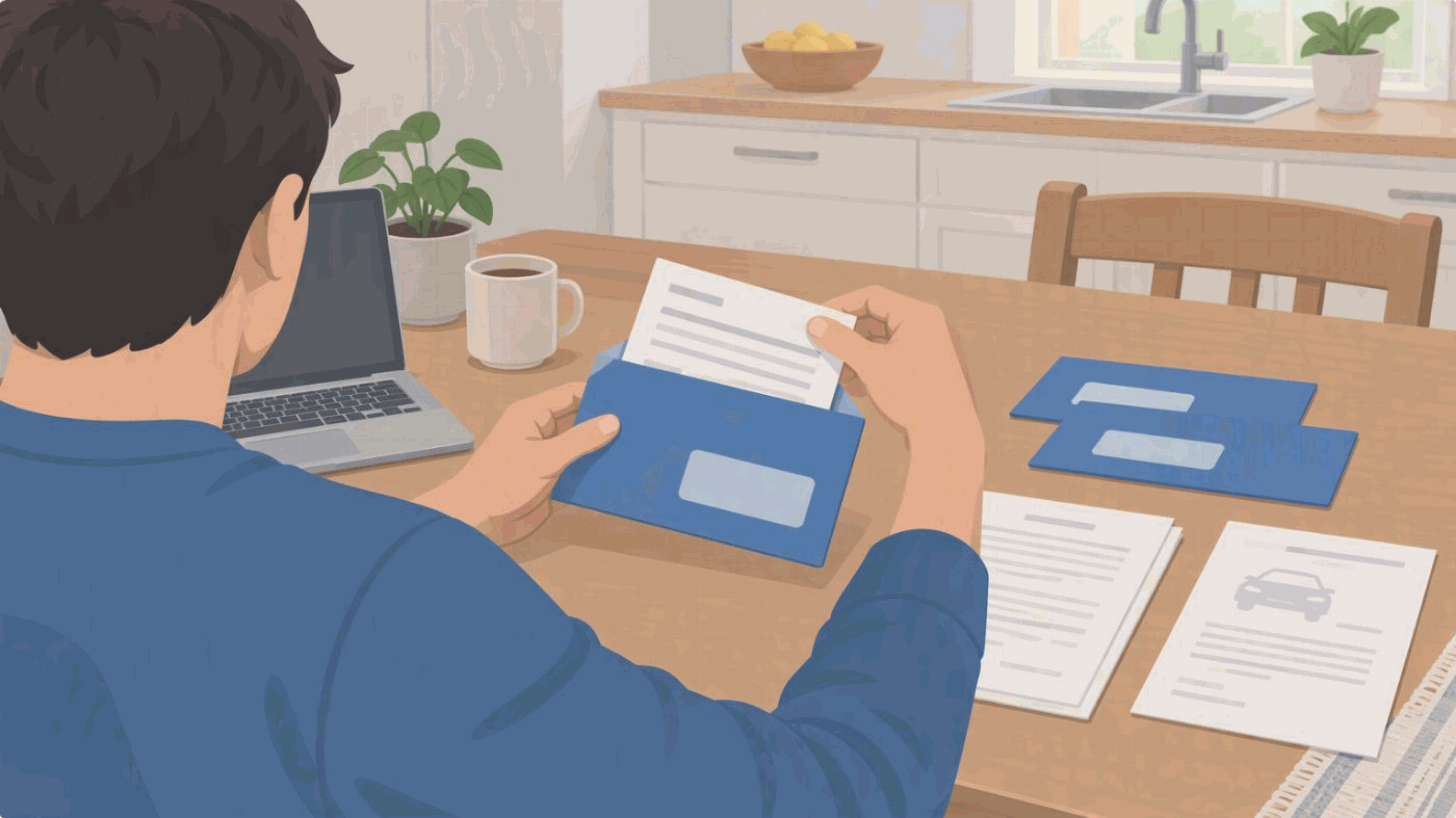
A written Motor Vehicle Crash Operator Report is due within five days under Massachusetts General Laws Chapter 90, Section 26 if the crash causes death or injury or damage exceeding $1,000 to any one vehicle or other property. Apply that threshold to each damaged item, without combining damage across everything involved. Use repair documentation rather than a roadside guess. Put any written repair estimate in with your paperwork.
Send the copies to the required destinations
Your insurance company and the RMV each need the operator report, and the Massachusetts RMV’s crash-reporting instructions also require a copy for the appropriate local police department or State Police. Before sending your copies, look up who gets them in those instructions.
Preserve proof of filing
Keep any available mailing receipt or delivery confirmation alongside a completed copy. For each submission, note what went out and to whom, including the date you sent it. The RMV’s Motor Vehicle Crash Operator Report form allows a filing-deadline exception for the person responsible when they’re physically incapable of filing.
Step 4: Build a working file for medical and insurance records

Notify your insurer after an accident as soon as possible; Massachusetts auto-insurance claims guidance advises doing that. Even though the insurer can get the police report itself, don’t wait for your copy.
In your correspondence log, each call or message gets a date with the caller’s or sender’s name. Give the subject a separate field where any promised follow-up also has room. If an adjuster says a letter will arrive next week, put that promise beside the call entry.
Step 5: Correct problems without obscuring the record
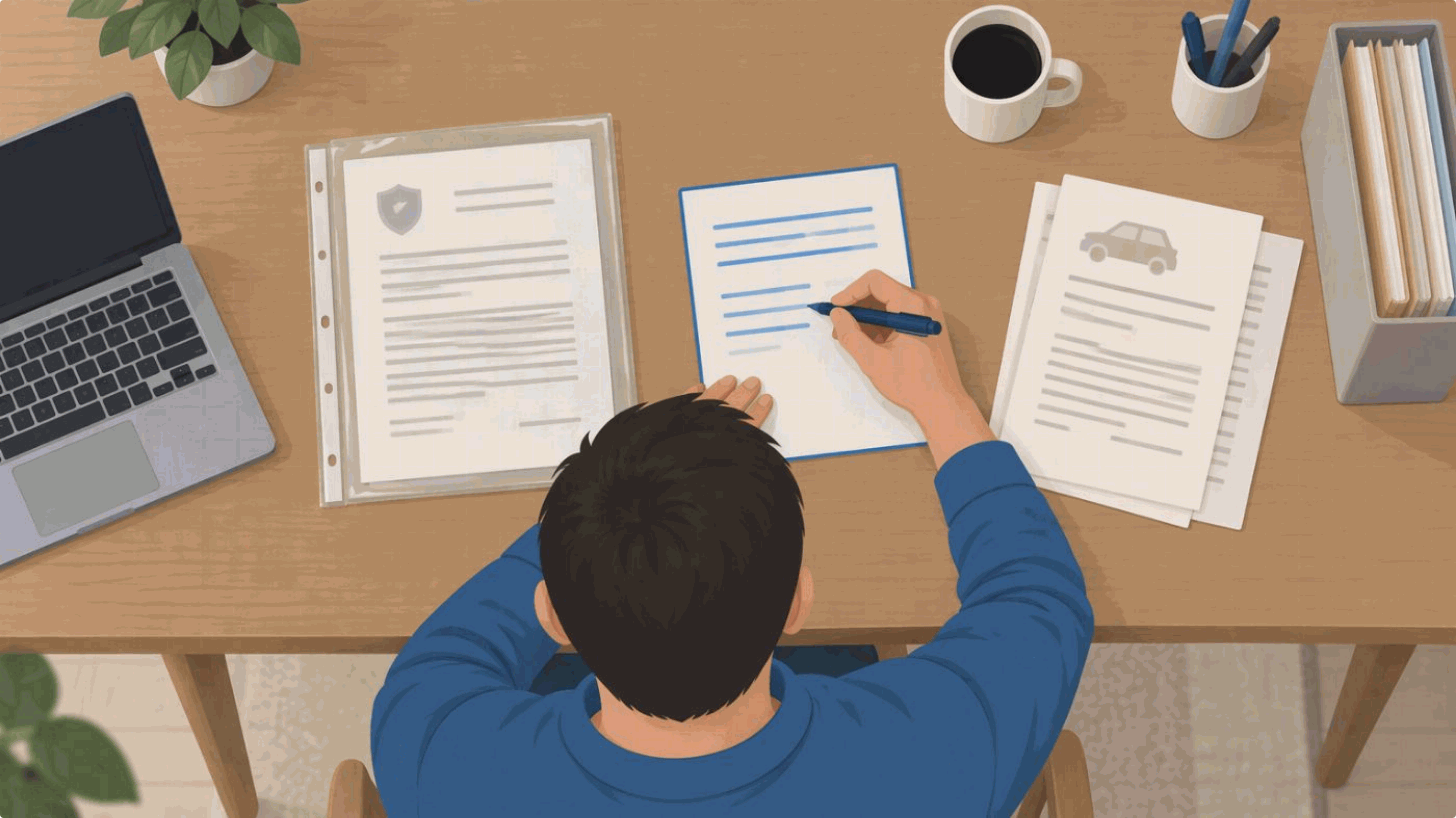
Preserve the version of the car accident police report you received, dealing with errors only afterward.
When the report contains the wrong details
Keep your edits off the official report. For each detail you dispute, make a separate note, then ask the agency that wrote the report how it handles corrections or supplemental reports. Use dated photographs or registration information to back up your request with objective records. Asking for a correction doesn’t guarantee the officer will change an opinion or conclusion in the report.
When the report is missing
After confirming who wrote the report, ask that agency whether it’s been filed and processed. Record each request with any report-status update you receive attached to that entry.
When another driver’s insurer calls
Record the company beside the caller’s name. If you can’t clearly recall a fact, don’t guess; ask for the claim number and callback details. For a recorded statement or signed authorization requested by the other driver’s insurer, consider seeking individualized legal advice before you agree. Get that advice before you accept a settlement, too.
A File You Can Actually Use
The officer’s account isn’t your required filing; keeping each document in the accident file lets you check what the paperwork actually says. When a bill arrives, you have the medical paperwork ready, with unanswered insurance questions still visible in the file. Forget a perfect narrative; you don’t need a prediction about fault either. Keep the current correspondence log at the front of one dated folder holding your report copy and filing receipt.